
Knowing exactly when to change tires determines whether an automotive workshop stops a safety risk in the bay or deals with it on the roadside. Waiting for rubber to hit the 2/32-inch legal minimum isn’t a safety strategy. It is the point of total failure where braking distances and structural integrity are compromised.
This guide provides a standard for bay inspections. We focus on the 4/32-inch safety threshold, 10-year DOT limits, and the specific wear patterns of high-torque EVs.
Standardizing Tread Depth for Road Safety
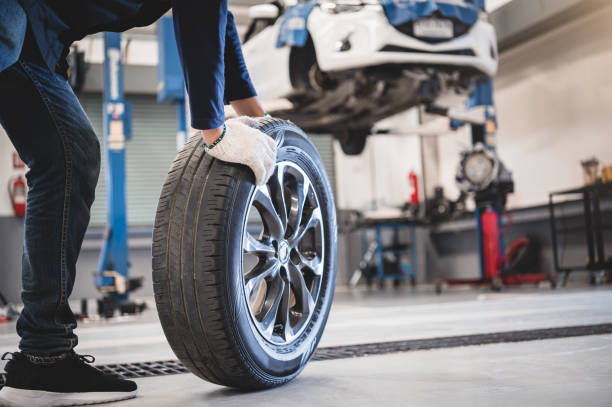
The U.S. legal minimum is 2/32 inch (1.6 mm). لكن, professional workshops must understand that this is the absolute red line, not a safe operating zone. Industry data shows that hydroplaning resistance and wet-braking performance degrade exponentially as tread depth falls. Technicians should use digital depth gauges to verify that a tire meets these specific service requirements:
- Visual Indicators: Look for the “wear bars” flush with the tread surface. If these are even with the rubber, the tire is illegal and must be replaced immediately.
- Wet Traction (4/32″): This is the professional “sell-point” for safety. At this depth, tires still retain enough groove volume to clear water at highway speeds.
- Winter Driving (6/32″): In regions with snow and ice, tires lose their ability to “pack” snow and maintain grip once they wear past this point.
- Heavy SUV Hauling (8/32″): Heavy vehicles generate more heat in the casing. A deeper tread mass is required to dissipate this heat and handle maximum payloads safely.
How to Decide Between Repair and Replacement
Deciding whether to patch or retire a tire is a critical responsibility for any professional technician. Every inspection must involve dismounting the tire to check for internal liner damage. This includes “run-flat” bruising or heat separation that is invisible from the outside.
| Condition | Diagnostic Finding | Action Required |
|---|---|---|
| Center Puncture | Puncture size 1/4″ (6mm) or less | Repairable (Plug & Patch) |
| Side Puncture | Punctures in shoulder or sidewall | Replace (Flex Zone Failure) |
| Bulges or Bubbles | Layer separation from pothole | Replace (Structural Failure) |
| Exposed Cords | Visible steel or fabric belts | Replace (Safety Risk) |
| Used Tires | Unknown history or unseen damage | Replace (Liability Risk) |
Rules for Replacing Fewer than Four Tires
The ideal technical standard is to replace all four tires at once to ensure a matched set of traction. لكن, when customers opt for partial replacements, technicians must follow specific placement rules.
Always install new tires on the rear axle, even on front-wheel-drive cars. This is essential for maintaining stability. New tires on the rear help prevent the vehicle from fishtailing (oversteering) during emergency maneuvers on wet pavement.
Technicians must be extremely cautious with All-Wheel Drive (AWD) systems. Modern AWD drivetrains are highly sensitive to variations in tire diameter. If the tread depth difference exceeds 2/32″, it can create constant mechanical strain on the center differential. For these systems, a full set replacement is often the only way to avoid damage.
Tracking Tire Age with DOT Production Codes
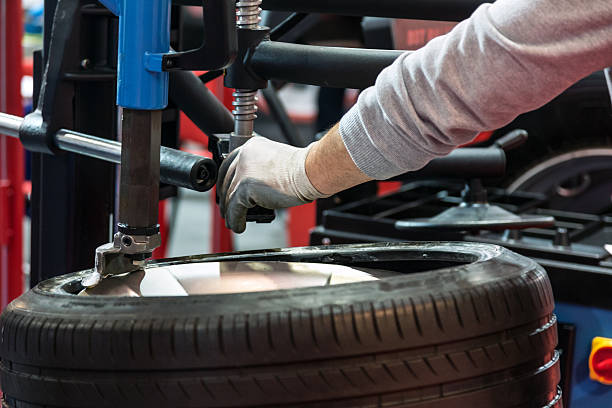
Tire rubber is a polymer that hardens and oxidizes over time. This process is accelerated by heat and UV exposure. Chemical aging means a tire can become unsafe long before the tread wears down. Technicians must locate and interpret the DOT code (the tire’s manufacture date) during every bay inspection:
- Identify the Manufacture Date: Focus on the last four digits. A code like “3526” confirms the tire was built in the 35th week of 2026.
- Spot Environmental Damage: Check for “Dry Rot” or fine cracking in the sidewall. If the rubber feels brittle or shows alligatoring, the chemical bonds have failed.
- Inspect the Spare: Spare tires often “age out” while sitting in the trunk. Major OEMs recommend retiring any tire after 10 years, regardless of appearance.
Tire Wear Challenges for EVs and SUVs
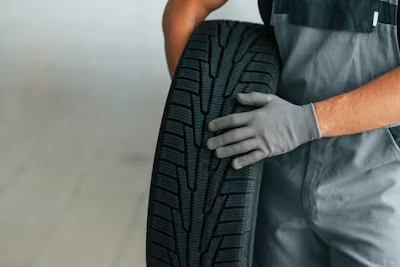
The rise of Electric Vehicles (EVs) has changed the tire replacement cycle. EVs deliver 100% of their torque instantly and carry significant battery weight. This places massive friction stress on the tread blocks.
On average, an EV tire will wear out 20% faster than its gas-powered equivalent. Technicians must ensure they install tires with the correct High Load (HL) rating. Standard tires lack the sidewall reinforcement needed to handle the static weight of a large EV battery pack.
Heavy SUVs also require proactive monitoring. Their high center of gravity makes traction loss at the 2/32″ limit significantly more dangerous. When servicing these vehicles, focus on “load management.” Recommend replacement as soon as the tire loses its ability to dissipate heat.
Keeping the Bay Safe and Compliant
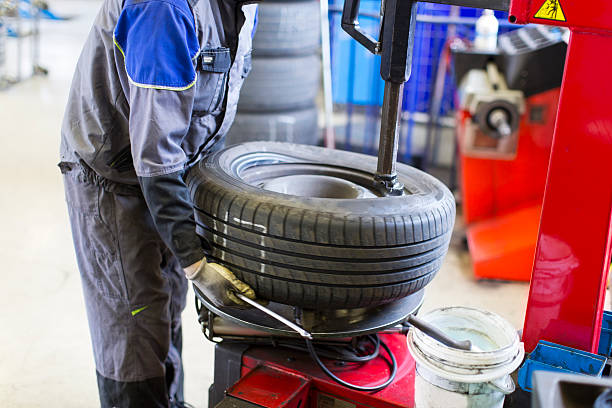
Sticking to basic shop safety rules protects the technician and minimizes liability. Every professional bay should enforce a strict documentation habit for all tire services:
- Recall Checks: Always check for active tire recalls via the NHTSA database. Free replacements are a standard manufacturer commitment for recalled rubber.
- Pressure Safety: Limit compressed air for seating beads to a maximum of 30 psi. This prevents structural damage and protects technicians.
- Torque Standards: Lug nuts must be tightened to vehicle-specific specs (typically 80-150 ft-lbs). Use a calibrated torque wrench to prevent wheel studs from snapping.
- 2026 Compliance: Partnering with professional suppliers ensures your equipment meets the current April 2026 safety standards.
Professional Solutions for High-Volume Tire Service
Meeting strict technical standards for modern fleet maintenance demands more than just skilled labor. It requires an equipment ecosystem that minimizes technician error. As a premier automotive service equipment supplier, جورانج delivers precision-engineered equipment built for workshop profitability.
By partnering with a professional equipment supplier, workshops gain access to an integrated platform. Our systems are manufactured under strict ISO 9001 protocols. This ensures that every tire changer provides the exact calibration needed for high-load SUV and EV tires.
All معدات جورانج is engineered to meet established 2026 international safety certifications. This complete bay integration supports a streamlined workflow that helps technicians handle high-volume demands with greater accuracy and speed.
Core Service Equipment
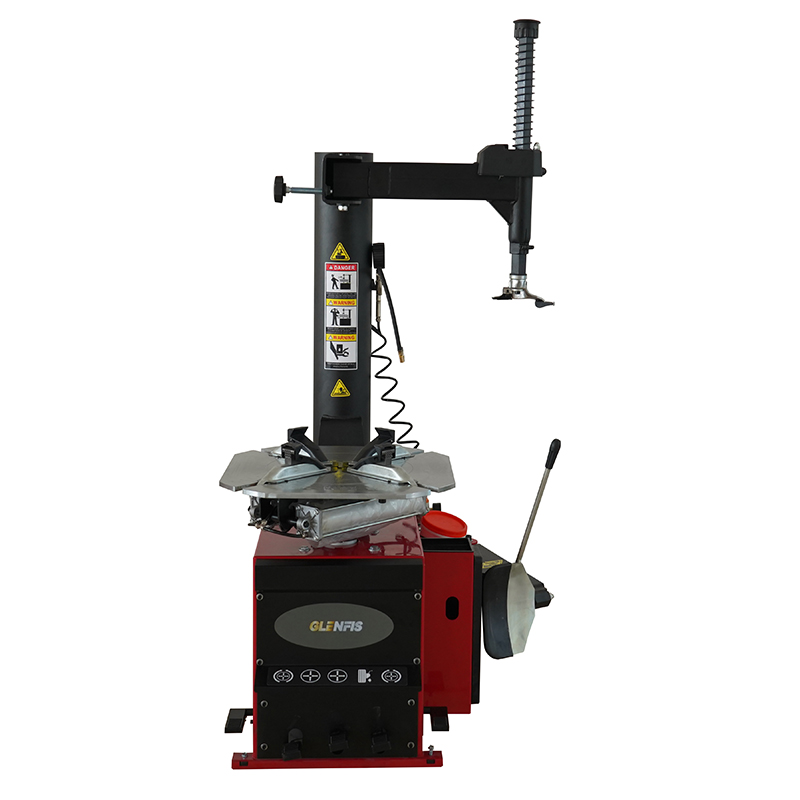
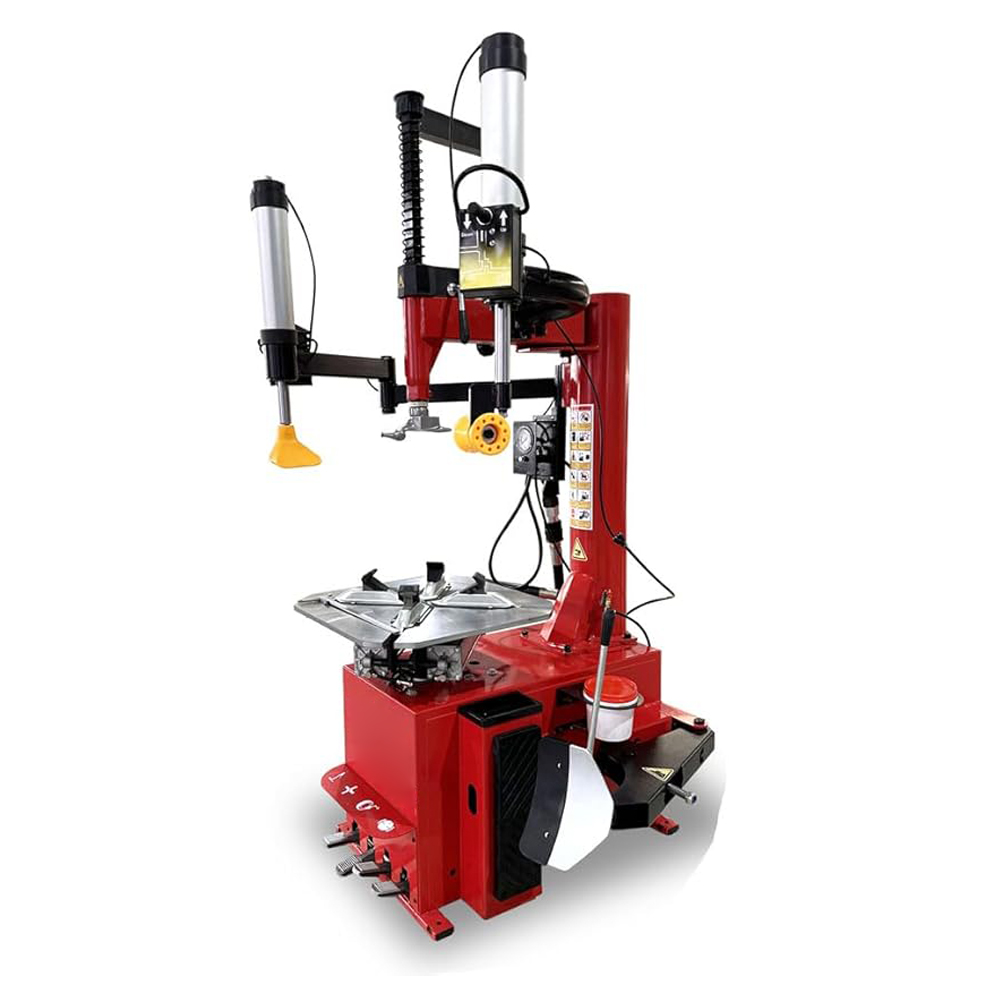
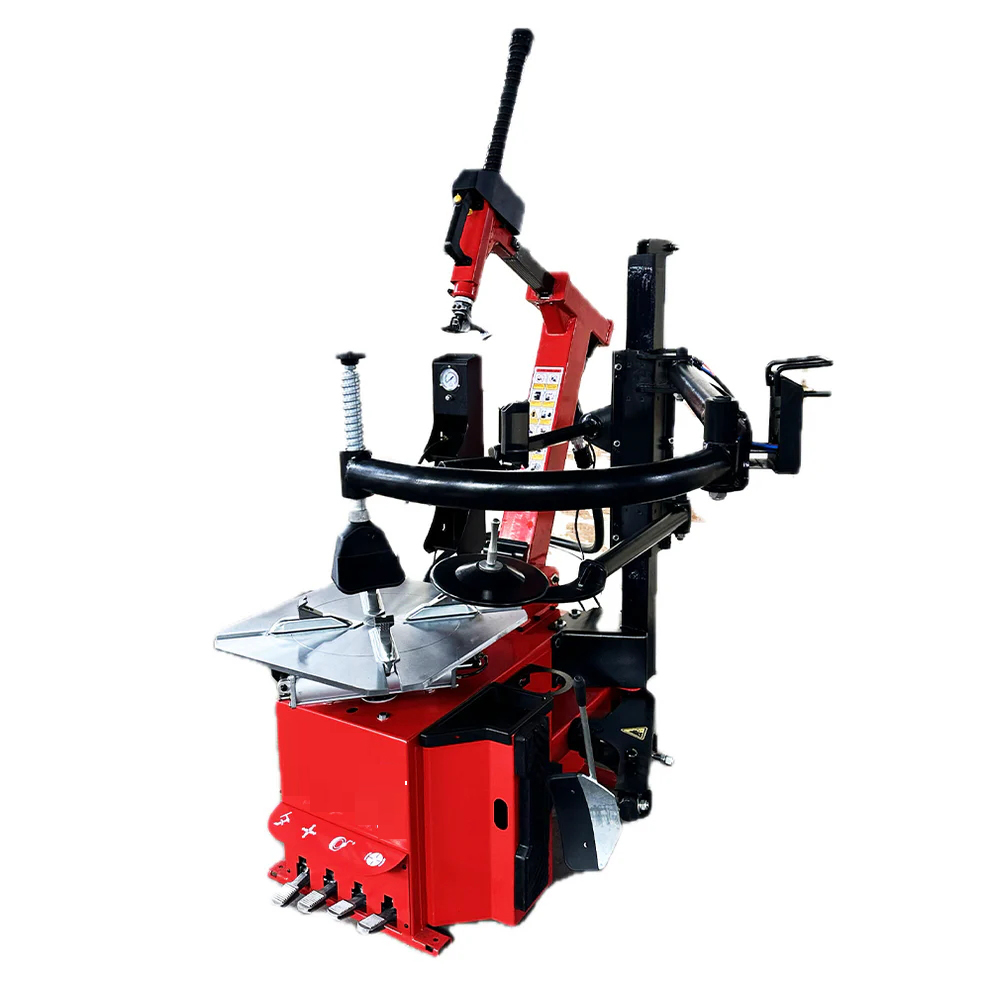
Explore the three high-performance tire changers engineered to anchor your shop’s efficiency and safety standards:
Ready to modernize your workshop operations?
👉Contact the Guorange team today to secure your equipment and boost your workshop‘s profit.
الأسئلة المتداولة
Is 40,000 miles a lot for tires?
While 40,000 miles is a standard rating for many all-season tires, it is a significant threshold for modern heavy vehicles. High-torque EVs and SUVs often reach the critical 4/32″ wear limit much sooner. Shops should prioritize physical safety inspections over mileage benchmarks.
How often should you change tires?
Most technical standards recommend a 6-year interval for replacement, with a hard 10-year limit regardless of tread depth. For a comprehensive look at service intervals and shop protocols, see our tire change frequency guide.
What are the tire changer machine types for passenger cars?
Modern bays typically use three primary tire changer machine types: ذراع التأرجح (Semi-Automatic) for standard efficiency, إمالة للخلف (Automatic) for high-volume speed, and Assist-Arm (Robotic) models for handling low-profile or run-flat tires without rim damage.
What are the operational risks of mounting EV tires on standard changers?
High Load (HL) EV tires have reinforced, stiff beads. Standard machines risk bead tearing or motor stall when handling these polymers. Professional bays must use high-torque equipment with robotic arms to seat these beads safely without slowing down the workflow.
How can workshops prevent rim damage when mounting low-profile tires?
Preventing rim damage is critical for avoiding shop liability on premium alloy wheels. Technicians should use plastic inserts on mounting heads and utilize advanced systems like the GF-T83 or GF-T85 robotic arm tire changers. This equipment keeps the bead in the drop center during the mount/demount process, eliminating the need for aggressive prying that causes scratches.


