
Tire balancing is one of those daily workshop jobs that directly affects how your customers feel the moment they drive out of your shop. When a wheel is even slightly off, you will often see complaints about vibration, unstable steering, or uneven tire wear. In a busy tire shop, getting this process right helps you deliver a smoother driving experience and fewer comeback issues, which is exactly what this guide will help you achieve.
What Is Tire Balancing and Why It Matters
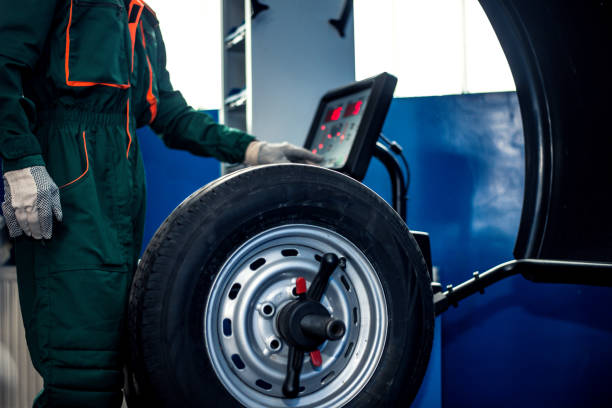
Weight distribution balance
Tire balancing means correcting uneven weight distribution in a wheel and tire assembly so it rotates smoothly. In real workshop conditions, no tire or rim is perfectly uniform. Small differences in rubber density, rim casting, and valve placement create imbalance. When the wheel spins at high speed, these small differences turn into vibration, which you or your customer can easily feel in the steering wheel or seat. Proper balancing ensures the wheel rotates evenly without creating unnecessary force on the vehicle.
Impact on driving comfort
When a tire is not balanced, driving comfort drops significantly. You may notice vibration at certain speeds, especially between 60 Und 120 km/h. This vibration can make long drives tiring and unstable. A properly balanced tire reduces this issue by keeping the rotation smooth and stable. As a result, the driver experiences better steering control, less fatigue, and improved confidence while driving at highway speeds or during long trips.
Long-term mechanical protection
Unbalanced tires do not only affect comfort; they also put stress on suspension parts, wheel bearings, and steering components. Im Laufe der Zeit, this extra stress leads to faster wear and higher maintenance costs. By ensuring proper tire balance, you help your customers avoid unnecessary damage to other vehicle systems. This is why balancing is always recommended whenever new tires are installed or vibration issues appear.
Signs Your Tires Need Balancing
Steering wheel vibration
If your customer complains about steering wheel vibration, especially at medium or high speed, this is one of the clearest signs of tire imbalance. The vibration usually becomes stronger as the speed increases. As a technician, you should not ignore this symptom or confuse it with alignment issues. In most cases, a quick balancing test can confirm whether the problem comes from uneven wheel weight distribution.
Unstable driving behavior
Another common sign is when the vehicle feels slightly unstable or inconsistent on straight roads. The driver may feel that the car is not rolling smoothly, even though the road conditions are normal. This happens because uneven wheel rotation creates small disruptions in movement. Im Laufe der Zeit, this can make driving feel less controlled, especially on highways or during long-distance travel.
Uneven tire wear patterns
You should also check the tire tread condition carefully. If you notice patchy wear, cupping, or uneven tread surfaces, it often indicates long-term imbalance. This type of wear develops gradually, so the customer may not notice it early. Jedoch, as a technician, you can identify it during inspection. Early detection helps prevent premature tire replacement and improves customer trust in your service.
Maximize Profit With Factory-Direct Auto Equipment
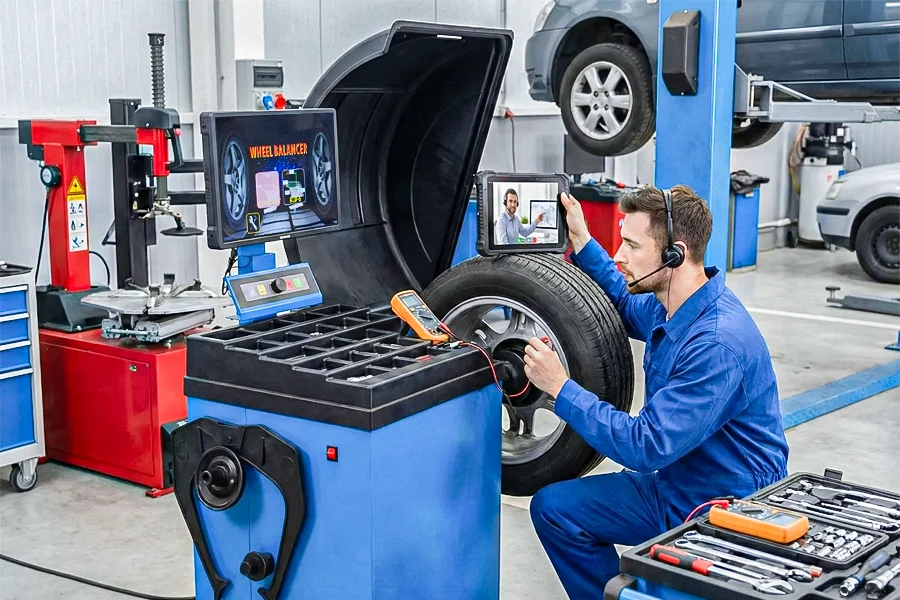
Tools and Equipment for Professional Tire Balancing
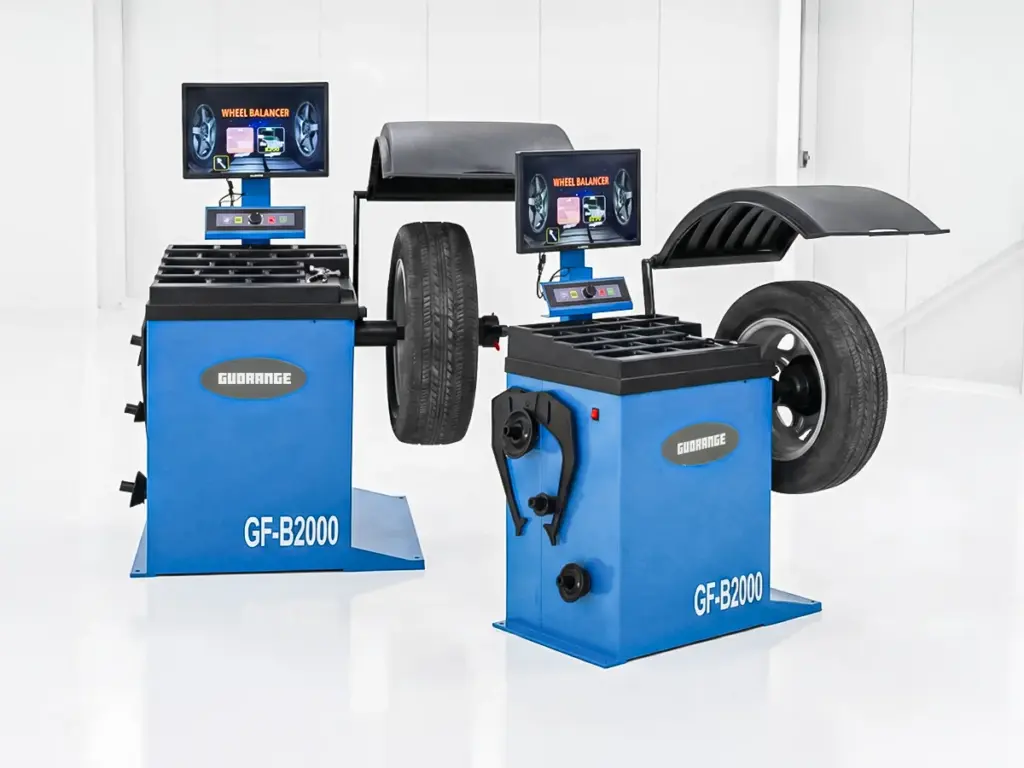
Wheel balancer machine
Der wheel balancer is the most important machine in the entire process. It measures imbalance and calculates exactly where corrective weights should be placed. When you use a modern digital balancer, the process becomes faster, more accurate, and easier to repeat consistently. Jedoch, accuracy depends not only on the machine but also on correct setup and calibration, so regular maintenance is essential in a busy workshop environment.
Tire mounting and preparation tools
Before balancing, you need proper supporting tools such as a tire changer machine, an air compressor, and cleaning tools. These tools ensure that the wheel is mounted safely and correctly. If the tire is not properly installed or the rim is dirty, even a high-end balancer cannot produce accurate results. That is why preparation is just as important as the balancing process itself in real workshop operations.
Balancing weights and accessories
Balancing weights are small but essential components used to correct an imbalance. Depending on the rim type, you will use either clip-on weights or adhesive weights. As a technician, you need to choose the correct type and place it precisely according to machine instructions. Poor placement or wrong weight selection can lead to repeated balancing work and customer dissatisfaction.
How to Balance Tires Step by Step
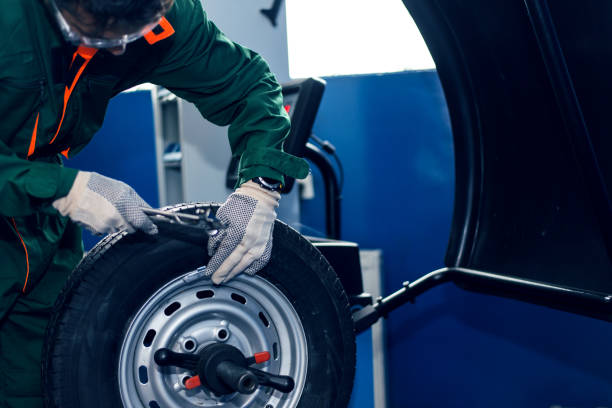
Step 1: Wheel inspection
Before starting, you should carefully inspect the wheel and tire for damage, dirt, or old weights. Any remaining material on the rim can affect measurement accuracy. This step helps you avoid incorrect readings later in the process and ensures the balancing result is reliable from the beginning.
Step 2: Clean and mount the wheel
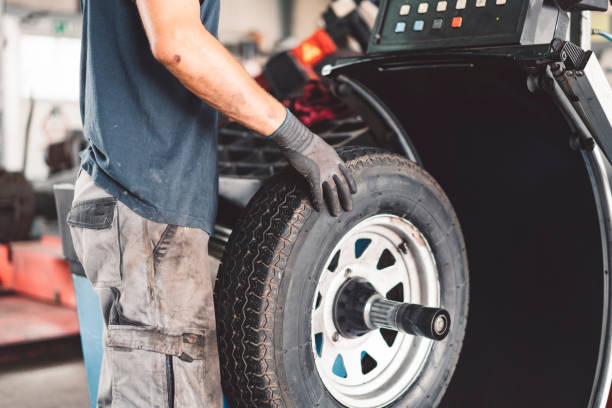
Clean the rim surface thoroughly, then mount the wheel tightly on the balancer shaft. If the wheel is not fixed properly, even a small misalignment can create incorrect data. You should always double-check that the wheel is stable before running the machine to avoid unnecessary rework.
Step 3: Input wheel parameters
Enter the correct wheel data, such as rim diameter, width, and offset, into the machine system. Some modern machines offer automatic measurement, but manual checking is still important. If the input data is wrong, the machine will calculate incorrect weight positions, which leads to inaccurate balancing results.
Step 4: Run balancing test
Start the machine and allow the wheel to spin at the required speed. The system will detect an imbalance and display precise weight placement positions. During this step, you should avoid interrupting the machine and allow it to complete a full measurement cycle for accurate results.
Step 5: Apply and recheck
Attach the recommended weights exactly where the machine indicates. After installation, run the test again to confirm balance accuracy. If the machine shows zero or near-zero imbalance, the wheel is properly balanced and ready for installation on the vehicle.
Common Mistakes and Professional Tips
Improper setup and mounting
One of the most frequent mistakes in workshops is incorrect wheel mounting on the balancer. If the wheel is not centered properly, the machine will produce false readings. This leads to incorrect weight placement and customer complaints. You should always ensure the wheel is tightly secured before starting any test cycle.
Skipping machine calibration
Many workshops forget regular calibration, especially during busy periods. Jedoch, even small calibration errors can accumulate over time and reduce accuracy. You should follow a maintenance schedule and calibrate your machine regularly to ensure consistent results. This is especially important if your workshop handles a high volume of vehicles every day.
Rushing during peak hours
When workload increases, technicians often try to speed up the process by skipping cleaning or rushing weight placement. This usually leads to repeat work and longer total service time. A consistent workflow is more efficient than rushing. Taking a few extra minutes for proper setup will always reduce problems later.
FAQs About Tire Balancing
How often should you balance tires?
You should balance tires every 8,000–10,000 km or whenever new tires are installed. If you or your customer notices vibration while driving, it is better to check immediately rather than waiting for scheduled maintenance.
Can unbalanced tires damage a vehicle?
Ja, long-term imbalance can damage suspension components, wheel bearings, and reduce tire lifespan. It also increases vibration, which affects driving comfort and safety over time.
How long does tire balancing take?
In a professional workshop, one wheel usually takes around 5–10 minutes, depending on equipment quality and technician experience. With an efficient workflow, all four wheels can be completed quickly.
Is balancing needed after tire rotation?
Ja, it is recommended. Tire rotation changes wheel positions, and even small differences can affect balance. Rechecking ensures stable performance and a consistent driving feel.
Letzte Gedanken
Tire balancing is a simple but essential process that directly affects vehicle safety, comfort, and tire lifespan. When you follow a correct procedure and use properly calibrated equipment, you can achieve stable and accurate results every time. For workshops, consistency is more important than speed because it reduces rework and improves customer trust.
Bei Guorange, we support professional tire service operations by providing reliable and practical equipment designed for real workshop conditions. If your goal is to improve service efficiency and reduce customer complaints, focusing on accurate tire balancing is one of the most effective steps you can take.
👉 Contact us to upgrade your workshop workflow with Guorange tire service equipment and deliver more precise balancing results in every job.


