
A tire changing machine directly affects workshop efficiency, Servicequalität, and long-term operating costs. In 2026, workshops are handling a wider range of vehicles than ever before, from low-profile passenger tires to large SUV and EV wheel assemblies. Choosing the wrong machine can slow down workflow, damage expensive rims, and increase technician fatigue.
For workshop owners, the best tire changer is not simply the most expensive model. It is the machine that matches your daily workload, Fahrzeugtypen, verfügbaren Platz, and business growth plans. This guide explains the key factors that matter when selecting a tire changing machine for modern automotive service operations.
Identify Your Workshop’s Daily Volume and Vehicle Specialization
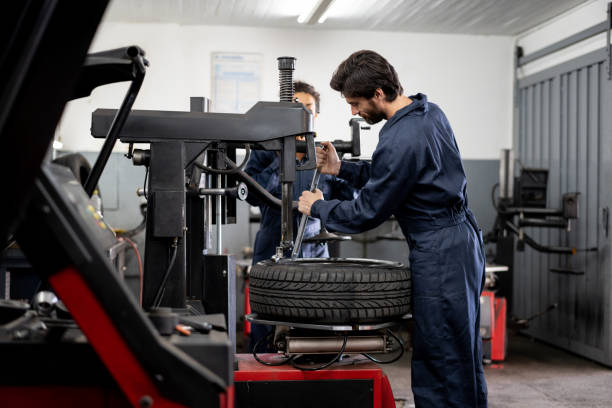
Before comparing specifications, first evaluate how your workshop actually operates. Tire service demands are very different between a small repair garage and a high-volume tire center.
A workshop handling fewer than 15 tire changes per day usually does not require a fully automatic or heavy-duty system. A reliable swing arm or semi-automatic tire changer is often enough for standard passenger vehicles.
Jedoch, workshops processing 40 Zu 60 tires daily need faster clamping systems, stronger bead breakers, and better automation to reduce labor time. In these environments, even saving one minute per wheel can significantly improve daily throughput.
Vehicle specialization is equally important. Different vehicles create different equipment requirements:
| Workshop Type | Recommended Machine Features |
|---|---|
| Passenger car workshop | Standard clamping range and basic automation |
| SUV and pickup service center | Strong bead breaker and larger rim capacity |
| Luxury vehicle workshop | Leverless operation and rim protection system |
| EV-focused workshop | High torque support and low-damage tire handling |
Modern EVs especially require careful handling because larger wheel sizes and heavier tire assemblies place more stress on traditional equipment. Machines designed for standard sedans may struggle with repeated EV servicing.
Choosing equipment based on your real business model prevents underinvestment and avoids paying for functions your workshop may never use.
Learn the Main Types of Tire Changing Machines
Different tire changing machines are designed for different workshop sizes, tire applications, and operating demands. Before evaluating automation levels or advanced features, you should first understand the core differences between the most common tire changer structures used in modern automotive service environments.
Swing Arm Tire Changers
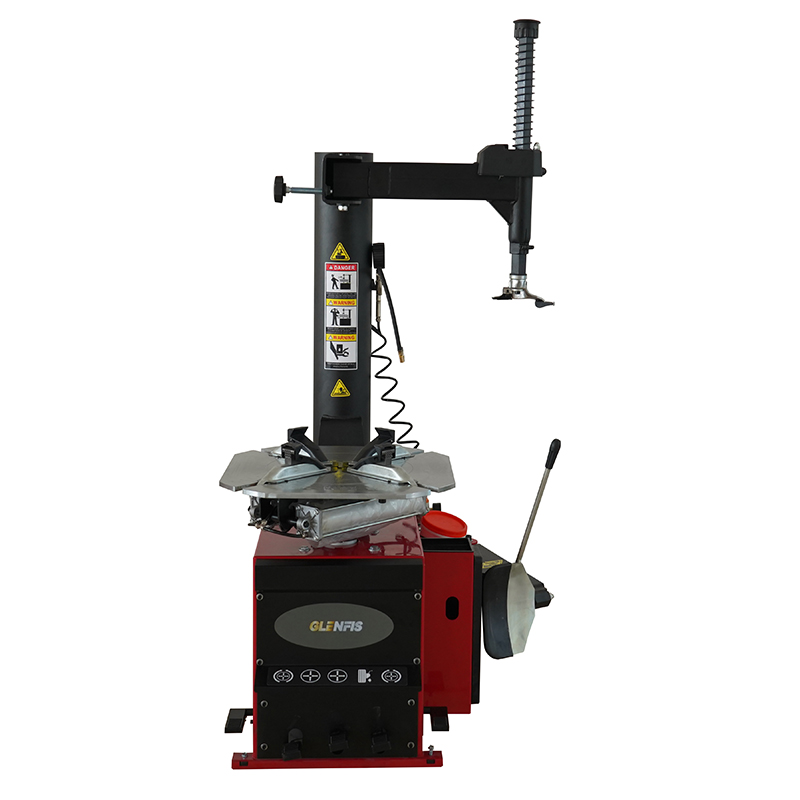
Swing arm tire changers are one of the most widely used options in small and medium-sized workshops because of their simple structure and cost-effective operation. The mounting arm manually swings to the side during wheel loading, making the machine relatively easy to operate and maintain. These models are mainly used for standard passenger vehicles and light SUV tire service, where extremely high automation is not necessary.
Key characteristics include:
- Lower Investment: These machines provide an affordable solution for workshops with limited equipment budgets.
- Simple Structure: The mechanical design is easier to maintain and suitable for daily repair operations.
- Compact Footprint: Smaller machine dimensions help save workspace in compact service areas.
- Standard Applications: They perform well for regular passenger car and light SUV tire servicing.
- Basic Efficiency: They are suitable for workshops with low to moderate daily tire volume.
Tilt-Back Tire Changers
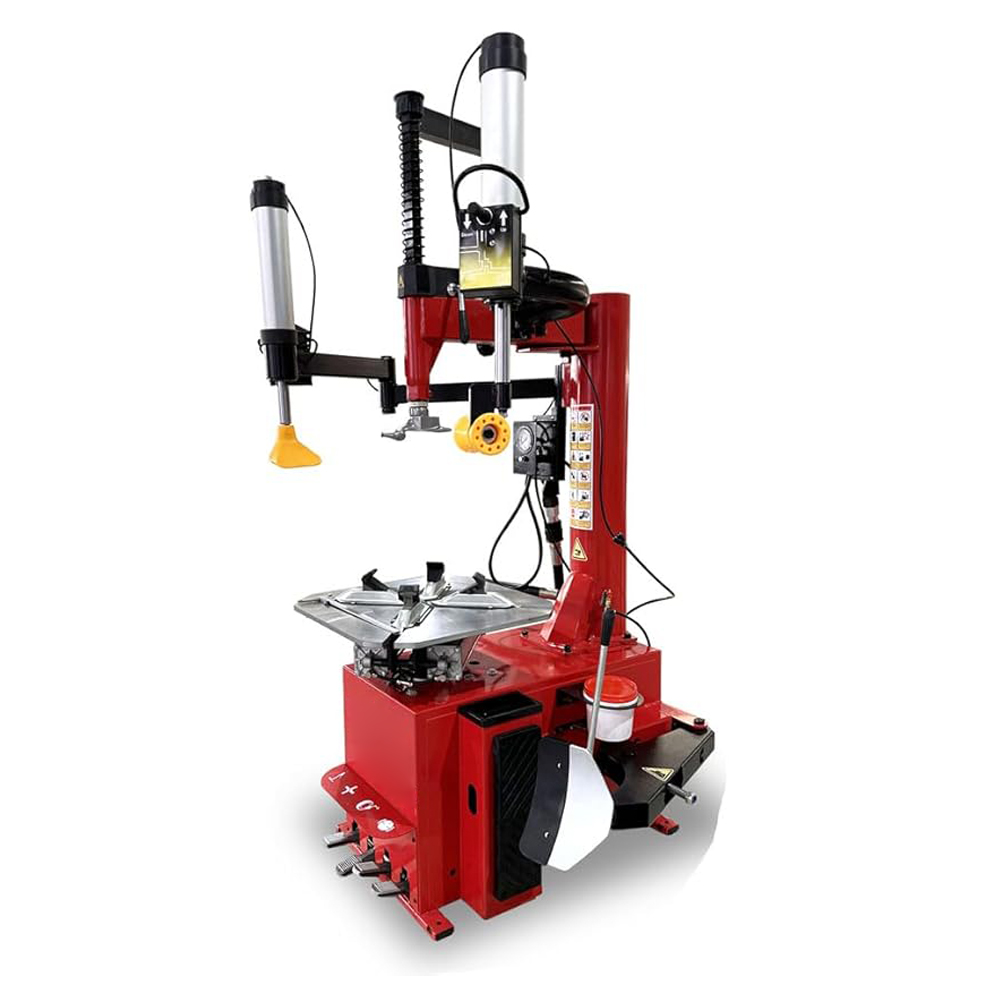
Tilt-back tire changers use a pneumatic system that automatically moves the mounting column backward during operation. This design creates more open working space around the wheel and improves workflow efficiency compared with traditional swing arm models. Many growing tire shops choose tilt-back machines because they offer better operating comfort and support for larger wheel sizes.
Key characteristics include:
- Faster Workflow: Automatic column movement improves wheel positioning and operating speed.
- Better Accessibility: The open working area makes wider and larger wheels easier to handle.
- Improved Comfort: Reduced manual movement helps technicians work more efficiently during busy periods.
- Wider Compatibility: These machines support a broader range of modern wheel and tire sizes.
- Helper Arm Support: Many models can be equipped with assist systems for low-profile tire applications.
Leverless Tire Changers
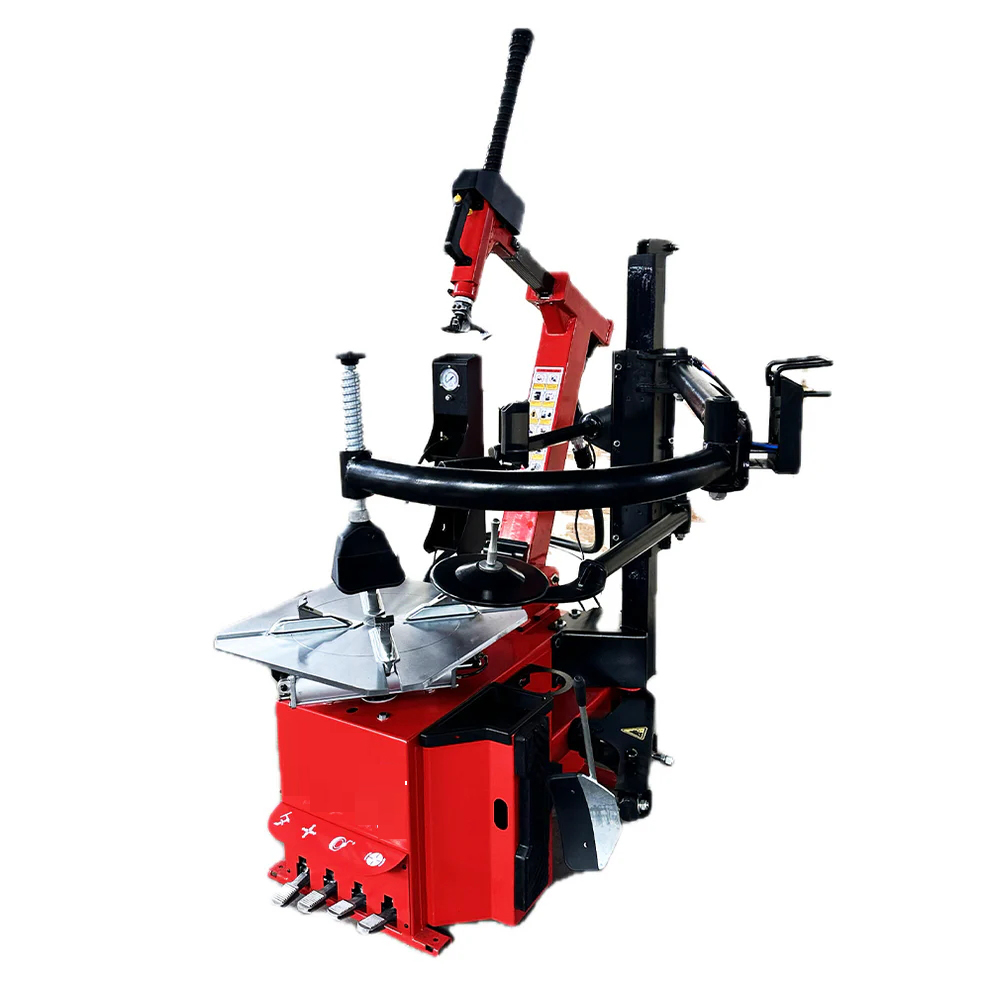
Leverless tire changers are designed for workshops servicing premium wheels, luxury vehicles, and advanced tire applications. Instead of traditional tire levers, these machines use specialized assist systems to control tire mounting and demounting with minimal direct rim contact. Leverless designs are especially valuable for handling low-profile tires, run-flat tires, and large EV wheel assemblies where wheel protection and operating precision are critical.
Key characteristics include:
- Rim Protection: Controlled tool movement helps reduce scratches and damage to alloy wheels.
- Low-Profile Support: Advanced assist systems improve handling of stiff sidewall tire structures.
- Run-Flat Capability: These machines manage difficult tire mounting and removal more efficiently.
- EV Compatibility: Enhanced wheel support helps service larger and heavier electric vehicle wheels.
- Professional Efficiency: Higher automation improves operational consistency and reduces technician fatigue.
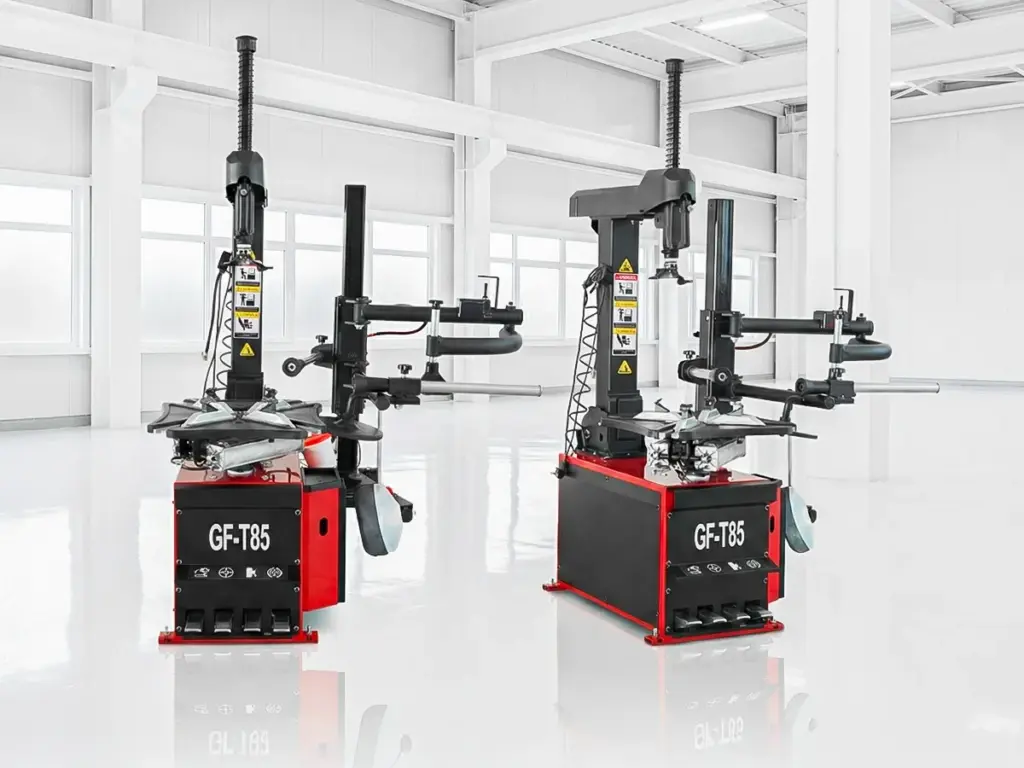
Recommended Guorange Model
Explore the three high-performance tire changers engineered to anchor your shop’s efficiency and safety standards:
Decide How Much Automation Your Workshop Really Needs
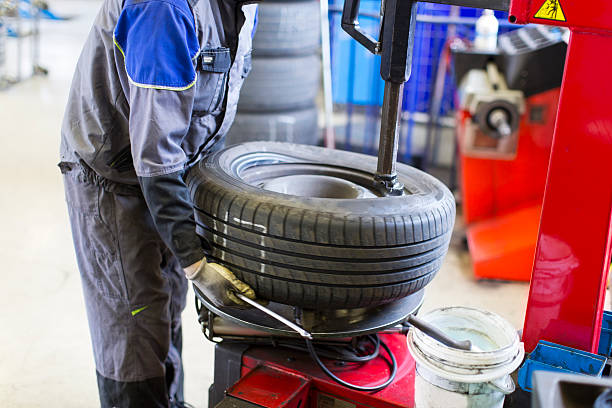
The right automation level depends on your workshop’s daily tire volume, technician workload, and the types of vehicles you service most often. Higher automation can improve operating speed and reduce physical labor, but not every workshop needs a fully automatic system. When choosing a tire changer, you should focus on balancing efficiency, operating comfort, and long-term investment value based on your actual workflow rather than simply choosing the highest automation level available.
Semi-Automatic Tire Changers
Semi-automatic tire changers are widely used in independent garages and smaller repair workshops because they provide reliable daily performance at a lower investment cost. These machines still require some manual positioning and operation from technicians, but they are usually more than sufficient for standard passenger vehicle tire service. If your workshop mainly handles regular sedans and light SUVs with moderate daily tire volume, a semi-automatic machine can provide practical efficiency without creating unnecessary equipment expenses or maintenance complexity.
Fully Automatic Tire Changers
Fully automatic tire changers are designed for workshops that require faster service turnaround and higher operating efficiency. These machines use pneumatic or electronic assist systems to automate wheel positioning, clamping, and tire handling processes, helping technicians work more consistently during busy operating periods. If your workshop handles high daily tire volume or frequently services larger wheels and low-profile tires, fully automatic systems can significantly reduce technician fatigue while improving workflow stability and productivity.
Tire Changers with Assist Systems
Assist systems are especially valuable for workshops servicing low-profile tires, run-flat tires, and modern SUV or EV wheel assemblies. These systems help stabilize the tire bead during mounting and demounting, making difficult tire applications easier and safer to handle. Many workshops see assist systems as one of the most practical upgrades because they improve tire handling efficiency and wheel protection without requiring a complete transition to premium fully automatic equipment.
Maximize ROI With Premium Tire Changers
Key Features That Improve Tire Changing Efficiency
Clamping Capacity
Modern vehicles continue using larger wheel sizes, especially SUVs, EVs, and performance cars. A tire changer with limited clamping capacity may quickly become outdated as customer vehicle demands change. If your workshop regularly services larger alloy wheels, choosing a machine with a wider clamping range helps improve long-term equipment flexibility and reduces the need for early upgrades.
Bead Breaker Performance
Low-profile and run-flat tires require much stronger bead-breaking force than traditional passenger tires. Weak bead breaker systems often slow down operation and increase physical strain on technicians during busy service periods. A high-performance bead breaker helps your workshop handle modern tire structures more efficiently while improving workflow consistency across different vehicle types and wheel sizes.
Rim Protection Design
Wheel damage is one of the most common concerns during tire service, especially when working with premium alloy wheels or luxury vehicles. Features such as nylon mounting heads, protective clamps, and controlled tool movement help reduce direct metal contact with the rim. For workshops focused on customer satisfaction and professional service quality, strong rim protection systems are increasingly important in daily operation.
Inflation and Air Control Systems
Stable air control systems help technicians complete tire installation more safely and efficiently. Functions such as pedal-controlled inflation, pressure monitoring, and tubeless tire seating assistance improve workflow during high-volume operating periods. If your workshop handles a wide range of tire sizes and applications, reliable air management can help reduce service interruptions and improve overall operating consistency.
Make Sure the Machine Fits Your Workshop Space and Power Setup
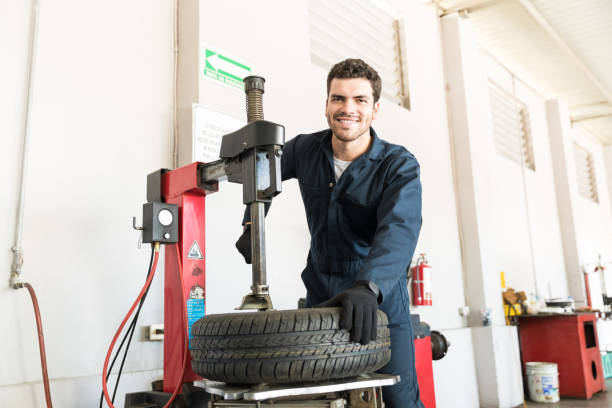
Even a high-performance tire changer can reduce efficiency if it does not fit properly within your workshop environment. Before purchasing equipment, you should evaluate available floor space, air supply capacity, electrical requirements, and technician workflow. A machine that matches your workshop layout will help improve daily operation, reduce unnecessary movement, and create a more organized service area.
Floor Space Requirements
Different tire changers require different amounts of operating space, especially fully automatic models with larger moving components. Before selecting a machine, measure not only the installation area but also the working clearance needed around the equipment. If your workshop has limited space, a compact machine with efficient arm movement can help maintain a smoother workflow between tire service bays and wheel balancing stations.
Air Compressor Compatibility
Most tire changing machines rely heavily on compressed air for clamping, bead breaking, and assist system operation. Insufficient air pressure can reduce operating performance and create inconsistent machine movement during tire service. Before installation, make sure your workshop compressor system can provide stable pressure and airflow that match the machine’s technical requirements during continuous daily use.
Electrical Power Requirements
Modern tire changers may require different voltage configurations depending on their automation level and operating systems. Workshops should confirm electrical compatibility before purchasing equipment to avoid installation delays or unexpected upgrade costs. A stable electrical supply is especially important for fully automatic machines that use integrated pneumatic and electronic control systems during high-frequency operation.
Workshop Workflow Layout
The position of your tire changer directly affects technician movement and overall service efficiency. A well-planned workshop layout should allow easy access to wheel balancers, air systems, tool storage, and tire racks without creating unnecessary walking distance. When equipment is positioned correctly, technicians can complete tire service faster while maintaining a safer and more organized working environment.
Compare Tire Changer Options Based on Your Workshop Type
Different workshops have completely different service focuses, daily workloads, and customer expectations, meaning the best tire changer is never a one-size-fits-all solution. When comparing options, you must align your equipment with your workshop type, typical vehicle mix, and expected service volume. This ensures you invest in machinery that supports your real-world business needs instead of overspending on unnecessary automation or underestimating future demand bottlenecks.
Small Independent Garages
Small independent garages usually focus on general automotive repair, brake services, and standard passenger tire replacements with low to moderate daily volumes. In this environment, cost efficiency, a compact footprint, and ease of use are far more important than complex automation. A reliable swing-arm or basic semi-automatic tire changer is often ideal, handling daily operations seamlessly without increasing maintenance overhead or equipment complexity.
- Typical Volume: 5 Zu 20 tires/day
- Recommended Technology: Semi-Automatic Swing-Arm Rim-Clamp Changer
- Key Features to Look For: 110V/220V power compatibility, rigid tabletop clamping, and horizontal-pivot space-saving designs for tight bays.
Medium Tire Service Centers
Medium-sized tire shops and regional repair centers typically handle a steady volume of passenger cars, SUVs, and seasonal tire changeovers. This throughput requires optimized workflow efficiency and faster cycle times to maintain daily profitability. Upgrading to a pneumatic tilt-back design provides the perfect balance between high productivity and reasonable investment costs. If your workshop experiences peak seasonal demand, additional assist features can significantly reduce technician fatigue and stabilize service output.
- Typical Volume: 20 Zu 50 tires/day
- Recommended Technology: Pneumatic Tilt-Back Automatic Tire Changer
- Key Features to Look For: Dual pneumatic assist arms (helper rollers and drop-center tools), external clamping up to 24″, and integrated bead-blaster inflation jets.
Luxury and EV Specialized Workshops
Luxury vehicle and EV-focused workshops deal with high-asset-value wheels, larger rim diameters, and ultra-stiff, low-profile, or Run-Flat tires that demand extreme precision. Furthermore, the massive influx of Electric Vehicles (EVs) introduces heavy wheel assemblies and specialized foam-lined EV tires with extremely stiff sidewalls. In this zero-damage-tolerance environment, advanced leverless tire changers equipped with full assist systems are the gold standard. They completely eliminate traditional pry bars, reducing expensive rim damage claims and establishing high customer trust.
- Typical Volume: 15 Zu 40 high-value tires/day
- Recommended Technology: Berührungslos / Leverless Center-Post Tire Changer
- Key Features to Look For: Center-post hub clamping (eliminates jaw-to-rim contact), non-marring polymer contact surfaces, reverse-mount wheel adapters, and camera-tracked tool heads.
Fleet and Commercial Workshops
Fleet and commercial workshops focus on high-frequency, heavy-duty servicing of delivery vans, corporate fleets, leichte Lkw, or massive commercial assets like semi-trucks, buses, and OTR agricultural machinery. Here, rugged durability and structural leverage are paramount. These operations rely on robust semi-automatic or fully automatic tire changers backed by ultra-powerful bead breaker systems. If your facility services heavy commercial assemblies, specialized hydraulic systems with stable, long-term performance take precedence over complex electronics.
- Typical Volume: Variable (Heavy-duty or high-frequency fleet cycles)
- Recommended Technology: Heavy-Duty Hydraulic 4-Jaw Chuck Changer
- Key Features to Look For: Self-centering hydraulic chuck jaws, portable remote control pendants (for technician safety during bead seating), and integrated heavy-duty hydraulic lifting ramps.
Why Partner with Guorange for Specialized Automotive Solutions

Partnering with Guorange means working with a professional automotive equipment supplier that thoroughly understands the operational realities of modern tire shops. Instead of offering generic, one-size-fits-all machinery, Guorange focuses on application-driven solutions tailored to your specific daily workload, Fahrzeugmix, and workshop layout.
Whether your facility services standard passenger cars, high-volume commercial fleets, or next-generation EV and high-performance vehicles, our equipment is engineered to thrive under real-world workshop conditions while maximizing throughput and minimizing the total cost of ownership (TCO).
Engineered for Rigorous Duty Cycles and Wheel Protection
Guorange tire changing machines are built from the ground up for industrial-grade durability and high-precision execution under continuous operation.
- Heavy-Duty Construction: Featuring reinforced structural steel frames and high-torque industrial drive systems, our machines deliver stable, flex-free operation even when breaking the beads of stiff, oversized tires.
- Zero-Damage Rim Protection: Integrated with advanced pneumatic assist systems, non-marring polymer tool heads, and precision clamping mechanics, Guorange equipment dramatically reduces technician fatigue while protecting high-value alloy wheels, low-profile tires, and complex run-flat assemblies from cosmetic or structural damage.
Comprehensive Workflow Integration and Global Support
At Guorange, our commitment to your shop’s success extends far beyond the initial equipment supply. We view ourselves as your long-term operational partner, ensuring your service bays run at peak efficiency year after year.
- Turnkey Bay Layout Guidance: We help you optimize your workshop footprint, ensuring seamless equipment integration between your Guorange tire changers and wheel balancers to eliminate workflow bottlenecks.
- Technical and Operational Empowerment: We provide comprehensive operator training documentation and maintenance guidance, allowing your technicians to utilize advanced automation features safely and efficiently.
- Reliable Spare Parts Logistics: To minimize costly shop downtime, Guorange maintains a robust, highly accessible inventory of critical spare parts and wear items, backed by responsive technical support ready to assist your business globally.
By aligning robust manufacturing standards with dedicated after-sales engineering support, Guorange empowers your workshop to build a faster, safer, and more profitable tire service operation.
Letzte Gedanken
The tire changer you install has a direct impact on how smoothly your workshop operates every day. A lower-cost machine may seem practical at first, but it can quickly become a bottleneck once your workload grows or you start handling more complex tires. When your equipment truly matches your service volume and vehicle types, it becomes easier to keep jobs moving, reduce delays, and avoid unnecessary wheel damage. Im Laufe der Zeit, this alignment supports better efficiency and stronger overall profitability.
To avoid costly mistakes, it is important not to select equipment based only on price or assumptions. At Guorange, we help workshops identify the most suitable tire changing solutions based on floor layout, automation needs, and service demand. By working with Guorange, you can choose application-matched equipment that supports scalable growth, improves workflow efficiency, and ensures your workshop is prepared for future vehicle trends.
👉Contact our team today to get expert recommendations and find the right tire changing machine for your workshop.


