
In today’s competitive automotive service market, repair shops are constantly looking for ways to increase profitability while delivering greater value to customers. One of the most effective yet often underestimated services is wheel alignment. While many vehicle owners primarily associate wheel alignment with steering correction or tire maintenance, for auto shops it represents a significant opportunity to generate revenue, improve customer retention, and expand service offerings.
This article explores how wheel alignment services can contribute to business growth and why they remain one of the most valuable services for modern automotive repair facilities.
Direct Revenue Generation
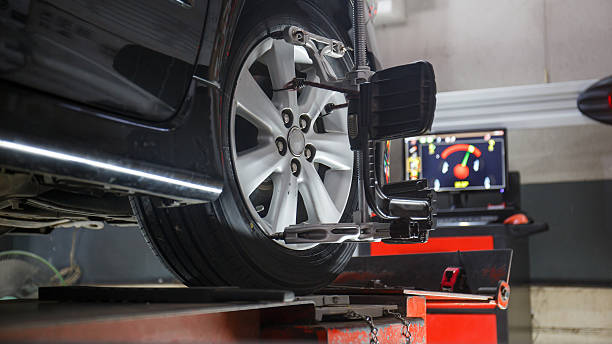
One of the most immediate benefits of offering wheel alignment services is the ability to generate direct revenue from every alignment performed. Unlike some repair procedures that depend on unexpected mechanical failures, wheel alignment is a preventive maintenance service that many vehicles require periodically throughout their lifespan.
Wheel Alignment as a Standalone Service
A professional wheel alignment service can be sold independently without requiring extensive additional repairs. Many customers visit workshops specifically because they notice symptoms such as uneven tire wear, steering wheel vibration, off-center steering, or vehicle pulling.
These issues often lead directly to a wheel alignment inspection and adjustment. Since alignment work can typically be completed efficiently using modern alignment equipment, workshops can generate revenue without tying up service bays for extended periods.
For many repair facilities, wheel alignment becomes a high-demand service that supports daily workflow and contributes consistent earnings throughout the year.
Growing Demand for Alignment Services
Vehicle manufacturers continue to design cars, SUV, and light trucks with increasingly sophisticated suspension systems. As a result, maintaining proper wheel geometry has become more important than ever.
Road conditions, potholes, curb impacts, suspension wear, and normal driving conditions can all affect alignment angles over time. Because these factors are unavoidable, there is ongoing demand for professional wheel alignment services.
This recurring need creates a reliable business opportunity for automotive workshops that invest in the proper equipment and technician training.
Equipment Investment Supports Revenue Growth
Modern alignment equipment allows technicians to perform wheel alignment procedures with greater accuracy and efficiency.
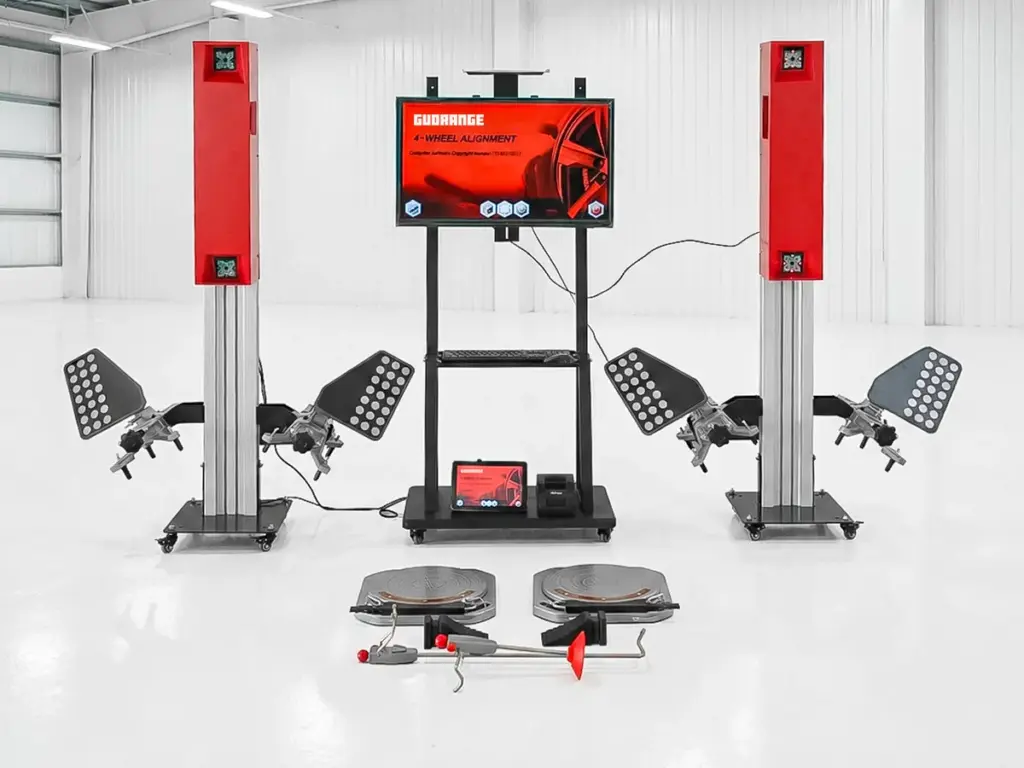
According to Guorange’s automotive equipment solutions, wheel alignment systems are designed to support professional workshops by helping technicians perform accurate vehicle measurements and adjustments. Reliable equipment enables shops to deliver consistent service quality, which can contribute to long-term business growth.
For many businesses, the ability to provide in-house wheel alignment services eliminates the need to outsource work and keeps revenue within the shop.
Increased Return Visits and Sales Frequency
While direct service revenue is important, the long-term value of wheel alignment extends beyond a single transaction. Alignment services create natural opportunities for customers to return to the workshop more frequently.
Wheel Alignment Encourages Preventive Maintenance
Many vehicle owners do not think about wheel alignment until a noticeable problem develops. Sin embargo, workshops that educate customers about alignment maintenance can encourage more proactive service behavior.
When alignment inspections become part of routine maintenance schedules, customers have a reason to return periodically. These visits create ongoing engagement between the customer and the shop.
The higher the service frequency, the more situations that require additional maintenance will be discovered in future inspections.
Building Long-Term Service Relationships
Every wheel alignment appointment provides an opportunity to strengthen customer relationships.
Customers who receive accurate diagnoses, clear explanations, and quality service are more likely to trust the workshop with future vehicle maintenance. Over time, this trust becomes a significant business asset.
Instead of viewing wheel alignment as a one-time service, successful workshops treat it as an entry point into a broader long-term customer relationship.
Creating Consistent Workshop Traffic
One challenge many automotive businesses face is maintaining steady workshop traffic throughout the year.
Wheel alignment services help address this issue because alignment needs occur regularly across a wide range of vehicle types. Passenger cars, SUV, and light trucks all require periodic alignment inspections and adjustments.
As a result, alignment services can contribute to a more stable flow of customers and help reduce seasonal fluctuations in service demand.
Alineadores de ruedas 3D de alta precisión para un máximo retorno de la inversión
Upselling and Cross-Selling Opportunities
One of the strongest business advantages of offering wheel alignment services is the ability to identify additional repair and maintenance opportunities.
Because alignment procedures involve detailed inspection of steering and suspension components, technicians often discover related issues that require attention.
Suspension System Inspections
During a wheel alignment process, technicians frequently evaluate the condition of suspension components.
Worn ball joints, damaged control arms, deteriorated bushings, and other suspension issues can affect alignment accuracy. Identifying these problems allows workshops to recommend appropriate repairs that improve vehicle performance and safety.
This creates natural opportunities for additional service revenue while providing genuine value to customers.
Steering Component Evaluation
Accurate wheel alignment depends on the proper functioning of steering system components.
When technicians perform alignment inspections, they may identify worn tie rods, steering linkage issues, or other mechanical concerns. Addressing these problems often becomes necessary before alignment adjustments can be completed correctly.
As a result, wheel alignment services frequently lead to related steering system repairs that increase overall service value.
Tire Service Opportunities
Tire wear patterns provide important clues about alignment conditions.
When uneven tire wear is identified during a wheel alignment inspection, customers may require tire rotation, reemplazo de llantas, or additional tire maintenance services. These recommendations are directly related to the customer’s vehicle condition and can help extend tire life while improving driving performance.
For workshops that offer tire services, alignment appointments often become a valuable source of additional business.
Comprehensive Vehicle Care Packages
Many successful workshops integrate wheel alignment into broader maintenance packages.
Rather than selling alignment as an isolated service, they combine it with inspections, tire services, suspension evaluations, and preventive maintenance programs. This approach increases service value while creating additional revenue opportunities.
Customers often appreciate the convenience of addressing multiple vehicle needs during a single visit.
Improved Pricing and Profit Margins
Beyond generating additional service volume, wheel alignment can also contribute to improved profitability.
Many automotive services involve significant parts costs, which can reduce profit margins. Alignment services differ because a substantial portion of the value comes from technician expertise and equipment utilization.
Lower Dependence on Parts Inventory
Unlike many repair procedures, wheel alignment generally does not require extensive replacement parts.
This means a larger percentage of the service price can contribute directly toward labor recovery, equipment utilization, and overall profitability. Once alignment equipment is installed, each completed service helps maximize the return on that investment.
For many workshops, this makes wheel alignment an attractive profit-generating service category.
Efficient Service Delivery
Modern wheel alignment systems help technicians complete measurements and adjustments efficiently.
Accurate equipment reduces setup time and improves workflow consistency, allowing shops to service more vehicles throughout the day. Increased efficiency supports higher service capacity without necessarily requiring additional labor resources.
The ability to complete more work within existing operational capacity can have a meaningful impact on profitability.
Premium Service Positioning
Customers increasingly recognize the importance of proper wheel alignment for vehicle performance and tire longevity.
Workshops that invest in professional alignment equipment and skilled technicians can position alignment as a specialized service rather than a basic maintenance task. This perceived value often supports stronger pricing compared with more commoditized services.
Delivering measurable results helps justify professional service pricing while improving customer satisfaction.
Maximizing Equipment Utilization
Wheel alignment equipment represents a long-term capital investment.
The more frequently alignment systems are utilized, the faster the business can recover equipment costs and generate ongoing returns. Shops that actively promote wheel alignment services often achieve higher utilization rates and stronger equipment ROI.
A well-managed alignment program can therefore become a significant contributor to workshop profitability.
Long-Term Customer Value for Auto Shops
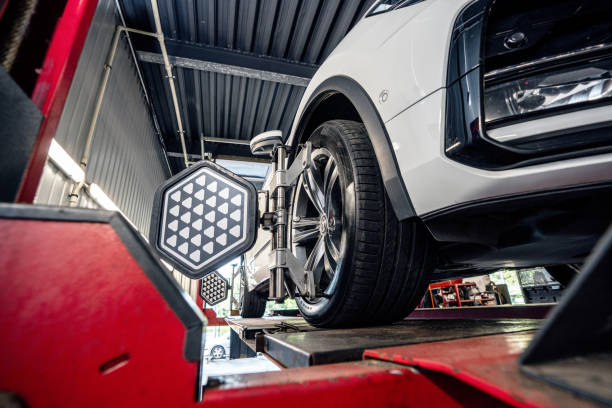
The true financial impact of wheel alignment extends beyond individual transactions. Its greatest value often lies in its ability to support long-term customer retention and lifetime customer value.
Establishing Trust Through Preventive Service
Wheel alignment is often recommended to prevent future problems rather than address immediate failures.
When customers see that alignment services help reduce tire wear, improve vehicle handling, and enhance driving comfort, they begin to view the workshop as a trusted advisor rather than simply a repair provider.
This trust increases the likelihood of repeat business and long-term customer loyalty.
Encouraging Full-Service Vehicle Maintenance
Customers who return for regular wheel alignment inspections often become candidates for additional maintenance services.
Over time, these customers may rely on the same workshop for tire replacement, brake service, reparaciones de suspensión, oil changes, and other maintenance needs. The cumulative value of these services can far exceed the revenue generated by the original alignment appointment.
For many workshops, alignment serves as a gateway to broader customer engagement.
Strengthening Customer Retention
Retaining existing customers is often more cost-effective than acquiring new ones.
Because wheel alignment is a recurring maintenance requirement, it provides ongoing opportunities for customer interaction. Each visit reinforces the relationship between the customer and the workshop.
Consistent service experiences help improve retention rates and reduce customer turnover.
Supporting Business Reputation
Satisfied customers frequently share positive experiences with friends, family members, and colleagues.
When a workshop consistently delivers high-quality wheel alignment services, it can strengthen its reputation within the local market. Positive word-of-mouth recommendations can contribute to new customer acquisition and further business growth.
In this way, wheel alignment becomes both a revenue generator and a marketing asset.
Pensamientos finales
For modern automotive repair businesses, wheel alignment is much more than a routine maintenance procedure. It is a valuable service that can generate direct revenue, increase customer return rates, create upselling opportunities, improve profit margins, and strengthen long-term customer relationships.
Whether you are expanding your service capabilities or upgrading existing equipment, choosing the right alignment solution can have a lasting impact on your business performance. Explore the professional workshop equipment available from naranja and connect with the team to find the right solution for your shop’s growth goals and long-term success.
Frequently Asked Questions
Is an alignment machine a good investment?
Yes. An alignment machine can be a valuable investment for auto shops because it generates direct service revenue, supports upselling opportunities, and helps keep alignment work in-house instead of outsourcing it.
How much profit does a wheel alignment make?
Profit varies by shop, labor rates, and equipment costs. In general, wheel alignment services can offer attractive margins because they typically require minimal replacement parts and rely mainly on technician expertise and equipment utilization.
How much does an alignment machine cost?
The cost of an alignment machine depends on its technology, features, and level of automation. Entry-level systems may cost several thousand dollars, while advanced professional alignment systems for high-volume workshops can cost significantly more.
How to sell more wheel alignments?
A simple way to increase wheel alignment sales is to include alignment inspections as part of routine maintenance visits, tire replacements, reparaciones de suspensión, and steering system checks. Educating customers about tire wear, fuel efficiency, and vehicle handling can also help increase demand.
What is the average time to do an alignment?
A standard wheel alignment typically takes between 30 and 60 minutes, depending on the vehicle condition, alignment type, and whether suspension or steering issues need to be corrected before adjustments are made.


