
For a dealer, distributor, or buyer ordering tire changers in volume, choosing the wrong manufacturer is not a single-machine problem. A weak supplier can put unverified machines in front of commercial workloads under your own brand, spread warranty and freight claims across a whole lot, and tie your margin to a partner you have not really tested. Before comparing prices, it helps to know which maker-level signals actually predict whether a supplier can hold up at volume.
This guide walks through how to audit a tire changer manufacturer as a supply partner: product range and depth, component and specification control, assembly and factory testing, quality records and traceability, localization and OEM options, wear-parts, spare-parts and warranty handling, and how to move from an approved sample to a frozen specification and a bulk inspection.
Does the Manufacturer Offer a Clear and Coherent Product Range?
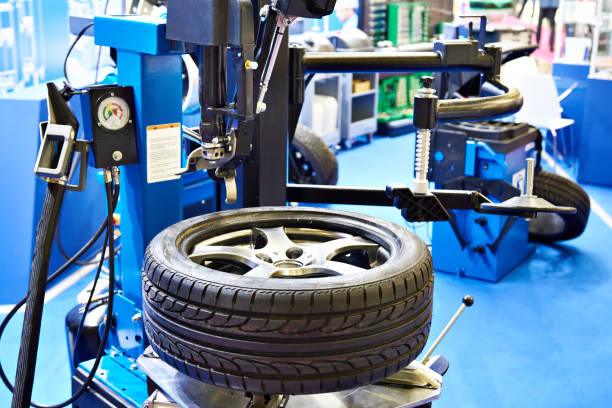
A coherent product range segments tire changers by machine type and vehicle application, offering a logical progression from entry-level to advanced models without confusing specification overlap.
Categorizing Machines by Type and Vehicle Application
A focused manufacturer structures its portfolio around mounting styles and the vehicles they service. Look for distinct product families separated by core mechanical design.
- Mounting styles: Separate product lines for swing-arm, tilt-back, leverless, and center-clamp machines.
- Vehicle applications: Dedicated equipment for passenger cars, motorcycles, mobile service setups, and heavy-duty commercial trucks.
Forcing one platform to cover every segment can compromise the machine. Dedicated product lines suggest the manufacturer understands the structural demands of different wheel types. For a closer look at how these families differ machine-by-machine, see our buyer’s guide to tire changer machine types for passenger cars; this article keeps its focus on qualifying the manufacturer behind the range.
Identifying Logical Feature Progression and Capability Tiers
An unclear catalog makes buyers guess the real differences between models. A professional range maps a transparent upgrade path from manual operation to higher-volume automation.
- Capability tiers: Visible steps from basic manual units to machines with assist arms and automated tooling.
- Clear naming conventions: Model identifiers that reflect the machine’s tier, architecture, and primary use case.
- Limited specification overlap: Distinct clamping and rim-diameter ranges so units can be compared directly.
Where specifications overlap heavily across families, positioning becomes hard to read. Distinct capacity bands indicate each model was engineered for a specific service level.
How Are Key Components and Specifications Controlled?
Manufacturers generally control tire changer specifications through engineering standards, defined material grades, and load testing so the equipment fits global wheel profiles and holds up in service.
Component Engineering and Dimensional Standards
Tire service equipment relies on geometric control to handle heavy loads safely. Engineers design clamping mechanisms and bead-breaker profiles to suit a range of rim sizes; the maximum tire diameter a machine supports depends on the model.
- Drive and torque control: Turntable drives, usually geared or hydraulic motors, are chosen to deliver controlled torque and smooth low-speed rotation, with bead-breaking force limited to reduce the risk of rim damage.
- Global compatibility: Design is commonly aligned to rim and tire standards maintained by bodies such as ETRTO and the Tire and Rim Association, so machines fit a wide range of wheel profiles.
Material Selection and Manufacturing Quality
Component durability starts with material choice. Builders generally specify structural steel or cast components for load-bearing frames, columns, and turntables, with plated or stainless fasteners and powder-coated or treated finishes for corrosion resistance. Pneumatic cylinders and moving tooling use grades suited to repeated pressure and wear.
- Machining tolerances: Production limits are set to hold concentricity and alignment for shafts, gears, and bearings.
- Component and life testing: Quality teams check durability on parts such as pneumatic valves, cylinders, and wear tooling, and verify electrical items like motor insulation against agreed safety benchmarks.
These controls matter because a tire changer is a safety-relevant machine: excessive clamping force can mark an alloy rim, while weak bead breaking pushes operators to improvise. Where a supplier cannot describe how a specification is set or measured, treat that figure as unconfirmed until it is backed by documentation.
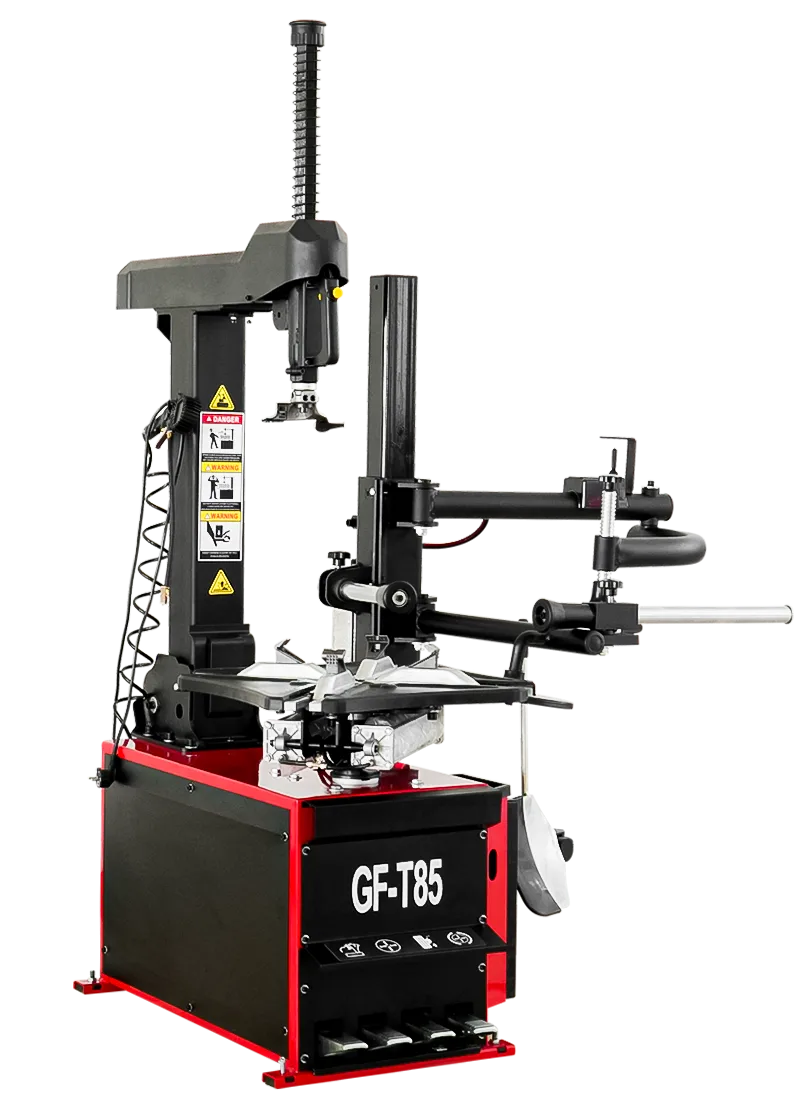
How Are Assembly and Factory Testing Controlled?
A capable manufacturer controls each phase from mechanical assembly to end-of-line functional testing, so each unit meets dimensional, pneumatic, and electrical safety standards before shipping.
Core Assembly Processes for Tire Changers
Building a reliable tire changer requires integrating structural, pneumatic, and electrical systems. Production floors usually split this into sub-assembly stages.
- Mechanical structures: Cast, machine, cut, and join the main frames, turntables, and assist arms.
- Pneumatic systems: Route and pressure-test air lines, fit an air-preparation unit such as a filter and regulator, and seal fittings, valves, and cylinders so the bead-breaker and clamping circuits hold pressure without leaks.
- Electrical controls: Wire the drive motors, control electronics, and pedal interfaces to standardized schematics and color-coded cables.
- Sub-assembly integration: Align turntable drives, lubricate linkages, and set bead-breaker clearances to finish the build.
Testing and Quality Control Procedures
A machine that handles pressurized tires and heavy wheels is generally verified before it ships. Testing typically runs from mid-assembly through end-of-line packaging.
- In-process checks: Verify dimensional accuracy, fastener torque, and component orientation at several build stages.
- Final mechanical safety: Confirm machine guarding, label placement, and smooth manual operation before powering up.
- End-of-line functional tests: Evaluate turntable rotation, clamping synchronization, and air leakage under full operating pressure.
- Electrical validation: Run ground-continuity and insulation-resistance checks so the unit suits regional power standards.
What Quality Records and Traceability Should Be Available?
Under applicable EU machinery requirements, manufacturers keep a Technical File for a set period and link serial numbers to production batches, which supports defect response and traceability across the machine’s life.
Core Quality Records for Manufacturing and Compliance
A credible manufacturer keeps a documented trail of compliance and testing. This paperwork shows the machine meets regulatory demands and performs reliably in a commercial shop.
- Technical files: Keep design specifications, risk assessments, and test results for the retention period required under the applicable EU machinery regulation.
- Process parameter tracking: Log actual factory values such as tightening torques and welding data, and retain tooling approvals for critical stress points like turntable assemblies.
- Inspection and calibration logs: Record functional safety checks for components such as emergency stops and interlocks, and keep current calibration certificates for production measuring devices.
Product Identification and Lifecycle Traceability
You want a clear line of sight from the factory floor to the service bay. Strong traceability makes it easier to isolate supply-chain defects and manage product liability.
- Machine marking: Mark each unit with durable details such as the manufacturer’s name, CE marking where applicable, construction year, and a serial number that links the machine to its records.
- Batch-level tracing: Link the bill of materials to batch identifiers so a faulty component can be traced from a supplier lot to the finished units.
- Lifecycle mapping: Map each serial number to its installation site, maintenance history, and any field incidents to support safety follow-up over the machine’s life.
What Localization and OEM Options Can Be Provided?
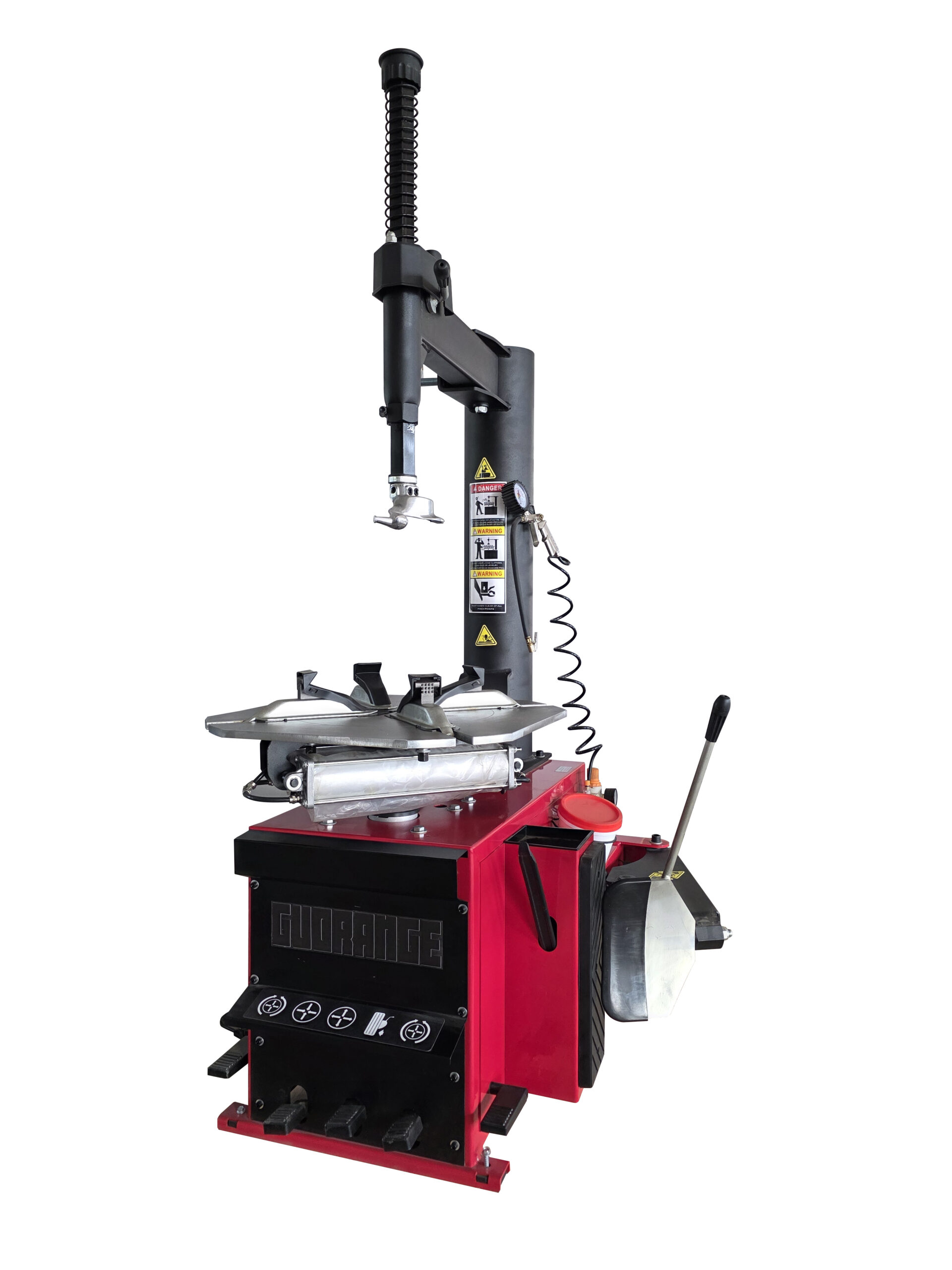
OEM and ODM services can adapt tire changers to regional markets through visual branding, language localization, electrical configuration, and market-specific compliance adjustments.
Standard Branding and Packaging Customization
Basic localization aligns the equipment with a distributor’s brand and regional language needs. This supports brand ownership without redesigning the core machine.
- Visual branding: Customize the machine body with specific colors, private labels, and brand-aligned decals.
- Language translation: Translate manuals, software interfaces, and safety stickers into the target-market language.
- Packaging design: Adjust cartons, inserts, and accessory packs to fit local retail and distribution channels.
Technical Adaptations and Market Compliance
Beyond visual changes, manufacturers can make structural and electrical modifications so the machine operates safely and legally in the destination country.
- Electrical configuration: Adapt voltage and frequency to match regional power standards.
- Regulatory compliance: Adjust hardware and shipping documentation to meet destination-market certifications and import rules.
- ODM capability: Custom control layouts, option sets, or structural changes may be available depending on production capacity and order volume.
For distributors and brands, the practical test is how far customization can go without destabilizing the core design. Confirm which changes are routine, which affect compliance markings, and which require a new engineering review, since each carries a different impact on lead time and unit cost.
How Are Wear Parts, Spare Parts, and Warranty Claims Managed?
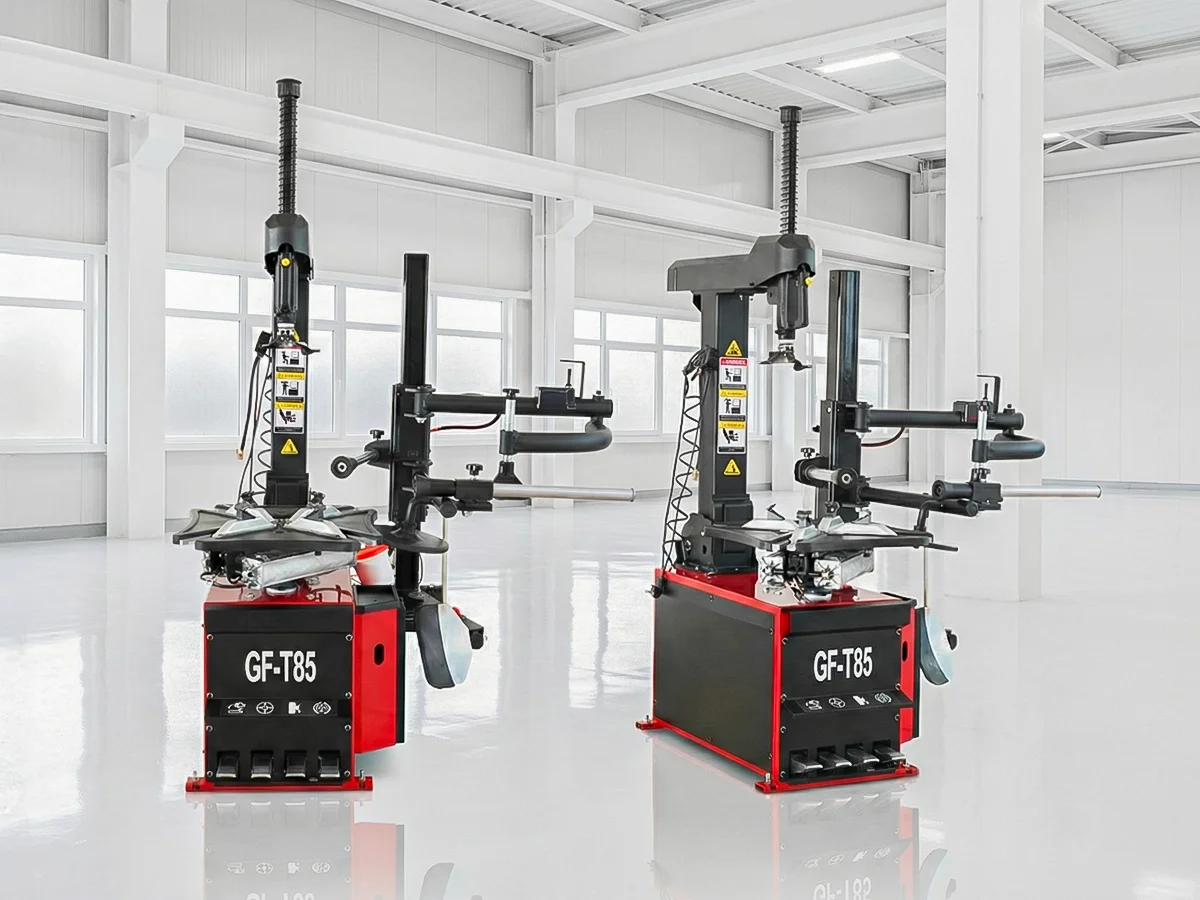
Manufacturers typically separate expected consumables from long-term spare parts and handle warranty claims as a defined, parts-based defect process rather than open-ended support.
Categorizing Wear Items vs. Spare Parts
Manufacturers generally categorize components by expected service life to manage replacements and warranty expectations.
| Part Type | Typical Examples | Usual Warranty Handling |
|---|---|---|
| Wear parts | Plastic mount heads, jaw protectors, belts, hoses | Often excluded as consumables, unless a short coverage term is agreed |
| Spare parts | Electric motors, gearboxes, hydraulic cylinders | Usually a separate replacement warranty, as set out in the supplier’s terms |
To keep shops running, dealers and service centers often stock consumable wear kits against predictable replacement cycles to reduce downtime.
Navigating the Warranty Claim Process
Warranty claims usually follow a defined defect-management workflow. Customers typically start by providing the equipment serial number, purchase invoice, and a failure description to an authorized distributor.
Technicians inspect the failed components to confirm a manufacturing or material defect, ruling out standard exclusions such as:
- Misuse: Operating the machine incorrectly or unsafely.
- Overloading: Exceeding the rated capacity of the equipment.
- Improper installation: Setting up the machine outside the specified guidelines.
- Normal wear and tear: Degradation on expected consumables.
When a claim is approved, the supplier provides the necessary replacement parts. Resolution is often parts-based, so confirm in advance who covers labor, on-site service time, and freight.
What Should You Verify with a Sample or Factory Audit?
Sample verification checks product-level conformity, while a factory audit confirms whether the supplier can reliably produce compliant tire changers at scale.
| Verification Target | Sample Inspection Focus | Factory Audit Focus |
|---|---|---|
| Mechanical & Structural | Dimensions, weld quality, clamp operation | Machinery ownership, production capacity |
| Quality & Consistency | Functional cycle testing, leak checks | QMS protocols, incoming material checks |
| Compliance & Safety | Guards, e-stops, regulatory markings | Business licenses, certifications, PPE |
Verifying Tire Changer Product Samples
When evaluating a sample, confirm the physical machine matches your technical specification. Inspect a unit that represents bulk output rather than a hand-built engineering prototype.
- Sample origin: Confirm the sample comes from a dispatch-ready lot built under standard production conditions.
- Dimensional and mechanical checks: Measure elements such as turntable diameter and column height, and test clamping jaws for smooth, secure operation.
- Electrical and pneumatic systems: Inspect wiring routes, enclosure seals, hose fittings, and rated working pressure for leak-free operation and market compatibility.
- Safety and compliance: Check for secure guards, functional emergency stops, proper grounding, and accurate regulatory markings.
Document what the sample is meant to represent, including the exact model, options, and configuration, so later bulk units can be compared against the same baseline rather than a one-off build.
Auditing Factory Production and Quality Systems
A good sample means less if the supplier cannot reproduce it at scale. A factory audit tests legal standing, production capacity, and quality systems under real conditions. Our guide to choosing automotive workshop equipment suppliers covers the checks worth prioritizing.
- Legal legitimacy and capacity: Validate business licenses and certifications, and inspect the factory floor to confirm the machinery supports your required volume.
- Quality management system: Review protocols for incoming-material inspection, in-process checks on welding parameters, and final functional testing.
- Calibration and traceability: Check calibration records for test benches and confirm serial numbers trace back to component batches and operator logs.
- Facility and safety practices: Assess material storage, preventive-maintenance schedules, and worker safety practices including PPE and training records.
From Approved Sample to Frozen Specification to Bulk Inspection
For a dealer or bulk buyer, the point of auditing a manufacturer is to lock a baseline you can hold every later lot against. The practical sequence runs from an approved sample, to a written specification you freeze, to an inspection that checks production units against both.
| Stage | What You Lock Down | Why It Matters |
|---|---|---|
| Approved sample | Signed-off reference unit, its test report, and exact configuration | Sets the physical and documented baseline that bulk units must match |
| Frozen specification | Model, options, voltage and plug, materials, markings, tolerances, and packaging in writing | Prevents silent component or configuration changes between lots |
| Bulk inspection | Defined checks or AQL sampling against the frozen specification and the approved sample | Catches drift before shipment rather than after the units reach your customers |
Frequently Asked Questions
What tests should be performed on a tire changer before shipment?
A pre-shipment inspection usually covers the mechanical, pneumatic, and electrical systems. Technicians typically run the turntable under load, cycle the bead breaker and clamp jaws, and pressure-test air lines for leaks. Grounding and emergency stops are checked, and a live mount-and-demount test on an actual wheel confirms the machine works without damaging rims.
Which components most affect tire changer reliability?
Reliability usually depends on frame rigidity and the quality of moving parts such as turntable drive belts, pneumatic cylinder seals, and clamp jaws. The air preparation unit also matters, since contaminated air can wear internal valves quickly. Consistent preventive maintenance, including regular cleaning and lubrication of the jaw guides, helps extend the service life of these components.
Can tire changers be customized for local voltage and plugs?
Yes. Manufacturers commonly adapt tire changers to regional electrical standards, matching voltage, frequency, and plug type to the destination market. Passenger-car machines and heavier three-phase models differ in configuration, so specify your local supply in advance. Any field change to voltage or wiring should be done by a qualified electrician to keep safety compliance and warranty coverage intact.
What quality-control records should a manufacturer provide?
A reputable manufacturer provides documentation showing the machine meets technical and safety specifications. These often include incoming-material certificates, process-control logs, final functional test reports, and calibration records for assembly tools. For export markets, expect a Declaration of Conformity and its supporting Technical File, with records that link back to the machine’s serial number.
Which spare parts should remain available after purchase?
Plan for continued access to safety-critical parts, core assemblies, and daily consumables. That includes emergency stops, pressure-relief valves, turntable motors, pneumatic cylinders, and clamp jaws, plus high-wear items such as mount-head protectors, jaw covers, belts, and seals. Confirm the supplier’s spare-parts commitment in the agreement before you place a bulk order.
Final Thoughts
Evaluating a tire changer manufacturer is easier when you work from clear signals rather than catalog claims. A coherent product range, defined control over components and testing, documented quality records, and transparent spare-parts and warranty terms together point to a supplier that can hold up under commercial use.
Where those signals matter most is verification rather than assumption. Requesting a production-ready sample, freezing the specification it represents, and then inspecting bulk output against that baseline lets you confirm capability before units reach your customers. Contact our team with the segments you serve, expected volumes, target markets, and any OEM requirements to discuss qualifying a tire changer manufacturer for your line.


