
Wheel balancing is one of the most important tire service operations in any automotive workshop. Accurate wheel balancing helps reduce vibration, improve driving comfort, extend tire life, and enhance overall vehicle performance. For auto repair shops, centri pneumatici, and maintenance facilities, selecting the right wheel balancer directly affects service quality, technician productivity, e la soddisfazione del cliente.
This guide explains the key factors to consider when selecting the best wheel balancer for your auto repair shop and how to make an investment that supports long-term business growth.
Define Your Shop’s Tire Service Needs
Before comparing technical specifications or machine features, it is important to understand your shop’s actual service requirements. IL best wheel balancer for one business may not be the right choice for another.
Understand the Types of Vehicles You Service
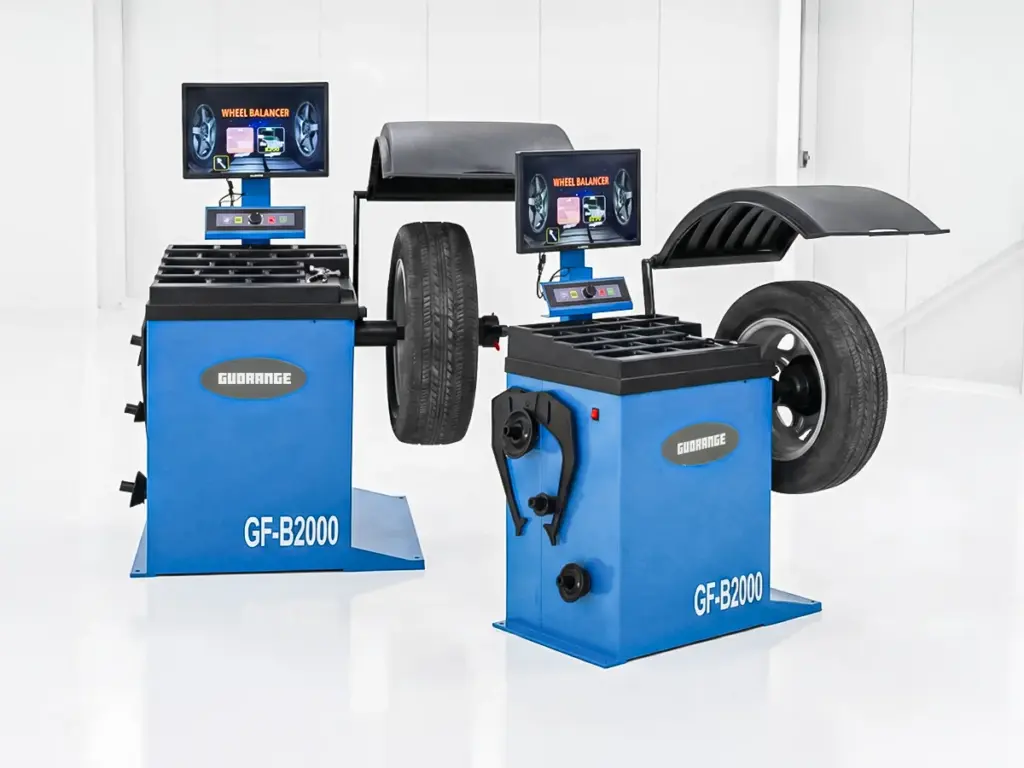
The first factor to consider is the type of vehicles entering your workshop.
Some repair shops primarily service passenger cars, while others regularly handle SUVs, autocarri leggeri, vans, or commercial vehicles. The size and weight of the wheels you balance will determine the wheel balancer specifications you need.
Per esempio, a shop focused on passenger cars may only require a standard wheel balancer capable of handling wheels up to 65 kg. Tuttavia, workshops servicing larger vehicles may need a heavy-duty wheel balancer with higher load capacity and larger wheel diameter support.
Choosing a wheel balancer designed for your typical vehicle mix ensures efficient operation and accurate balancing results.
Analyze Your Service Portfolio
Some businesses provide only basic tire replacement and wheel balancing. Others offer complete tire maintenance packages, including wheel alignment, tire rotation, rim repair, and suspension inspections.
If wheel balancing is a core revenue-generating service in your business, investing in a higher-performance wheel balancer may provide significant productivity advantages. Shops that perform wheel balancing occasionally may prioritize simplicity and affordability instead.
Evaluate Future Business Growth
Many workshop owners focus only on their current workload when purchasing equipment. Tuttavia, future expansion should also be considered.
If your customer base is growing or you plan to add new tire service capabilities, selecting a wheel balancer with greater capacity and advanced functions may prevent the need for equipment replacement later.
A scalable solution often delivers better long-term value than purchasing the lowest-cost option available.
Choose the Right Type of Wheel Balancer
After defining your operational needs, the next step is selecting the appropriate type of wheel balancer. Modern wheel balancers come in several configurations, each designed for different workshop environments and service demands.
Manual Wheel Balancers
Manual wheel balancers are generally the most basic option available. These machines require technicians to input wheel measurements manually and perform more operator-dependent procedures. While they typically have lower purchase costs, they also require more experience and additional time during operation.
Manual wheel balancers may be suitable for small workshops with low service volumes, but they often limit productivity in busy service environments.
Semi-Automatic Wheel Balancers
Semi-automatic wheel balancers provide a balance between affordability and efficiency. These machines typically automate some measurement functions while still requiring limited manual input from the operator. They reduce setup time and improve consistency compared with fully manual systems.
Many growing workshops choose a semi-automatic wheel balancer because it offers reliable performance without the higher investment associated with advanced automatic models.
Automatic Wheel Balancers
Automatic wheel balancers are increasingly popular in modern tire service centers. These machines automatically measure wheel parameters and simplify the balancing process. Automated data collection reduces operator errors and improves overall efficiency.
Per esempio, some modern wheel balancer models feature automatic measuring gauges that automatically input wheel dimensions, reducing manual operations and improving workflow efficiency. Advanced computer-controlled systems can also deliver fast calculation cycles and highly accurate balancing results.
Automatic wheel balancers are especially valuable for workshops handling large numbers of vehicles each day.
Heavy-Duty Wheel Balancers
Workshops servicing trucks, vans, and commercial vehicles often require specialized heavy-duty equipment.
Heavy-duty wheel balancers are designed to handle larger wheel diameters, greater wheel weights, and more demanding service conditions. These machines typically feature stronger structures, larger shafts, and enhanced load-bearing capabilities.
Selecting a heavy-duty wheel balancer ensures safe operation and accurate balancing when working with oversized wheel assemblies.
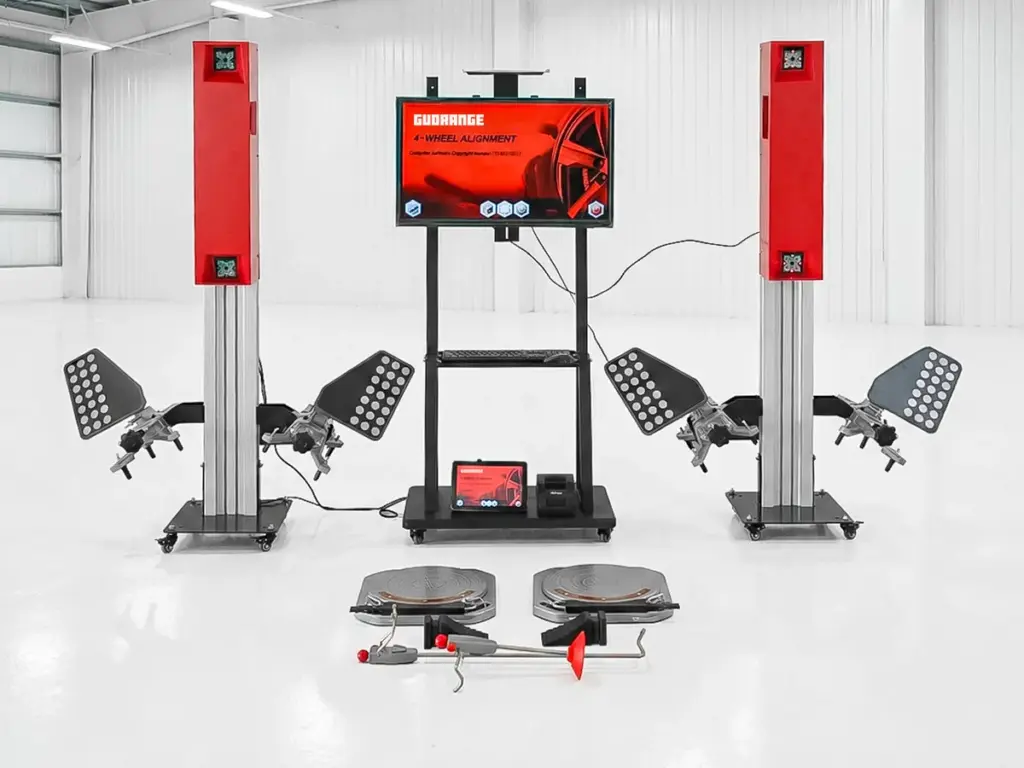
Allineatori ruote 3D ad alta precisione per il massimo ROI
Evaluate Key Performance Specifications
Once you have selected the appropriate wheel balancer category, the next step is evaluating technical performance specifications. Performance specifications directly affect balancing accuracy, service speed, and long-term reliability.
Balancing Accuracy
Accuracy is one of the most critical factors when selecting a wheel balancer. Even small balancing errors can lead to vehicle vibration, uneven tire wear, and customer dissatisfaction.
High-quality wheel balancers can achieve balancing accuracy as precise as ±1 gram, allowing technicians to identify and correct even minor imbalances. This level of precision helps improve ride quality and extend tire lifespan.
When comparing machines, always review the manufacturer’s stated balancing accuracy specifications.
Measurement Speed
Service speed has a direct impact on workshop productivity. The faster a wheel balancer completes each measurement cycle, the more vehicles your technicians can process during the day.
Many modern wheel balancer systems complete balancing measurements in approximately seven seconds, helping reduce waiting times and improve overall workflow efficiency.
While speed should not come at the expense of accuracy, efficient measurement cycles can significantly improve shop performance.
Wheel Capacity
Every wheel balancer has limitations regarding wheel size and weight. Important specifications include:
- Maximum wheel weight
- Maximum wheel diameter
- Rim diameter range
- Wheel width range
- Rim center hole diameter compatibility
A wheel balancer that cannot accommodate your typical wheel sizes will create operational limitations and reduce service flexibility. Always verify that the machine supports both your current workload and anticipated future requirements.
Shaft and Bearing Quality
The quality of the spindle assembly plays a major role in balancing accuracy and machine lifespan.
Premium wheel balancers often use heat-treated shafts and imported high-precision bearings to ensure smooth rotation and consistent measurement performance. These components improve wear resistance and contribute to long-term operational reliability.
Since the spindle is one of the most heavily used components in a wheel balancer, investing in durable construction can reduce maintenance costs over time.
Structural Stability
Machine rigidity affects balancing consistency. A wheel balancer with a strong steel body and stable sensor support structure can minimize vibration during operation and improve measurement accuracy.
Modern professional wheel balancers often incorporate reinforced steel frames, integrated sensor supports, and heavy-duty construction to ensure long-term stability under daily workshop conditions.
Consider Automation and Ease of Operation
Technology has significantly improved wheel balancer usability over the past decade. Automation features not only improve efficiency but also reduce training requirements and operator errors.
Automatic Data Entry
Traditional wheel balancing often requires technicians to manually enter wheel dimensions. Modern wheel balancers can automatically measure and input key parameters, reducing setup time and minimizing data entry mistakes.
Automatic measuring gauges are particularly useful in busy workshops where technicians must process large numbers of vehicles throughout the day. These systems streamline operations and improve overall consistency.
Self-Calibration Functions
Regular calibration is necessary to maintain balancing accuracy. Machines equipped with self-calibration programs simplify this process considerably. Instead of requiring complex procedures, technicians can quickly recalibrate the wheel balancer when needed.
Advanced systems may also include built-in fault diagnosis functions that help identify operational issues and reduce downtime.
Tire and Rim Optimization Functions
Certain wheel balancer models include tire and rim optimization features. These functions help identify the optimal positioning relationship between the tire and rim, reducing the amount of corrective weight required during balancing.
Optimization technology can improve balancing efficiency while helping technicians achieve better overall results. Some advanced wheel balancers include dedicated OPT functions specifically designed for this purpose.
Interfaccia intuitiva
Operator experience should not be overlooked when selecting a wheel balancer. A clear display, intuitive controls, and easy-to-understand software can significantly reduce training time and improve technician confidence.
Many modern wheel balancer systems feature enlarged digital displays and computer-controlled interfaces that simplify operation while improving visibility in busy workshop environments.
The easier a wheel balancer is to operate, the more quickly technicians can become productive.
Match the Wheel Balancer to Your Expected Workload
Selecting a wheel balancer that aligns with your service volume is essential for maximizing operational efficiency. A machine that is too basic may create bottlenecks, while an oversized solution may result in unnecessary investment.
Low-Volume Workshops
Small independent repair shops and general maintenance garages often perform a limited number of wheel balancing services each day. For these businesses, a reliable semi-automatic wheel balancer may provide sufficient performance without requiring a large capital investment. The focus should be on dependable accuracy, ease of maintenance, and affordability.
Medium-Volume Tire Service Centers
Shops performing dozens of wheel balancing jobs each week require greater efficiency. Automatic wheel balancers become increasingly valuable in these environments because they reduce setup times and improve workflow consistency. Automation can help technicians complete more jobs while maintaining high service quality.
High-Volume Professional Operations
Large tire centers, concessionarie, and fleet service facilities often process significant numbers of vehicles daily. For these businesses, investing in a high-performance wheel balancer can generate substantial productivity gains. Features such as automatic measurement, rapid balancing cycles, advanced diagnostics, and optimized balancing programs can significantly reduce labor costs while increasing service capacity.
Seasonal Demand Considerations
Many tire service businesses experience seasonal demand spikes. Winter tire installations, seasonal tire changes, and fleet maintenance periods can dramatically increase service volume. Choosing a wheel balancer capable of handling peak workloads helps maintain service quality even during the busiest times of the year.
Set a Realistic Budget and Calculate ROI
Equipment purchases should always be evaluated as business investments rather than simple expenses. A wheel balancer should generate measurable returns through improved productivity, qualità del servizio, e la soddisfazione del cliente.
Look Beyond Purchase Price
The lowest-priced wheel balancer is not always the most economical option. Cheaper machines may require more maintenance, experience greater downtime, or deliver lower productivity.
When evaluating costs, consider:
- Initial purchase price
- Installation requirements
- Maintenance expenses
- Spare parts availability
- Training requirements
- Expected service life
A slightly higher investment in a better wheel balancer can often result in lower total ownership costs.
Calculate Productivity Gains
One of the easiest ways to evaluate ROI is by estimating labor savings. If an automatic wheel balancer reduces balancing time by several minutes per vehicle, the cumulative savings over hundreds or thousands of service jobs can be substantial. Faster service completion also allows workshops to serve more customers without increasing staffing levels.
Consider Equipment Durability
Durability directly impacts long-term profitability. Wheel balancers built with high-quality bearings, reinforced steel structures, durable motors, and advanced electronic components typically provide longer service lives and lower maintenance costs. Reliable equipment minimizes downtime and helps ensure uninterrupted service operations.
Evaluate Manufacturer Support
After-sales support is an important but often overlooked factor. Reliable manufacturers typically provide technical assistance, spare parts support, and warranty coverage to help customers maximize equipment uptime.
When selecting a wheel balancer, it is worth considering the manufacturer’s support infrastructure and commitment to long-term customer service. Some manufacturers provide remote technical support, spare parts availability, and warranty coverage to support workshop operations.
Common Mistakes to Avoid When Choosing a Wheel Balancer
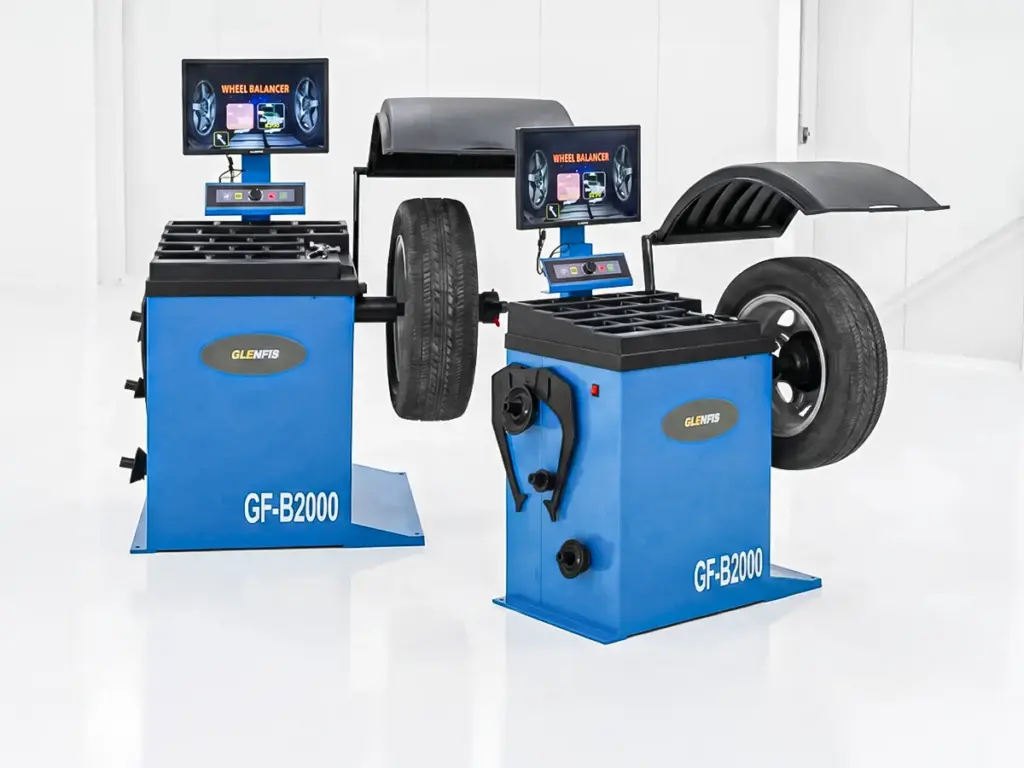
Many workshop owners make avoidable mistakes during the equipment selection process. Understanding these common pitfalls can help ensure a more successful investment.
Choosing Based Solely on Price
Focusing exclusively on the lowest purchase price often leads to disappointment. A wheel balancer that lacks durability, precisione, or efficiency can create higher operating costs over time. Value should always take precedence over initial cost.
Ignoring Future Capacity Needs
Businesses grow over time. Selecting a wheel balancer that only meets current requirements may force an expensive upgrade sooner than expected. Future workload projections should be included in the purchasing decision.
Overlooking Automation Features
Some buyers view automation as an unnecessary luxury. In reality, automatic measurement, self-calibration, and fault diagnosis features often improve productivity, reduce operator errors, and simplify training. Ignoring these features may limit long-term operational efficiency.
Neglecting Maintenance and Service Support
Even the best wheel balancer requires occasional maintenance. Failing to evaluate spare parts availability, technical support, and warranty coverage can create challenges later. A strong support network contributes significantly to equipment longevity.
Buying More Machine Than Necessary
While advanced features are valuable, purchasing a wheel balancer with capabilities far beyond your operational needs may reduce ROI. The ideal wheel balancer is one that aligns closely with your business requirements, workload, and growth objectives.
Considerazioni finali
The right wheel balancer should provide accurate results, reliable performance, efficient operation, and long-term durability. Factors such as balancing accuracy, measurement speed, wheel capacity, automation functions, and structural quality all play important roles in equipment selection.
Guarancio provides a wide range of professional automotive service equipment, including advanced wheel balancer solutions designed to meet the needs of modern repair shops and tire service businesses. With a focus on precision, durabilità, and user-friendly operation, Guorange helps workshops improve productivity while delivering reliable balancing performance.
If you are looking for a dependable wheel balancer for your business, explore the latest solutions from Guorange and contact our team for expert guidance on selecting the right equipment for your specific workshop requirements.
Domande frequenti
What is the difference between dynamic and road force balancer?
A dynamic wheel balancer measures and corrects weight imbalances in a wheel and tire assembly. A road force balancer goes a step further by applying pressure to the tire during testing to simulate real driving conditions, helping identify issues such as tire uniformity problems and road force variations.
How much does a commercial wheel balancer cost?
The cost of a commercial wheel balancer varies depending on its features, level of automation, and capacity. Entry-level models typically cost a few thousand dollars, while advanced automatic or road force balancing machines can cost significantly more.
What is the best wheel balancer brand?
The best wheel balancer brand depends on your business needs, budget, and service volume. When evaluating brands, look for factors such as balancing accuracy, durabilità, facilità d'uso, technical support, and long-term reliability.
How long do wheel balancers last?
A high-quality wheel balancer can last 10 years or more with proper maintenance and regular calibration. Actual lifespan depends on usage frequency, operating conditions, and maintenance practices.


