
Building a profitable car lift portfolio requires more than comparing prices and rated capacities. Distributors must match lift type, vehicle compatibility, safety documentation, and installation requirements to the needs of their target workshops. Carrying unsuitable or overlapping models can tie up capital and create avoidable installation and support problems.
This car lift buying guide explains how to structure a focused product range, compare load capacities, verify market-specific safety documents, review packaging and spare-parts support, and approve equipment before placing a bulk order.
Which Car Lift Models Should a Distributor Carry?
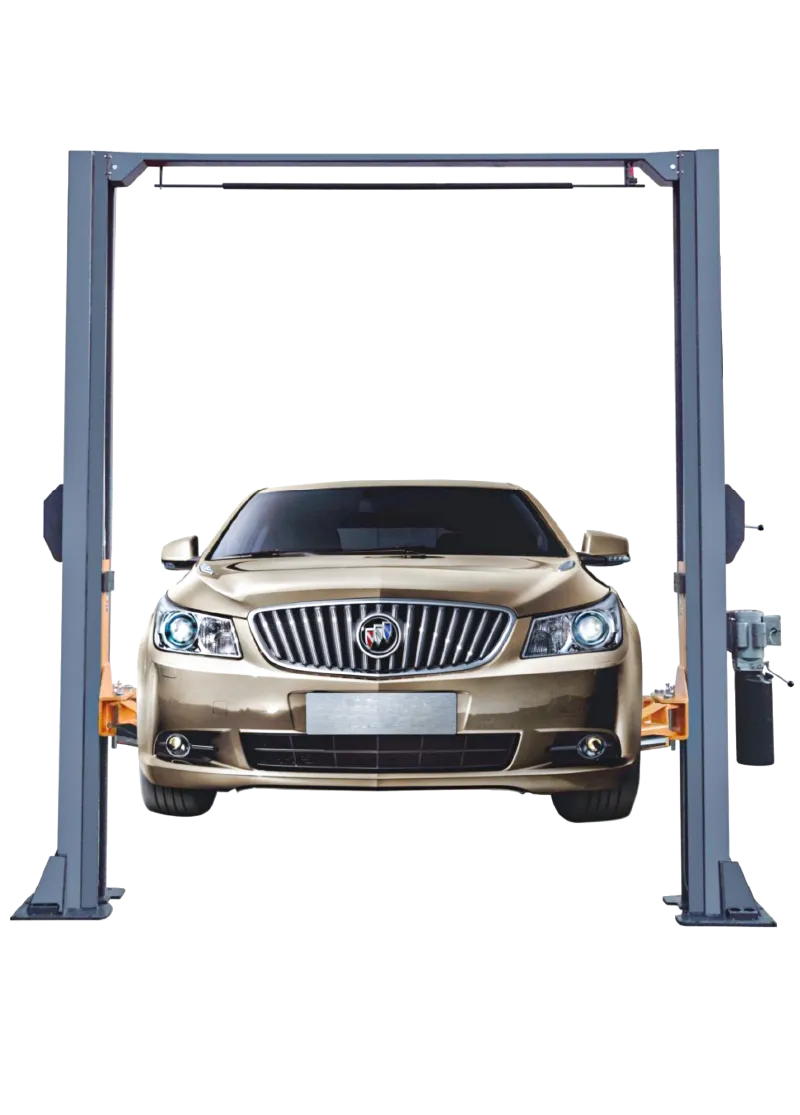
A balanced portfolio should prioritize widely used two-post and four-post lifts, supported by selected scissor and specialty models that reflect local customer demand.
| Lift Type | Main Applications | Key Selection Points | Stocking Role |
|---|---|---|---|
| Two-Post Lifts | General repair, wheel service and underbody access | Rated capacity, load distribution, arm reach, lifting points and ceiling height | Core inventory for general repair shops |
| Four-Post Lifts | Wheel alignment, inspection, general service and vehicle storage | Runway dimensions, wheelbase range, rated capacity and alignment accessories | Core or targeted model based on alignment demand |
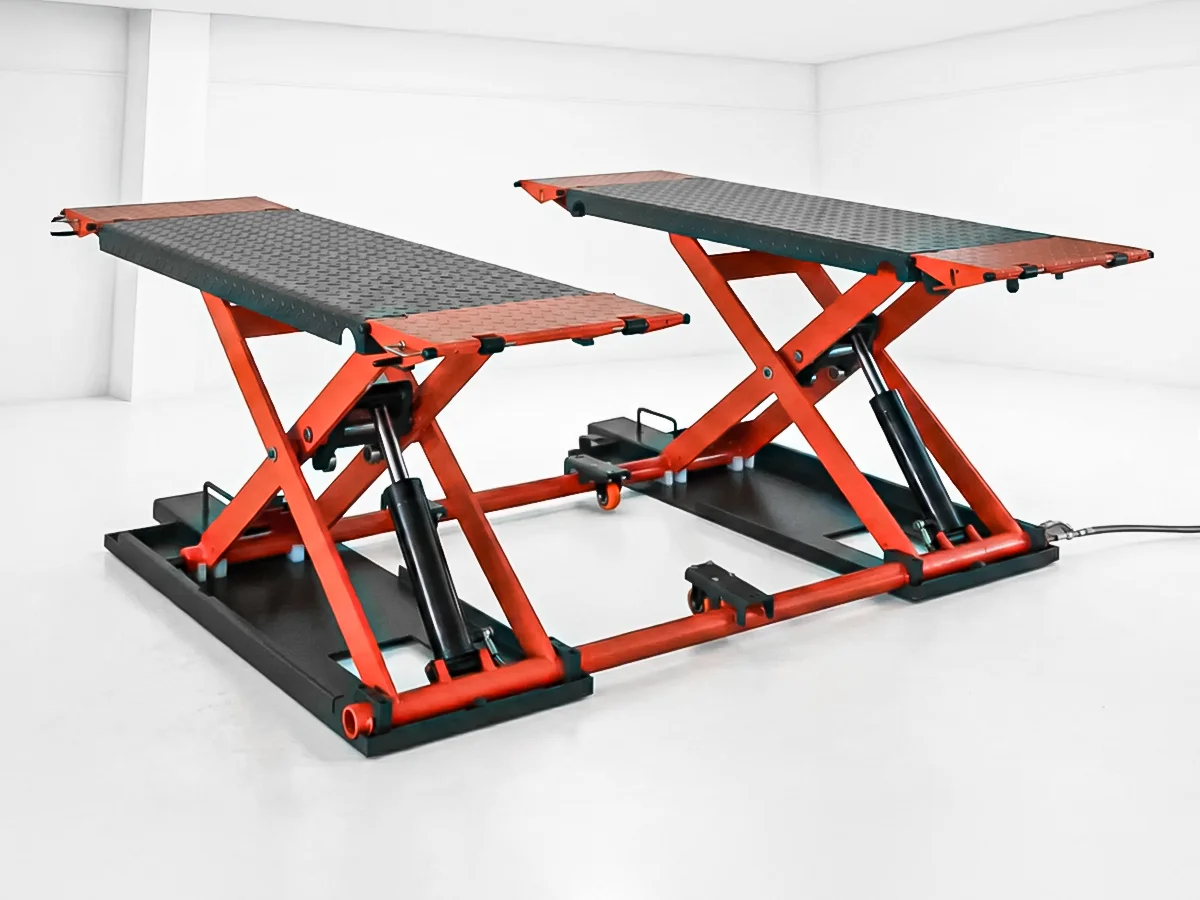
| Scissor Lifts | Tire service, quick maintenance, detailing and bodywork | Rise height, platform length, access around the vehicle and installation space | Important option for space-limited workshops |
| Specialty Lifts | Fleet vehicles, motorcycles, parking and other specialized applications | Vehicle range, installation conditions, accessories and verified local demand | Selective inventory or order-on-demand |
For workshops with limited floor space or a focus on tire and quick-service work, buyers can compare Guorange’s available auto scissor lift configurations, including installation and operating options for different bay layouts.
Prioritize models with clearly different applications and offer specialty lifts selectively according to verified local demand. Distributors who need a more detailed comparison of two-post, runway, scissor, mobile-column, and in-ground systems can review our guide to the different types of vehicle lifts and their typical workshop applications.
How Should You Match Lift Capacity to the Target Market?

Match each lift to the vehicles, lifting points, load distribution, service volume, and installation conditions of the target workshop. Do not rely on vehicle category or a universal capacity margin alone.
Matching Lift Capacity to Customer Profiles
Distributors should evaluate the vehicles commonly serviced in each market before selecting capacity bands. The lift must accommodate not only vehicle weight but also wheelbase, track width, ground clearance, lifting-point location, and front-to-rear weight distribution.
- Home garages and light-duty workshops: Select compact lifts that accommodate the intended passenger cars, crossover, or light trucks while fitting the available floor area and ceiling height.
- Independent repair shops: Offer versatile models covering the workshop’s typical mix of passenger cars, SUV, pickups, and light commercial vehicles.
- SUV, pickup, and EV specialists: Confirm rated capacity, arm reach, lifting-pad range, asymmetric loading limits, and compatibility with the lifting points of the intended vehicles. Do not assume that every EV requires the same capacity upgrade.
- Commercial and fleet workshops: Use purpose-designed four-post, mobile-column, or other heavy-duty systems when servicing buses, box trucks, or fleet vehicles. Match the equipment to actual axle loads, vehicle dimensions, and operating procedures.
Vehicle labels such as “SUV,” “EV,” or “commercial truck” are not sufficient for lift selection. Buyers should verify the heaviest intended vehicle and its load distribution against the specifications and approved applications of the exact lift model.
Distributors supplying newly established tire-service businesses should also consider how lifting equipment fits alongside changers, balancers, and alignment systems. Our guide to the equipment needed to start a tire shop explains how these product categories work together.
Checking Load Distribution and Installation Constraints
A lift’s total rated capacity is only one part of safe selection. The workshop must also verify how the load is supported and whether the site meets the manufacturer’s installation requirements.
- Load limits: Compare total rated capacity with any per-arm, per-column, per-platform, or axle-related limits specified by the manufacturer.
- Vehicle configuration: Check wheelbase, track width, lifting points, ground clearance, attachments, cargo, and front-to-rear weight distribution.
- Service frequency: Confirm that the selected model and operating cycle are suitable for the workshop’s expected daily workload.
- Foundation and space: Verify concrete specifications, anchoring requirements, bay width, ceiling height, electrical supply, and access around the lift.
- Approved accessories: Use the adapters, extension pads, ramps, and contact points specified for the lift and intended vehicles.
Do not apply a fixed percentage as a universal safety margin. Final selection and installation should follow the lift manufacturer’s instructions, applicable local requirements, and qualified installation or engineering guidance where necessary.
Which Technical Documents Should Be Available for Each Model?
A complete documentation package helps distributors verify product specifications, support safe installation and operation, and meet the requirements of the destination market.
| Document Category | Required Information | What to Verify |
|---|---|---|
| Operating Manual | Intended use, operating limits, controls, safety devices and routine checks | Matches the exact model and uses an accepted local language |
| Installation Manual | Equipment layout, foundation, anchors, clearances, utilities and commissioning | Requirements are compatible with the intended installation site |
| Maintenance Manual | Inspection intervals, lubrication, adjustments, troubleshooting and replacement parts | Service intervals and replacement criteria are clearly defined |
| Technical Specifications | Rated capacity, load limits, dimensions, lifting range, power and equipment weight | Specifications match the nameplate, drawings and order documents |
| Compliance Records | Applicable declarations, certificates, test reports, safety labels and risk documentation | Documents apply to the exact model, configuration and destination market |
| Validation Records | Structural, mechanical, hydraulic, electrical and safety-system test results | Test method and acceptance criteria cover the supplied configuration |
| Commercial and Shipping Documents | Packing list, package identification, certificate of origin and customs documents | Model numbers, quantities and package details remain traceable to the order |
For North American sales, verify any claimed ALI certification against the exact model and configuration. For European markets, confirm the applicable conformity documentation and the relevance of EN 1493 or other current requirements. Documentation should be reviewed before approving the sample or bulk order.
How Can You Verify Safety Systems and Rated Capacity?

Verify a car lift by checking the certifications and test records required in the destination market, matching its nameplate to the technical documents, and testing the safety devices specified for the exact model.
Confirming Certification, Identification, and Rated Capacity
A lift’s rated capacity should be supported by consistent model identification, technical documentation, applicable test records, and any third-party certification required in the destination market.
- Model and nameplate verification: Confirm that the model number, serial number, rated capacity, electrical configuration, and other nameplate information match the manuals, test reports, and order documents.
- Market-specific compliance: Verify the certificates, declarations, labels, and test reports required in the country where the lift will be installed.
- North American certification: If a lift is marketed as ALI Certified, confirm the exact model in the official ALI Directory of Certified Lifts. Certification for one model does not automatically apply to similar or modified configurations.
- Load-test documentation: Review reports identifying the exact model, applied load, load distribution, test duration, test method, acceptance criteria, and applicable standard.
Inspecting Safety and Structural Components
A physical inspection helps identify visible defects and confirm that the safety devices specified for the lift operate as intended.
- Load-holding systems: Test the mechanical locks, synchronization devices, hydraulic safeguards, or other load-holding systems included in the exact lift design.
- Controls and travel limits: Confirm that operating controls, emergency functions, limit switches, and unintended-movement protections work according to the manufacturer’s instructions.
- Structural condition: Inspect columns, arms, platforms, welds, fasteners, hydraulic lines, cavi, chains, and moving joints where applicable.
- Installation verification: Compare anchors, concrete requirements, clearances, electrical connections, and commissioning results with the model-specific installation manual and site records.
- Periodic inspections: Follow the manufacturer’s inspection schedule and applicable local requirements. Use ANSI/ALI ALOIM where relevant to the North American market.
Document the results of sample testing, installation commissioning, maintenance, and periodic inspections so that safety-related issues can be traced and corrected.
Installation checks are only the beginning of lift safety. The UK Health and Safety Executive’s guidance on working safely under vehicles advises workshops to follow the lift manufacturer’s requirements for the floor and fixings, maintain lifting equipment, train operators, and arrange regular inspections by a competent person. Exact inspection and documentation requirements should still be confirmed for the country where the lift is installed.
What Should You Check About Packaging and Container Loading?
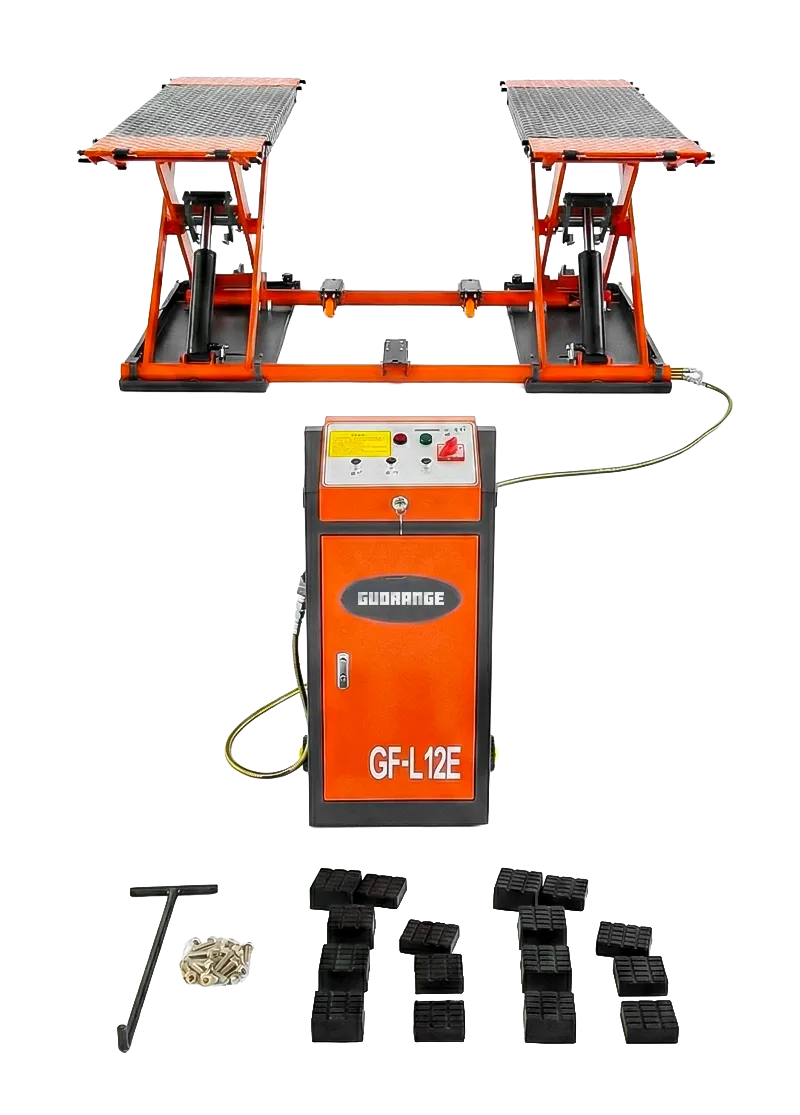
Packaging should protect lift components from impact, movement, moisture, and corrosion while allowing the shipment to be identified, unloaded, and inspected safely upon arrival.
Packaging and Component Protection
The packaging method should reflect the weight, dimensions, surface finish, and sensitivity of each component. Not every part requires the same type of protection.
- Structural components: Confirm that columns, platforms, arms, and other heavy sections are secured to suitable skids, frames, or reinforced packaging to prevent movement and direct contact during transit.
- Sensitive components: Protect hydraulic cylinders, power units, motors, control boxes, cavi, and machined surfaces with appropriate wrapping, padding, and corrosion protection.
- Small parts and accessories: Pack fasteners, fittings, hoses, lifting pads, covers, and optional accessories in labeled inner cartons or sealed bags. Match their quantities against the packing list.
- Moisture protection: Select protective film, rust inhibitors, desiccants, or moisture barriers according to the shipping route, transit time, and expected storage conditions.
- Wood packaging requirements: When solid-wood packaging is used, verify whether treatment and marking are required by the destination country.
- Package identification: Label each crate, skid, or bundle with the order number, package number, contents, gross weight, lifting points, orientation, and handling instructions where applicable.
Container Inspection and Loading Control
The loading plan must account for cargo weight, component dimensions, unloading equipment, and the container’s permitted load limits.
- Container condition: Check the floor, roof, walls, doors, and seals for holes, water entry, serious corrosion, contamination, or structural damage before loading.
- Weight distribution: Position heavy components low and distribute their weight within the container’s floor-load and payload limits. Avoid concentrated loads unless suitable support is provided.
- Cargo restraint: Use appropriately rated blocking, bracing, straps, or other securing methods to prevent sliding, tipping, or contact between components during transport.
- Component separation: Place protective material between painted, machined, hydraulic, and electrical parts to reduce impact and abrasion damage.
- Unloading access: Plan component placement around the available forklift, crane, dock, and receiving-site conditions without compromising safe weight distribution or cargo restraint.
- Loading records: Record package numbers, container and seal numbers, loading condition, cargo placement, and securing arrangements with dated photographs.
What Can Be Customized for OEM Orders?
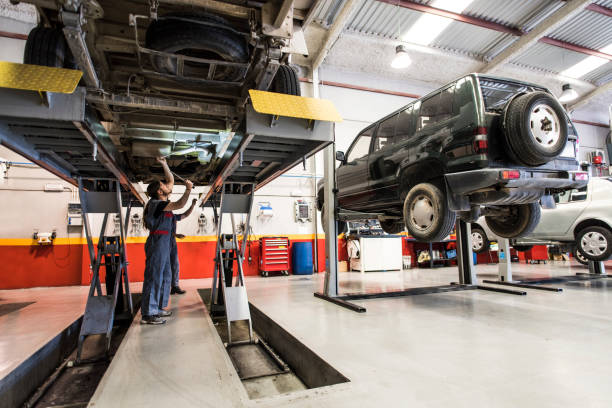
OEM programs commonly support branding, documentation, electrical configurations, accessories, and packaging. Changes to rated capacity or other safety-critical structures require engineering review, validation, and updated compliance documentation.
| Customization Category | Typical Options | Approval Requirement |
|---|---|---|
| Approved Configurations | Lifting height, arm or runway options, adapters and accessories | Confirm compatibility with the exact model and intended vehicles |
| Electrical Systems | Approved voltage, phase, frequency, plug and control configurations | Verify against the destination market and installation site |
| Brand Identity | Colors, logos, model names, labels and nameplate layout | Approve artwork, placement, durability and mandatory safety content |
| Documentation | Localized manuals, safety labels, parts lists and service materials | Complete technical review before printing and shipment |
| Packaging and Logistics | Branded packaging, package numbers, barcodes and shipping labels | Confirm protection, traceability and destination requirements |
Approved Technical Configurations
Distributors can select from the manufacturer’s existing, validated configurations to match local vehicles, workshop layouts, and electrical infrastructure.
- Dimensions and accessories: Choose available lifting heights, arm lengths, runway dimensions, adapters, ramps, pads, and other model-compatible options.
- Electrical configuration: Confirm voltage, phase, frequency, rated current, plug or hardwired connection, motor configuration, and control-panel language.
- Vehicle compatibility: Verify rated capacity, load distribution, arm reach, lifting points, wheelbase range, and accessory compatibility for the intended vehicles.
- Model identification: Ensure that the selected configuration is reflected consistently on the nameplate, manuals, drawings, parts list, and order documents.
Rated capacity, columns, cylinders, baseplates, locking systems, and other load-bearing components should not be presented as routine branding options. Any requested change to these elements requires formal engineering review, validation testing, updated technical files, and any new certification or conformity assessment required for the destination market.
Branding, Documentation, and Packaging
Private-label customization can create a consistent distributor identity without changing the lift’s validated safety design.
- Visual identity: Apply approved colors, logos, model names, and durable product labels while preserving all mandatory warnings and identification information.
- Localized documents: Translate operating, installation, maintenance, and parts documentation into the required language. Technical translations should be reviewed before production.
- Safety labels: Adapt label language and layout without removing required warnings, symbols, rated capacities, or traceability information.
- Packaging: Add branded cartons, crates, package numbers, barcodes, and warehouse labels while maintaining adequate protection and handling instructions.
Compliance documents cannot simply be customized to display a buyer’s brand. Any declaration, certification mark, test report, or label must accurately identify the responsible party, exact product configuration, applicable standard, and destination-market requirements.
What Should Be Approved Before a Bulk Order?
Approve a bulk order only after confirming the exact product configuration, destination-market requirements, sample performance, documentation, packaging, warranty terms, and spare-parts support.
| Approval Area | Items to Confirm | Approval Evidence |
|---|---|---|
| Product Configuration | Model, rated capacity, dimensions, lifting range, electrical configuration, accessories, colors and quantities | Signed technical specification and order confirmation |
| Market Requirements | Applicable declarations, certifications, test reports, product markings and localized documents | Approved compliance document set for the destination market |
| Vehicle Compatibility | Load distribution, lifting points, arm reach, wheelbase range, ground clearance and approved accessories | Documented compatibility review for intended vehicles |
| Site Requirements | Concrete specifications, anchoring, ceiling height, bay dimensions, electrical supply and installation access | Completed site-readiness checklist |
| Sample Testing | Controls, synchronization, safety devices, lifting range, leakage, accessory fit and visible defects | Signed sample or first-article approval report |
| Quality Control | Production inspections, final testing, acceptance criteria, defect handling and corrective actions | Approved quality-control plan and inspection records |
| Packaging | Component protection, package count, labels, packing list, cargo restraint and container-loading plan | Approved packing method, packing list and loading photographs |
| After-Sales Support | 12-month complete-machine warranty, exclusions, claim procedure, remote technical support and spare-parts availability | Written warranty and support terms with responsibilities clearly assigned |
| Production and Delivery | Production schedule, inspection date, shipping terms, delivery documents and change-approval process | Final order confirmation and agreed delivery schedule |
Resolve all safety, functional, documentation, and packaging issues identified during sample testing or first-article inspection before authorizing the full production run.
Domande frequenti
Which car lift models should a distributor carry?
Most distributors should build their core range around two-post lifts for general repair, four-post lifts for alignment and inspection, and low- or mid-rise scissor lifts for tire service and space-limited workshops. Add mobile-column, parking, motorcycle, or other specialty lifts only when local customer demand supports the additional inventory. Each model should serve a clearly defined vehicle range and workshop application.
How do distributors compare rated lift capacities?
Compare more than the lift’s total rated capacity. Check per-arm, per-column, platform, or axle-related limits where applicable, along with load distribution, lifting-point coverage, arm reach, wheelbase range, and approved vehicle applications. Distributors should also verify the test records and certifications required in the destination market for the exact lift model and configuration.
What safety documents should be available for a car lift?
The documentation package should include model-specific operating, installation, maintenance, and service manuals; safety labels; technical specifications; and any declarations, certificates, or test reports required in the destination market. Installation reports, commissioning results, inspection logs, maintenance records, and operator training records should also be retained where applicable.
What needs approval before placing a bulk lift order?
Before placing a bulk order, approve the exact model configuration, vehicle compatibility, requisiti di installazione, electrical options, accessories, labels, and destination-market documentation. Buyers should also verify sample performance, quality-control criteria, packaging, warranty terms, spare-parts support, production schedule, and shipping documents. Resolve any safety, functional, or documentation issues before authorizing mass production.
Considerazioni finali
Building a focused car lift portfolio requires more than comparing factory prices and headline capacities. Distributors should match each model to the intended vehicles, workshop conditions, and destination-market requirements while verifying technical documents, safety systems, installation needs, packaging, and spare-parts support. A sample or pilot order can help identify configuration and documentation issues before capital is committed to a larger production run.
Request our technical catalog to compare available car lift configurations, capacity ranges, accessories, electrical options, and OEM services. Contact our commercial team to discuss your target market and develop a product package suited to your distribution requirements.


