
Choosing a wheel alignment machine manufacturer involves more than comparing prices and product specifications. Distributors and private-label buyers must also verify measurement documentation, vehicle database support, quality-control records, warranty terms, and spare-parts availability.
This guide explains how to evaluate a manufacturer’s product range, software and data support, calibration procedures, localization options, and sample-testing process. Use these checks to compare suppliers and select equipment that suits your target market and after-sales capabilities.
What Should You Verify About the Manufacturer’s Business and Product Range?
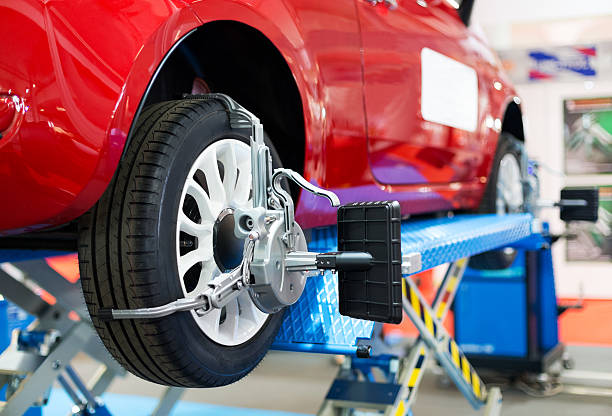
Check whether the manufacturer has a verifiable production operation, suitable wheel aligner models, documented technical specifications, and an after-sales system your business can support.
Evaluating Business Stability and Support Systems
Confirm the manufacturer’s registered business identity, operating history, production address, export experience, and actual involvement in wheel alignment equipment. Buyers should also review assembly and testing capabilities, normal lead times, warranty coverage, remote technical support, and spare-parts availability.
Ask for model-specific certificates, technical documents, and quality records rather than relying on general claims. Warranty and service terms should clearly state what is covered, what evidence is required for a claim, and which responsibilities belong to the manufacturer, distributor, and end user.
Assessing Equipment Capabilities and Software Features
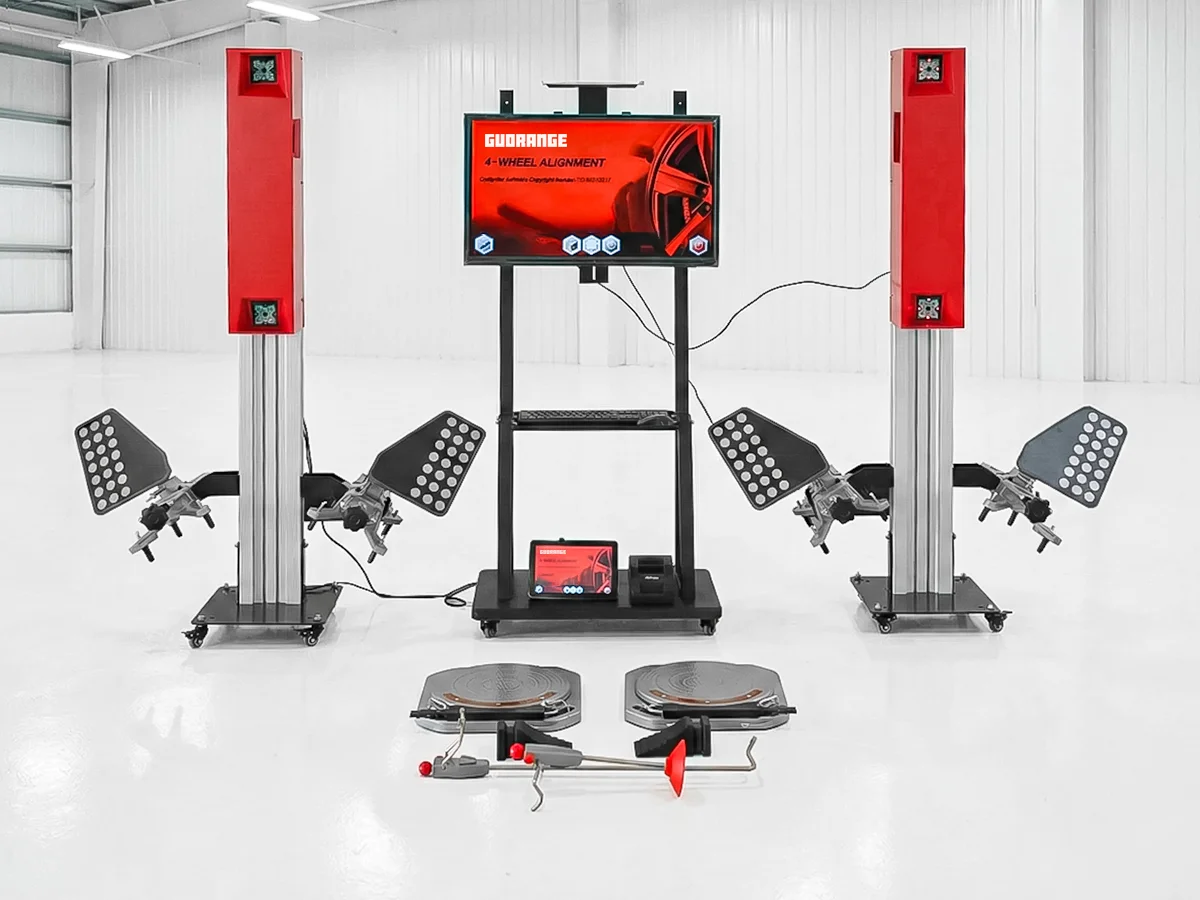
The product range should match the distributor’s target workshops and vehicle mix. Compare camera-and-target 3D systems with wheel-mounted electronic measuring-head systems according to bay layout, lift compatibility, fluxo de trabalho, and maintenance requirements.
Evaluate each model using the following criteria:
- Measurement specifications: Compare the declared range, resolution, accuracy, and repeatability, and ask how each value was tested.
- Installation limits: Confirm the supported wheel-clamp range, track width, wheelbase, lift compatibility, camera field of view, and required working space.
- Software and vehicle data: Check regional vehicle coverage, database sources, update frequency, license terms, delivery methods, and fees.
- User interface: Test language options, report formats, guided procedures, and software response during a sample alignment.
- Upgradability: Confirm which cameras, targets, measuring heads, computers, and software modules can be repaired, replaced, or upgraded separately.
Manufacturer capability is only one part of the purchasing decision. Distributors should also understand how workshop layout, vehicle mix, lift compatibility, and service volume affect the end user’s choice. Our guide to choosing a wheel alignment machine for an auto repair shop explains these application-level factors.
How Are Measurement Systems and Model Specifications Documented?
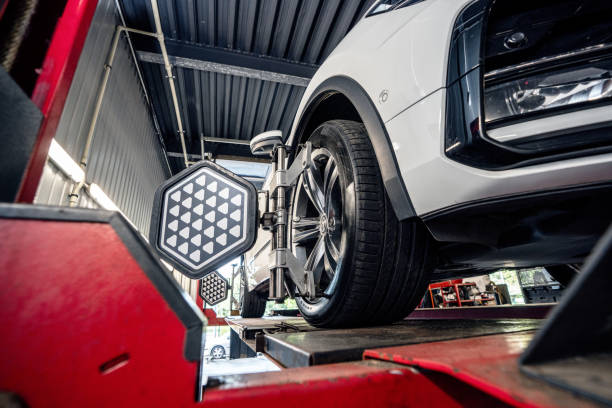
Buyers should use model-specific specification sheets, manuals, and calibration instructions to confirm what the machine measures, its operating limits, and how its performance is verified.
Documenting Measurement Systems and Parameters
The technical documents should identify the machine’s measurement architecture. A camera-and-target 3D system typically uses external cameras to observe wheel-mounted targets, while a typical CCD system uses powered electronic measuring heads attached to the wheels.
The documentation should define:
- Supported parameters: Confirm whether the machine measures front and rear toe, curvatura, caster, setback, thrust angle, and other required alignment values.
- Performance specifications: Review the declared measurement range, resolution, accuracy, and repeatability. These terms describe different characteristics and should not be treated as interchangeable.
- Test conditions: Ask how the specifications were established, including the reference equipment, environmental conditions, test procedure, and acceptance limits.
- Calibration procedure: Check which fixtures, software routines, and technician steps are required for the specific model and measurement architecture.
- Compensation procedures: Confirm how wheel runout compensation and other measurement corrections are performed during the alignment workflow.
Do not assume that a general accuracy statement proves compliance with every vehicle manufacturer’s procedures. Where OEM-specific alignment or ADAS-related workflows are claimed, request documentation showing exactly what the software and equipment support.
Buyers comparing camera-and-target 3D systems with other measurement architectures may also need to consider workflow, installation space, maintenance, and expected utilization. Read our analysis of whether a 3D wheel alignment machine is worth the investment for a broader operational comparison.
Defining Model Specifications and Hardware Capacities
Model documentation should also define the installation and operating boundaries of the complete system. Distributors need this information to match each model to the target workshop, lift, vehicle range, and available space.
Verify the following:
- Vehicle and clamp range: Check compatible rim or clamp sizes, track width, wheelbase, and supported vehicle categories.
- Installation requirements: Confirm the required bay dimensions, camera working distance, lift or rack compatibility, floor conditions, and clearance around moving components.
- Electrical and environmental limits: Review voltage, phase, frequency, grounding, network requirements, operating temperature, and acceptable lighting conditions.
- Physical specifications: Record the dimensions and weights of the cabinet, camera beam, measuring heads, calibration fixtures, and other major components.
- Included and optional equipment: Use part numbers to identify targets, clamps, turnplates, steering locks, calibration tools, computers, and other accessories supplied with each configuration.
- Software configuration: Confirm the installed software version, available languages, vehicle database coverage, update method, license terms, and optional modules.
Buyers who want to compare these documentation requirements with an available model can review the GF-A9 3D wheel alignment machine. Confirm its hardware configuration, software functions, installation requirements, and included accessories against the approved quotation.
What Quality-Control Records Should Be Available?
Quality records help buyers determine whether the manufacturer follows a repeatable process from incoming inspection through final machine approval. Request records that are relevant to the model and order rather than relying on general quality claims.
Production and Measurement Records
A manufacturer may not disclose every internal production document, but it should be able to explain its inspection process and provide representative or order-specific evidence where appropriate.
Important records include:
- Measuring-equipment status: Identifies the reference tools used during production and testing, together with their calibration or verification dates and current status.
- Incoming inspection: Records whether critical purchased components, such as cameras, targets, measuring heads, control boards, and cables, meet the approved specifications.
- In-process inspection: Documents checks performed during assembly, such as component mounting, cable routing, fastener installation, and hardware configuration.
- Final functional testing: Confirms that the completed machine powers on correctly, communicates with its components, runs the required software functions, and produces measurements within the model’s approved acceptance limits.
- Configuration and serial records: Links the machine serial number to its model, hardware configuration, software version, included accessories, and final inspection result.
Buyers should ask how long these records are retained and whether a final inspection report can be supplied with the sample or bulk shipment.
Quality-System and Support Records
The broader quality system should show how the manufacturer handles defects, maintains production equipment, and prevents the same problem from recurring.
Relevant evidence may include:
- Nonconformance records: Describe identified defects, affected units, containment actions, and final disposition.
- Corrective actions: Record the cause of recurring or significant problems and the steps taken to prevent recurrence.
- Equipment maintenance: Tracks maintenance and verification of assembly fixtures, testing tools, and calibration equipment.
- Supplier controls: Shows how critical component suppliers are approved, monitored, and reviewed when quality issues occur.
- Personnel qualifications: Confirms that employees performing assembly, testing, and calibration have received the required internal training.
- Internal review and release: Documents the final authorization to ship and any unresolved deviations approved for the order.
The goal is not to collect paperwork for its own sake. Buyers should confirm that the records identify the machine or production batch, show who completed the inspection, and provide a clear result against an approved requirement.
Documented quality control should show how the factory monitors production, handles irregularities, inspects finished equipment, and records the results. As a general reference, the UK government’s guidance on manufacturing and quality-control records lists process monitoring, treatment of production irregularities, product inspection, and recorded results among the procedures businesses should document.
What Private-Label and Localization Support Can the Manufacturer Provide?
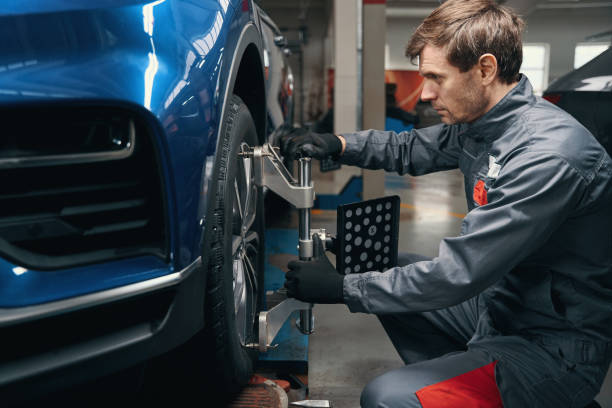
Private-label buyers should confirm which branding, software, electrical, documentation, and packaging changes are available for the intended market. Customization options and minimum quantities may vary by model.
Private-Label Customization
Private labeling can range from adding a logo to producing a market-specific equipment configuration. Buyers should define each requested change in the quotation and sample-approval documents.
Available options may include:
- Marca: Logo placement, nameplates, labels, cabinet colors, startup screens, and report headers.
- Software presentation: Interface languages, measurement units, report formats, and selected branding elements where the software permits them.
- Documentation: Branded manuals, quick-start guides, parts lists, warranty information, and packaging materials.
- Product configuration: Approved combinations of computers, displays, clamps, targets, measuring heads, and accessories.
- Embalagem: Carton markings, shipping labels, accessory packing, and distributor-specific identification.
Confirm which changes are standard options and which require engineering work, additional testing, higher minimum quantities, or longer lead times. A branded exterior does not by itself change the machine’s measurement performance or compliance status.
Localization for the Destination Market
Localization should reflect the practical requirements of the country where the equipment will be installed and supported. The distributor should provide the destination specifications before sample production.
Confirm the following:
- Language and units: Check the interface language, terminology, measurement units, report layout, and available vehicle database region.
- Electrical configuration: Specify voltage, phase, frequency, plug or wiring method, and other installation requirements.
- Documents and labels: Confirm the required manual language, safety labels, installation instructions, and applicable compliance documents.
- Software and updates: Verify regional vehicle coverage, update delivery methods, license terms, network requirements, and fees.
- Packaging and shipping: Match the packaging method, markings, dimensions, and moisture protection to the transport route and destination requirements.
- Local service responsibilities: Define which installation, training, maintenance, and repair tasks will be handled by the manufacturer remotely and which must be managed by the distributor or a local technician.
Approve the localized hardware, software, labels, documents, and packaging on the sample before authorizing bulk production.
What Should You Confirm During a Sample or Factory Review?

Use a sample and factory review to verify the machine’s configuration, measurement performance, software functions, production controls, and after-sales documentation against the approved specifications.
| Inspection Area | What to Verify | Evidence to Review |
|---|---|---|
| Machine configuration | Model, measuring architecture, computer, clamps, targets or measuring heads, and included accessories | Approved specification, packing list, component codes, and sample photographs |
| Measurement performance | Supported parameters, range, resolution, accuracy, repeatability, and compensation procedures | Model-specific test method, reference values, acceptance limits, and recorded results |
| Software and vehicle data | Software version, languages, regional vehicle coverage, update method, and license terms | Live software demonstration, version information, update policy, and fee schedule |
| Production controls | Incoming inspection, assembly checks, final testing, and treatment of nonconforming units | Representative inspection records, work instructions, and corrective-action examples |
| Calibration and reference tools | Fixtures and measuring tools used to verify the specific model | Equipment IDs, calibration or verification status, procedures, and current records |
| Support and spare parts | Warranty scope, remote support process, replacement parts, manuals, and troubleshooting resources | Warranty terms, parts diagrams, response procedure, and sample technical documents |
Perguntas frequentes
How do I verify a wheel alignment machine manufacturer?
Verify the company’s registration, production address, manufacturing scope, and export experience. Review model-specific specifications, quality-control records, software and database terms, warranty coverage, remote support, and spare-parts availability. A sample machine or factory review can help confirm whether its documented capabilities match actual production.
What technical documents should a manufacturer provide?
The document package may include model specifications, operating and installation manuals, maintenance instructions, parts diagrams, software and database information, and calibration procedures. Buyers should also request the declarations, test reports, labels, and other compliance documents applicable to the specific model and destination market.
Who updates the vehicle database in a wheel aligner?
Updates are usually supplied by the equipment manufacturer, software developer, or licensed vehicle-data provider. The schedule, delivery method, regional coverage, and fees vary by system. Buyers should confirm whether updates are downloaded online, installed offline, or completed with remote technical assistance.
What should I inspect in a sample machine?
Confirm that the sample matches the approved hardware, software, accessories, electrical configuration, and documentation. Run a test alignment to evaluate measurement repeatability, fluxo de trabalho, reporting, and vehicle-data coverage. Record any defects and verify corrective actions before approving bulk production.
Considerações Finais
Choosing a wheel alignment machine manufacturer requires more than comparing prices or headline specifications. Distributors should verify the machine configuration, measurement documentation, software and vehicle-data terms, quality records, warranty coverage, localization options, and spare-parts support before committing to a bulk order.
A sample machine or factory review can help confirm whether the supplier’s documented capabilities match the delivered product. Record the approved hardware, software, accessories, and test results, then resolve any differences before production. Contact our team to discuss your private-label requirements and build a wheel alignment solution for your target market.


