
Finding reliable automotive workshop equipment suppliers involves more than comparing product catalogs and quoted prices. The right sourcing channel should give you access to equipment that fits your workshop, destination-market requirements, delivery schedule, and after-sales needs.
This guide explains where to find potential suppliers through manufacturer websites, B2B platforms, distributor networks, trade shows, and industry referrals. It also covers how to verify a supplier’s business identity, review essential documents, and prepare an initial inquiry before adding the company to your shortlist.
What Do You Need Before Searching for Suppliers?
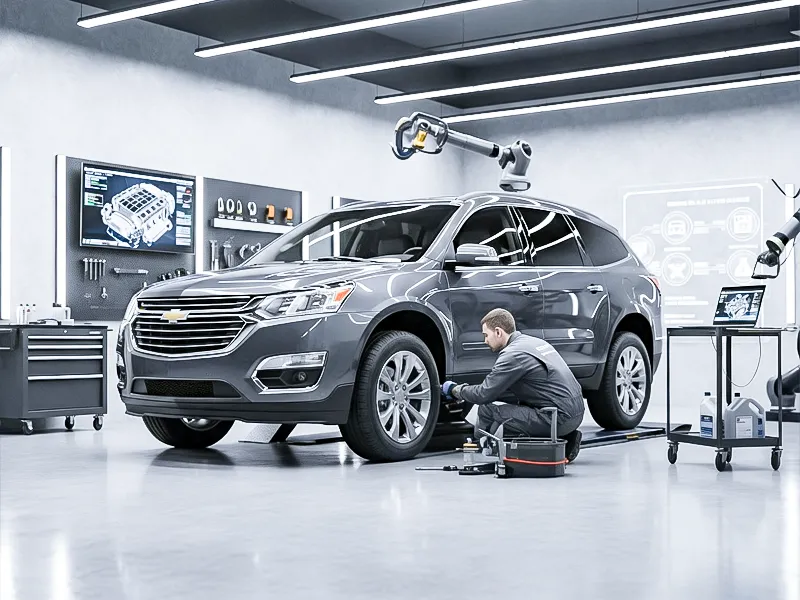
Define the equipment, basic specifications, order scope, and support requirements before starting your search. This makes it easier to find suppliers that serve the right product category and target market.
Before contacting suppliers, list the equipment your workshop or distribution business needs. Common categories include car lifts, trocadores de pneus, wheel balancers, wheel alignment machines, and related accessories. If vehicle lifts are part of your sourcing plan, review the differences between 2-post and 4-post car lifts before defining capacity, workshop space, and installation requirements. Include estimated quantities and whether you need standard models, mixed equipment, or OEM customization.
Prepare a short sourcing brief covering:
- Technical Requirements: State the required capacity, dimensions, vehicle or wheel range, voltage and frequency, and available installation space.
- Order Scope: List the equipment categories, quantities, target delivery date, and any branding or packaging requirements.
- Destination Market: Identify the country of use so suppliers can confirm applicable documentation, power configuration, and shipping requirements.
- Support Requirements: Specify whether you need remote technical assistance, spare parts, installation guidance, training, or access to local service.
- Preferred Supplier Type: Decide whether you are looking for a manufacturer, factory-direct exporter, trading company, or regional distributor.
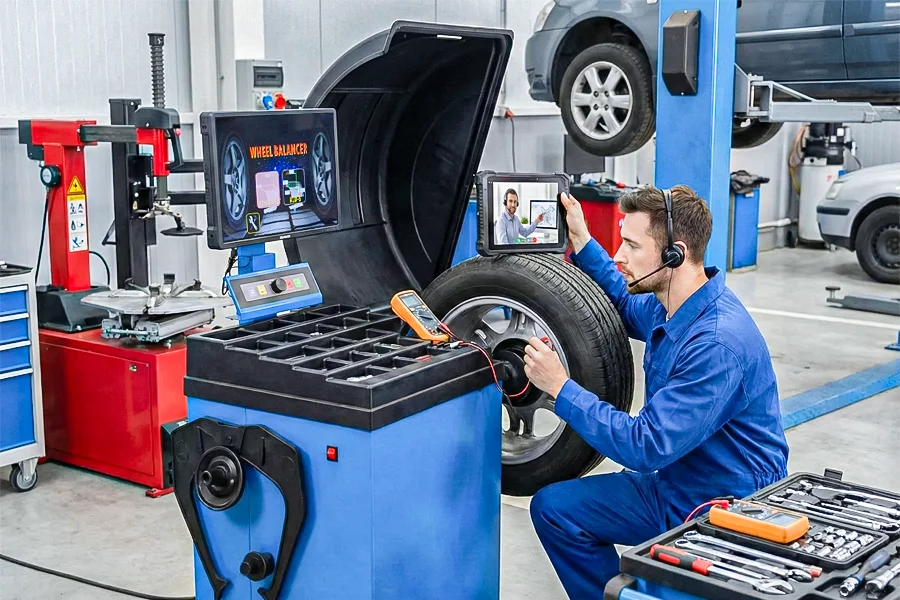
Reviewing a specific product page can help you identify which details should appear in your sourcing brief. Por exemplo, the GF-B2000 wheel balancer lists its applicable vehicle range, rim limits, power supply, measuring time, balancing accuracy, optional accessories, and warranty period.
Where Can You Find Automotive Workshop Equipment Suppliers?
| Sourcing Channel | What You Can Find | Best Used For | What to Verify |
|---|---|---|---|
| Manufacturer Websites | Factory product ranges and technical documents | Direct purchasing and OEM requirements | Whether the company owns or controls production |
| B2B Platforms | Manufacturers, exporters, and trading companies | Building an initial supplier list | Legal identity, factory role, and product documents |
| Regional Distributors | Locally stocked equipment and support services | Smaller orders and possible local installation | Brand authorization and actual service coverage |
| Trade Shows | Manufacturers and distributors in one venue | Product inspection and direct discussions | Follow-up quality and company documentation |
| Industry Directories | Specialized suppliers by product or region | Expanding the search beyond major platforms | Listing accuracy and current business status |
| Industry Referrals | Suppliers used by other workshops or distributors | Learning about delivery and support experience | Whether the reference involves similar equipment |
Manufacturer lists can provide additional names for an initial search, but every company still requires independent verification. This overview of the top car lift manufacturers in 2026 can help buyers compare established brands and product ranges before contacting potential suppliers.
Source Workshop Equipment for Your Business
How Can Trade Shows and Industry Referrals Help?

Trade shows provide direct access to manufacturers and distributors, while industry referrals help buyers learn how suppliers and equipment perform after delivery. Both channels are useful for building and refining an initial supplier list.
Finding Suppliers at Automotive Trade Shows
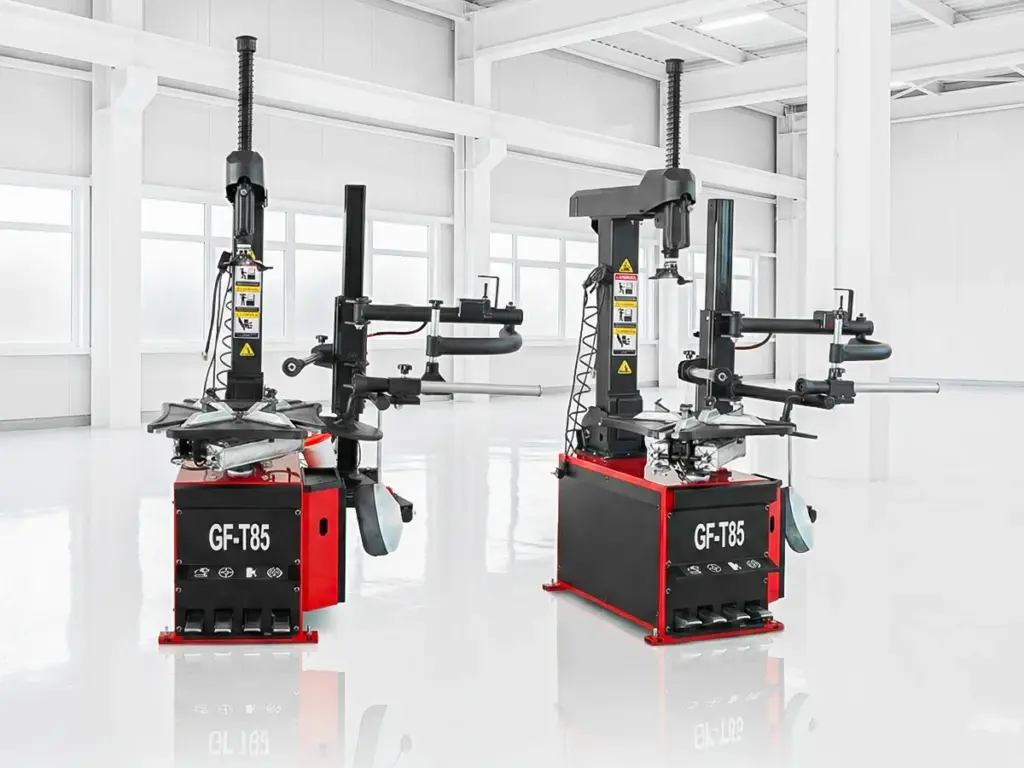
Automotive aftermarket exhibitions bring equipment manufacturers, exporters, and distributors together in one place. Buyers can inspect car lifts, trocadores de pneus, wheel balancers, and alignment machines while discussing specifications and commercial terms directly with company representatives.
Trade shows can help you:
- Inspect equipment in person: Review construction, controls, safety features, accessories, and general ease of operation.
- Compare multiple suppliers: Discuss product ranges, customization options, order quantities, lead times, and available support with several companies during the same event.
- Collect useful documents: Request catalogs, model specifications, compliance information, warranty terms, and company contact details.
- Evaluate follow-up: Contact shortlisted exhibitors after the event to see how clearly and quickly they respond to technical and commercial questions.
A trade-show booth does not prove that a company owns a factory or can provide the promised support. Verify its legal identity, production role, and documentation separately before ordering.
Using Industry Referrals
Recommendations from workshop owners, distributors, repair chains, and fleet operators can reveal information that may not appear in a supplier’s catalog. Ask contacts who have purchased similar equipment about:
- Product reliability during regular workshop use.
- Delivery accuracy and condition on arrival.
- Availability and cost of replacement parts.
- Technical response times.
- Handling of warranty claims or quality problems.
- Whether they would order from the same supplier again.
Referrals are most useful when they come from buyers with similar equipment, order volumes, e requisitos de serviço. Treat them as supporting evidence rather than a substitute for checking the supplier’s business registration, product documents, and contract terms.
What Information Should You Collect from Each Candidate?

Request the same basic information from every candidate so you can confirm product fit, business identity, and commercial terms before adding the supplier to your shortlist.
Product and Company Information
Ask each supplier to provide:
| Information Area | What to Request |
|---|---|
| Company Details | Legal name, registration number, address, business license, website, and contact details |
| Business Type | Manufacturer, exporter, trading company, brand owner, or distributor |
| Product Information | Models, rated capacities, dimensions, power requirements, vehicle or wheel ranges, and available accessories |
| Quality Documentation | Quality-control procedures, inspection records, traceability information, and applicable management-system certificates |
| Market-Specific Documents | Applicable declarations, test reports, certifications, and product labels for the equipment type and destination market |
Document requirements vary by product and country. Por exemplo, European buyers may need applicable CE documentation, while North American buyers should verify model-specific requirements for equipment such as vehicle lifts. The official EU guidance on CE marking explains the manufacturer’s responsibilities for identifying applicable requirements, preparing technical documentation, and issuing an EU Declaration of Conformity.
Commercial and Support Information
Request clear written terms covering:
| Information Area | What to Request |
|---|---|
| Pricing | Unit prices, quantities, payment terms, quotation validity, and included accessories |
| Production and Delivery | Stock status, estimated production time, shipping terms, and target dispatch date |
| Garantia | Coverage period, exclusions, claim procedure, and responsibility for freight and labor costs |
| Peças de reposição | Availability, prices, expected dispatch time, and recommended spare-parts package |
| Suporte Técnico | Remote support, manuals, installation guidance, training materials, and local service availability |
| References | Recent buyers of comparable equipment where disclosure is permitted |
Collecting the same information from each candidate makes it easier to identify incomplete quotations, unclear service commitments, and suppliers that do not fit your basic requirements.
How Can You Check Whether a Supplier Is a Real Business?

Verify the supplier’s legal identity, operating address, business role, and payment details before placing a high-value order. Website content and marketplace badges should be treated as starting points rather than proof of legitimacy.
Verify Registration and Company Documents
Ask the supplier for its full legal company name, registration number, registered address, and business license. Check this information against the relevant official business registry in the supplier’s country.
- Business Registration: Use the supplier’s exact legal name or registration number to confirm its current registration status. Chinese companies can be checked through the National Enterprise Credit Information Publicity System, while UK companies can be searched through Companies House.
- Tax Information: Where applicable, verify VAT or tax numbers through the relevant authority. The company name and address should be consistent with its quotation and invoice.
- Business Scope: Review the registered activities to see whether they cover machinery manufacturing, automotive equipment, import and export, distribution, or related operations. This helps identify the company’s declared role but does not by itself prove production capability.
- Brand Authorization: If the supplier sells equipment under another company’s brand, request evidence that it is authorized to distribute or support those products.
- Document Consistency: Compare the legal name, address, registration number, website, quotation, invoice, and contract for unexplained differences.
Confirm Operations and Payment Details
Registration confirms that a legal entity exists, but buyers should also verify how the company operates and whether it performs the role it claims.
- Address Check: Review the registered and operating addresses using mapping tools, shipping records, or other available sources. An industrial address may support a manufacturing claim, but mapping information alone is not conclusive.
- Live Video Verification: Request a live video call showing the office, warehouse, production area, quality-control process, and current equipment inventory. Ask the representative to show specific models or areas during the call.
- Independent Inspection: For larger orders, consider commissioning a third-party factory or warehouse audit before paying the balance.
- Customer References: Ask for recent references involving similar equipment and order volumes, subject to customer confidentiality.
- Payment Verification: Confirm that the beneficiary name and bank details match the contracting company. If payment is requested through a related company or another account, ask for a written explanation and verify the arrangement independently before transferring funds.
- Trial Order: When practical, begin with a smaller order or one standard unit before committing to a large mixed-equipment or OEM project.
No single document proves that a supplier is reliable. Registration records, operating evidence, product documents, references, and payment details should be reviewed together.
What Should You Send in Your First Inquiry?
A clear first inquiry helps suppliers recommend suitable models and prepare comparable quotations. Include your business type, equipment requirements, order quantity, destination, and support expectations.
Business and Equipment Requirements
Start by briefly introducing your company and purchasing purpose. Explain whether you operate a repair workshop, distribute automotive equipment, manage a workshop chain, or are developing a private-label product line.
Include the following information:
- Equipment Categories: List the required car lifts, trocadores de pneus, wheel balancers, alignment machines, accessories, and quantities.
- Technical Requirements: Specify rated capacity, vehicle or wheel range, voltage, frequency, phase, dimensions, and any required accessories.
- Workshop Constraints: For installation projects, provide available floor space, ceiling height, door positions, columns, power supply, and compressed-air connections.
- Personalização: State whether you need standard models, custom colors, branding, packaging, manuals, or other OEM options.
- Destination Market: Identify the country where the equipment will be sold or installed so the supplier can confirm the appropriate power configuration and available compliance documents.
If you are unsure which model fits your needs, describe the vehicle types, expected workload, and available installation space instead of requesting a specific product.
Commercial and Logistics Requirements
Provide enough commercial information for the supplier to prepare a complete quotation:
- Order Quantity: State the initial quantity and any expected repeat-order volume.
- Delivery Requirements: Include the destination country, delivery address or port, and preferred delivery schedule.
- Shipping Terms: Ask for pricing under a clearly defined Incoterm, such as EXW, FOB, CIF, or another agreed term.
- Quotation Details: Request model numbers, unit prices, included accessories, packaging, estimated production time, quotation validity, and payment terms.
- Product Documents: Ask which manuals, test reports, declarations, certificates, or labels are available for the selected models and destination market.
- Warranty and Parts: Request written warranty terms, claim procedures, recommended spare parts, and expected parts dispatch times.
- Suporte Técnico: Confirm whether installation guidance, remote troubleshooting, training materials, or local service are available.
Providing the same inquiry structure to several suppliers makes their quotations easier to compare and reduces follow-up questions caused by missing specifications.
Perguntas frequentes
Where can I find automotive workshop equipment suppliers?
Locate suppliers through manufacturer websites, regional distributors, global B2B marketplaces, trade shows, and industry directories. The safest sourcing strategy pairs an authorized local distributor with an original manufacturer. A manufacturer may offer direct technical information and OEM options, while a regional distributor may provide local stock, installation, or maintenance. Confirm the exact service scope before ordering.
How do I find automotive equipment manufacturers in China?
Search specialized B2B platforms like Made-in-China and Alibaba. Filter your results strictly for “Verified” or “Audited” suppliers under the “Manufacturer/Factory” business type. Focus your search on established manufacturing hubs like Shandong, Zhengzhou, and Guangdong. Request recent factory audits, official business licenses, and a trial order to confirm you are dealing directly with a factory rather than a trading company.
Are B2B sourcing platforms reliable for workshop equipment?
B2B platforms work well for discovering and comparing suppliers, but reliability depends entirely on the specific seller. These platforms are safest when they connect you with verified manufacturers or authorized distributors. Always take your verification offline before buying. Confirm the seller offers transparent warranty terms, strict safety compliance certifications, and reliable local after-sales support.
How can I verify that an equipment supplier is a real company?
Check official national business registries and cross-reference their tax IDs. Use satellite mapping tools to confirm they operate a real physical facility. Ensure they use a corporate email domain rather than free webmail services. Ask for customer references from active automotive workshops. For high-value equipment, commission a third-party factory audit or pull a corporate credit report.
Should I use a supplier, manufacturer, or sourcing agent?
Choose a local supplier or distributor if you need fast delivery, professional installation, and immediate warranty support. Buy directly from a manufacturer if you are outfitting a large facility and need factory-direct pricing or custom equipment configurations. Hire a sourcing agent if you plan to import from foreign markets and need an expert on the ground to audit factories, run quality control, and handle complex export logistics.
Considerações Finais
Finding a reliable workshop equipment supplier starts with a clear sourcing brief and a broad search across manufacturer websites, B2B platforms, distributors, trade shows, and industry referrals. Before ordering, verify the company’s legal identity, product documents, warranty terms, support scope, and payment details.
Contact our team with your required equipment categories, quantities, technical specifications, and destination market. We can recommend suitable Guorange models and prepare a quotation for your workshop or distribution project.


