
Many auto repair shop owners start thinking about a wheel alignment machine when demand increases.
Some want to bring alignment work in-house instead of outsourcing it.
Others are simply looking for a way to improve workshop efficiency.
Then the question comes up: Is a wheel alignment machine expensive for auto shops in 2026?
In 2026, the answer depends on how your shop operates. Prices can range from a few thousand dollars to over $25,000. But the real cost is not only the purchase price. It also depends on how often you use the machine and how much work it helps you complete each day.
This guide breaks down real equipment pricing, explains why costs vary so widely, and will help you evaluate whether the investment makes sense for your shop.
How Much Does a Wheel Alignment Machine Cost in 2026?
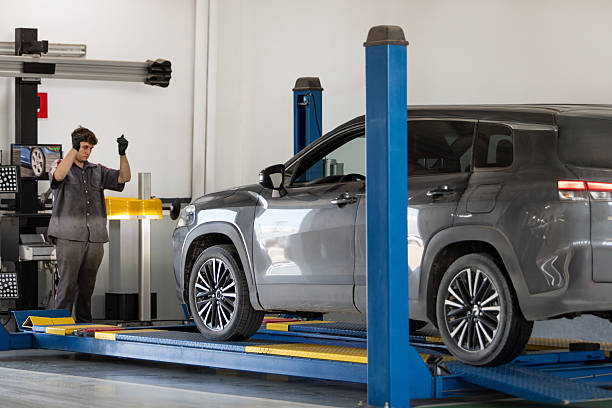
In 2026, wheel alignment machines generally range from around $2,000 to over $30,000, depending on system type, nível de automação, and workshop size. The main difference between price tiers comes down to speed, accuracy, and how much manual work the system eliminates.
To make the differences clearer, here is a breakdown of the main system categories:
| System Tier | Price Range (2026) | Typical Users | Key Value |
|---|---|---|---|
| Entry-Level Systems | $2,000 – $6,000 | Small garages, low-volume shops | Basic alignment capability at lowest cost |
| Mid-Range Systems | $6,000 – $15,000 | Independent repair shops | Balance of speed, accuracy, and cost |
| High-End 3D Systems | $15,000 – $30,000 | Tire centers, high-volume shops | Fast cycle time and high accuracy |
| Dealer / OEM Systems | $30,000+ | Dealerships, fleet centers | Full integration + ADAS workflows |
What Actually Makes Wheel Alignment Machines So Expensive?
The price difference between wheel alignment machines is driven by three main factors: measurement technology, software systems, and modern vehicle requirements.
Measurement Technology and Hardware Complexity
Entry-level systems use CCD or laser-based measurement methods, which require more manual setup and longer operation time. Advanced 3D wheel alignment machines rely on multi-camera optical tracking and passive targets, allowing faster and more precise alignment measurements with less technician input. The more advanced the hardware, the higher the manufacturing and calibration costs.
Software Systems and Workflow Automation
Modern wheel alignment machines depend heavily on software, not just hardware. OEM vehicle databases, guided alignment workflows, and automatic compensation systems all require continuous development and updates. These software systems reduce technician errors and improve efficiency, but also increase long-term development and licensing costs.
ADAS and Modern Vehicle Requirements
New vehicles increasingly require ADAS calibration after alignment work. This forces manufacturers to design systems that meet stricter accuracy standards and integrate with external calibration tools. Supporting these requirements significantly increases both hardware complexity and software development costs.
Entry-Level vs Premium Wheel Alignment Systems
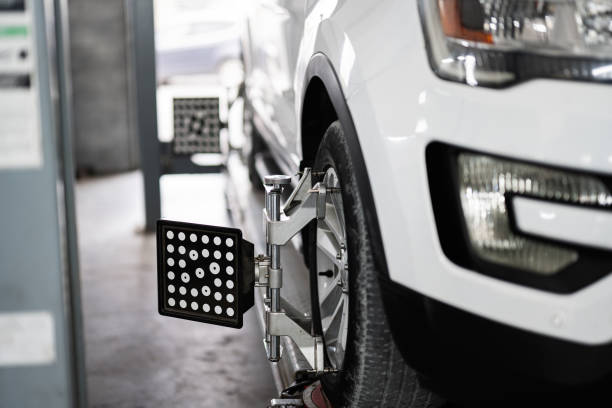
Wheel alignment systems in 2026 generally fall into two categories, depending on how often your shop performs alignments and how much speed and consistency you need in daily operations.
Instead of focusing only on price, the real difference is whether the system is designed for occasional use or a high-throughput workflow.
| Shop Type | Recommended System | Reason |
|---|---|---|
| Small garage / occasional alignment work | Entry-Level System | Lower cost and flexible use for low daily volume |
| Independent repair shop with steady demand | Mid to High-End System | Balances speed, accuracy, and daily workflow efficiency |
| High-volume tire shop or dealership | Premium 3D System | Fast cycle time and consistent OEM-level accuracy |
Key Difference in Real Use
Entry-level systems are better suited for shops that only perform alignments occasionally or want to reduce outsourcing costs. They are flexible but require more manual operation.
Premium systems are designed for workshops where alignment is part of the daily workflow. They reduce setup time, improve consistency between technicians, and support higher vehicle throughput.
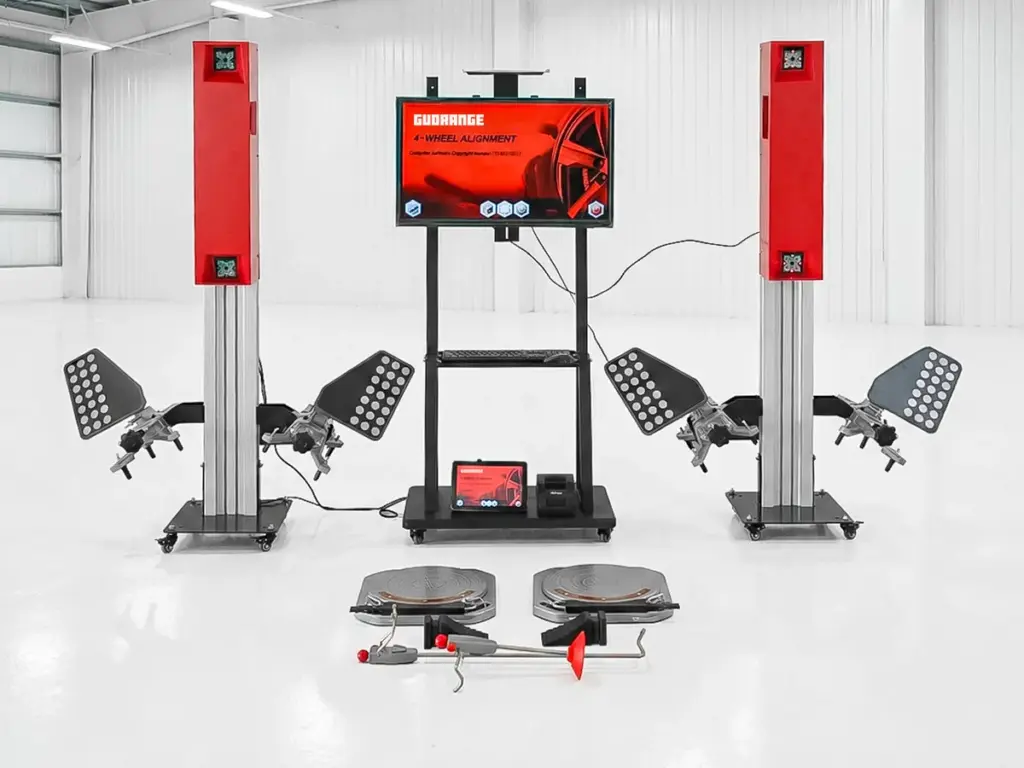
High-Precision 3D Wheel Aligners for Maximum ROI
How Much Revenue Can a Wheel Alignment Machine Generate?
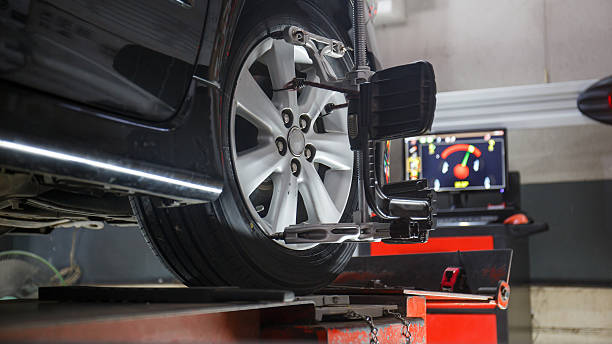
Wheel alignment services are one of the most consistent revenue streams for auto repair shops. The actual income depends on how many vehicles you process each week, how efficiently your workflow runs, and whether you bundle alignments with other services like tire replacement or suspension repair.
| Shop Volume | Weekly Alignments | Estimated Annual Revenue |
|---|---|---|
| Low-volume shop | 5–10 | $25,000 – $50,000 |
| Mid-volume repair shop | 15–30 | $75,000 – $150,000 |
| High-volume tire shop | 40–60+ | $200,000 – $300,000+ |
What Drives Revenue Differences
The biggest difference in revenue is not only pricing per alignment, but also how efficiently your shop can complete each job. A faster system allows technicians to process more vehicles per day without increasing labor hours.
Shops that integrate alignments with tire sales and suspension repairs usually see higher average ticket values, since alignment often becomes part of a larger service package rather than a standalone job.
Why This Matters for Your Investment Decision
Para a maioria das oficinas, alignment equipment is not just a cost item but a capacity tool. The more efficiently your system runs, the more vehicles you can service within the same working hours. This directly affects how quickly the equipment becomes a meaningful part of your shop’s income structure.
How Long Does It Take to See a Return on Investment?
Most auto repair shops recover the cost of a wheel alignment machine within 6 para 18 meses. The actual timeline depends on your daily vehicle volume, eficiência do fluxo de trabalho, and how often you use alignment as part of your core service instead of an occasional add-on.
Payback Speed Depends on Your Daily Volume
If your shop handles a high number of vehicles every day, the payback period is usually much shorter. The machine stays in constant use, and each alinhamento das rodas contributes directly to steady daily revenue.
For mid-volume workshops, the recovery period is more moderate. You will still see consistent usage, but efficiency and scheduling play a bigger role in how fast the investment is recovered.
If you run a low-volume garage, the payback naturally takes longer. In this case, the equipment is often used occasionally rather than as a core part of daily operations.
Efficiency Has a Direct Impact on Payback Time
The speed of your alignment system also affects how quickly you recover your investment. Modern 3D systems significantly reduce setup and measurement time compared to older equipment.
When each job takes less time, you can complete more alignments within the same working hours. This allows your shop to increase output without adding extra labor, which shortens the overall recovery period.
Service Integration Can Improve Utilization
Shops that integrate alignment into tire services, suspension work, or general inspections usually recover costs faster. Instead of treating alignment as a standalone job, it becomes part of a broader service flow. This improves equipment utilization and helps maintain a more consistent daily workload.
Is a Wheel Alignment Machine Worth It for Your Shop?
A wheel alignment machine is worth the investment for many auto repair shops, but not for every situation. The real value depends on how often you perform alignment work, how much sublet volume you currently have, and whether you have enough space and workflow capacity to run the equipment efficiently.
When the Investment Makes Sense
For shops that already handle regular tire services, suspension repairs, or brake work, bringing alignment in-house usually makes strong operational sense. It reduces reliance on external providers and helps you keep more services under one roof.
If you are currently outsourcing alignment work or turning away potential jobs, having your own system can help you capture that lost revenue and improve scheduling flexibility.
When You Should Be More Cautious
If alignment requests are rare in your shop, or your service bay is already fully occupied with higher-priority work, the equipment may not be fully utilized. In that case, the return may be slower, and outsourcing could still be more practical.
Space limitations also matter. A 3D alignment system requires a properly set-up bay with stable flooring and sufficient clearance for accurate measurements.
Final Consideration
The decision is less about the machine itself and more about how well it fits into your daily workflow. Shops with consistent demand and structured service flow tend to benefit the most, while low-utilization environments may struggle to justify the investment.
Considerações Finais
A wheel alignment machine is not just an equipment upgrade. It changes how I manage daily workflow, how efficiently I use bay time, and how much alignment work I keep in-house. Para muitas oficinas, the real decision is less about whether the machine is useful. But more about whether the current demand and capacity can fully support it.
Entry-level systems may fit light-use environments, but they often limit speed and consistency. For workshops that want more stable throughput and faster cycle times, modern 3D solutions are a more practical long-term direction. No Laranja, we design 3D wheel alignment equipment to help workshops improve measurement efficiency, reduce setup time, and better match real service demand.
If you are evaluating an upgrade, get in touch with us to choose a system that fits your workshop properly.
Perguntas frequentes
What is the cheapest wheel alignment machine?
The absolute lowest cost comes from smartphone-based DIY brackets, running $40 para $200. These work for rough pre-checks but do not belong in a commercial shop. For professional environments, the cheapest dedicated alignment tools are portable laser or CCD systems and bolt-on kits. You can expect to pay $2,000 para $6,000 for these setups. They get the job done but lack the speed and automation of full 3D imaging racks, which typically start around $15,000.
Is leasing a machine better than buying?
Leasing makes sense if you want to preserve your initial cash flow or if you plan to upgrade every few years to keep pace with changing ADAS technology. Buying outright or financing is usually the smarter play for heavy, long-term use. If you plan to keep the machine for five to ten years, ownership gives you an asset on the balance sheet, eliminates lease fees, and opens up tax advantages like Section 179 depreciation.
How many alignments does it take to pay off the machine?
Payoff speed comes down to your total initial investment and gross profit per job. If you buy a budget $30,000 system and clear $60 profit per alignment, you need about 500 jobs to break even. A premium $100,000 setup requires roughly 1,000 alignments to reach that same point. Most busy shops reach a full return on investment within 18 para 24 meses, after which the machine becomes a pure profit center.
Are used alignment machines worth it?
Used machines offer excellent value if you find a major brand unit under ten years old priced significantly below a new model. They become a serious liability if the manufacturer no longer supports them or the vehicle database is obsolete. If your shop handles late-model vehicles requiring modern ADAS calibration, an outdated used machine will severely limit your workflow. Buy used only if you can verify support and recent calibration.
Do alignment machine prices include installation?
Most advertised prices cover the hardware alone. Vendors typically bill installation, on-site calibration, technician training, and any required electrical prep separately. You should expect to add $1,000 para $3,000 to the base price for a standard setup. Never assume installation is included unless the distributor explicitly quotes a turnkey package in writing.


