
Eine 3D-Achsvermessungsmaschine kann die Ausrichtungsgeschwindigkeit erheblich steigern, Verbesserung der Messkonsistenz, und helfen Werkstätten dabei, mehr Fahrzeuge pro Tag zu bewältigen. Aber für viele Ladenbesitzer, Die eigentliche Frage ist einfach: Erzielen die höheren Vorabkosten tatsächlich eine ausreichende Rendite?? Die Antwort hängt von Ihrem Ausrichtungsvolumen ab, Workflow-Effizienz, und wie oft Ausrichtungsarbeiten Ihre Buchten verlangsamen.
Was macht eine 3D-Radvermessungsmaschine anders??
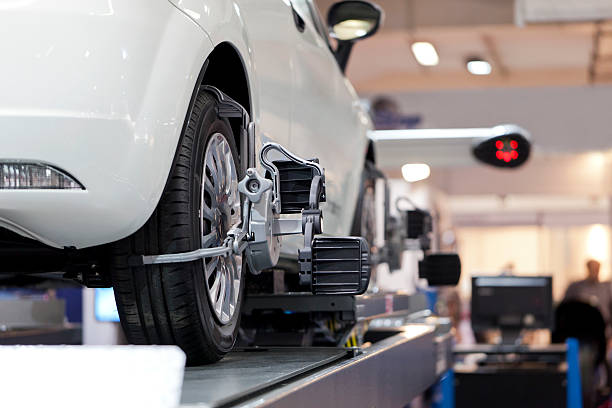
A 3D Achsvermessungsmaschine ist ein Ausrichtungssystem, das mithilfe hochauflösender Kameras und optischer Ziele Radwinkel und Aufhängungsgeometrie in Echtzeit misst.
Im Gegensatz zu herkömmlichen CCD- oder Laserausrichtungsgeräten, die auf kabelgebundenen Sensoren oder manuellen Referenzpunkten basieren, Ein 3D-System verfolgt am Rad montierte Ziele mithilfe mehrerer Kameras, um ein Live-3D-Modell der Ausrichtungsposition des Fahrzeugs zu erstellen.
Diese Technologie reduziert die Rüstzeit erheblich, verbessert die Messkonsistenz, und minimiert Kalibrierungsprobleme, die durch beschädigte Sensoren oder manuelle Einstellfehler verursacht werden. Denn die Targets enthalten keine empfindlichen elektronischen Komponenten, 3D-Systeme sind auch im täglichen Werkstattumfeld langlebiger.
Für vielbeschäftigte Werkstätten, Der größte Vorteil ist ein schnellerer Arbeitsablauf. Techniker können Ausrichtungen effizienter durchführen, Erhöhen Sie den Buchtdurchsatz, und erfüllen die Präzisionsanforderungen moderner ADAS-damit verbundene Reparaturen.
Wie viel kostet eine 3D-Radvermessungsmaschine wirklich??
Die Kosten für eine 3D-Achsvermessungsmaschine können zwischen einigen tausend Dollar und einer kompletten Investition auf Händlerebene liegen, abhängig von der Systemkonfiguration, Automatisierungsgrad, und Werkstattanforderungen.
Einfache Einstiegssysteme beginnen in der Regel bei ca $2,800 Zu $7,000 und sind hauptsächlich für kleinere Werkstätten mit geringerem Ausrichtvolumen konzipiert. Mittelklasse-Systeme, Wird häufig in unabhängigen Reparaturwerkstätten und Reifenservicezentren verwendet, liegen normalerweise dazwischen $7,000 Und $20,000. High-End-Händler- oder Hochleistungs-Gewerbesysteme können darüber hinausgehen $35,000 einmal fortschrittliche Software, ADAS-Unterstützung, und Ausrichtungslifte sind im Lieferumfang enthalten.
Jedoch, Die Maschine selbst ist nur ein Teil der Gesamtinvestition. Die Endkosten steigen oft aufgrund von:
- Ausrichtungslifte und Bay-Upgrades
- Plattenspieler, Radklemmen, und Wagenheber
- Installation und Kalibrierung
- Software-Abonnements und Aktualisierungen der Fahrzeugdatenbank
- Technikerschulung und Wartungsunterstützung
Für viele Werkstätten, Die eigentliche Frage ist nicht der anfängliche Kaufpreis, Aber ob das System genügend zusätzliches Ausrichtungsvolumen und Arbeitseffizienz generieren kann, um die Investition im Laufe der Zeit zu rechtfertigen.
Steigern Sie die Effizienz Ihrer Werkstatt mit 3D-Achsmessgeräten
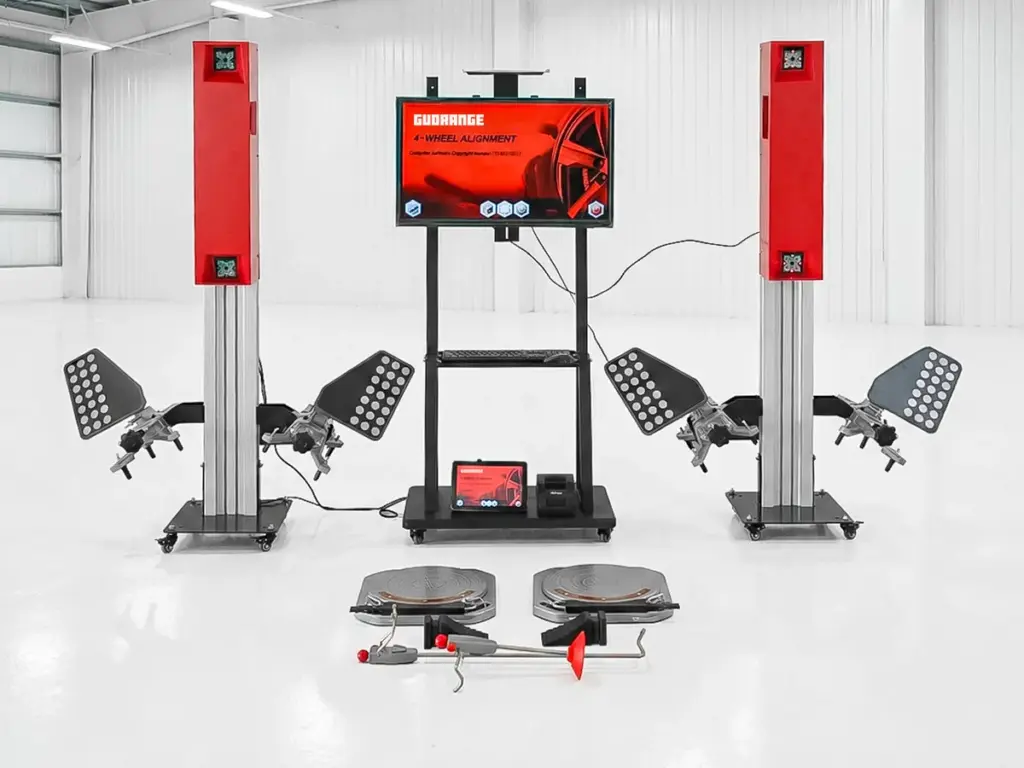
Kann ein 3D-Ausrichtungssystem die Effizienz und Rentabilität der Werkstatt verbessern??
Für geschäftige Werkstätten, Ein 3D-Ausrichtungssystem kann die Arbeitseffizienz und die Hallenauslastung erheblich verbessern. Schnellere Einrichtung, schnellere Messungen, und konsistentere Ausrichtungsergebnisse ermöglichen es Technikern, täglich mehr Fahrzeuge zu bearbeiten, ohne die Arbeitsstunden zu erhöhen.
| Metrisch | Traditionelles System | 3D-Ausrichtungssystem |
|---|---|---|
| Durchschnittliche Ausrichtungszeit | ~60 Minuten | 15–30 Minuten |
| Tägliche Ausrichtungskapazität | 5–6 Fahrzeuge | 6–10 Fahrzeuge |
| Einrichtungsprozess | Mehr Handbuch | Mehr automatisiert |
| Messkonsistenz | Betreiberabhängig | Standardisierter |
Schnellerer Workflow im täglichen Betrieb
Herkömmliche Ausrichtungssysteme erfordern oft eine zeitaufwändige Sensorinstallation und manuelle Kalibrierung. Ein 3D-System vereinfacht diesen Prozess durch kamerabasierte Messung und Schnellspannziele.
Anstatt übermäßig viel Zeit mit dem Einrichten der Ausrüstung zu verbringen, Techniker können Fahrzeuge effizienter durch die Halle bewegen und sich auf Anpassungsarbeiten konzentrieren. In großvolumigen Geschäften, Eine Reduzierung der Ausrichtungszeit um sogar 20–30 Minuten pro Fahrzeug kann den täglichen Durchsatz spürbar verbessern.
Konsistentere Ausrichtungsergebnisse
3D-Systeme reduzieren viele der häufigen Probleme, die mit älteren Ausrichtungsgeräten verbunden sind, einschließlich Sensordrift und inkonsistenter manueller Einrichtung.
Visuelle Führung in Echtzeit und automatisierte Messungen tragen dazu bei, den Ausrichtungsprozess zwischen Technikern zu standardisieren, Dies kann Kundenrückmeldungen aufgrund von Lenkzug oder ungleichmäßigem Reifenverschleiß reduzieren.
Höhere Buchtauslastung
Ein schneller Achsvermessung Der Workflow ermöglicht es Werkstätten, Fahrzeuge effizienter durch die Halle zu bewegen und die Belegungszeiten der Aufzüge zu verkürzen. Wenn Techniker weniger Zeit mit Einrichtung und Messung verbringen, Das Ausrichtungsgestell steht den ganzen Tag über für zusätzliche Reparaturarbeiten zur Verfügung.
Für vielbeschäftigte Reifenhändler, Flottenservicezentren, und Reparatureinrichtungen mit mehreren Feldern, Dies kann den gesamten Werkstattdurchsatz erheblich verbessern. Werkstätten, die bisher Ausrichtungsarbeiten ausgelagert haben, können auch davon profitieren, den Service intern zu übernehmen, um Terminverzögerungen zu reduzieren und mehr Reparatureinnahmen zu erzielen.
Zusätzliche Reparaturmöglichkeiten für Aufhängung und Lenkung
Bei der Inspektion der Achsvermessung werden häufig verschlissene Aufhängungs- und Lenkungskomponenten sichtbar, die andernfalls bei der routinemäßigen Wartung unbemerkt bleiben würden. Probleme wie verschlissene Spurstangen, beschädigte Kugelgelenke, oder beschädigte Querlenkerbuchsen werden häufig während des Ausrichtungsprozesses identifiziert.
Aus diesem Grund, Ausrichtungsleistungen führen häufig zu zusätzlichen Reparaturarbeiten und höheren durchschnittlichen Reparaturaufträgen. Für Werkstätten mit konstantem Ausrichtungsbedarf, Die Kombination aus verbesserter Effizienz und größeren Reparaturmöglichkeiten kann dazu beitragen, die Ausrüstungsinvestitionen im Laufe der Zeit auszugleichen.
Ist die richtige 3D-Radvermessungsmaschine für Ihre Werkstatt??
Ob sich die Investition in eine 3D-Achsvermessungsmaschine lohnt, hängt weitgehend vom Achsvermessungsvolumen Ihrer Werkstatt ab, verfügbaren Platz, und täglichen Arbeitsablauf. Für geschäftige Werkstätten, Die Steigerung der Geschwindigkeit und der Buchteffizienz kann langfristig einen hohen Wert generieren. Für Operationen mit geringerem Volumen, Jedoch, Die Rückkehr kann viel langsamer sein.
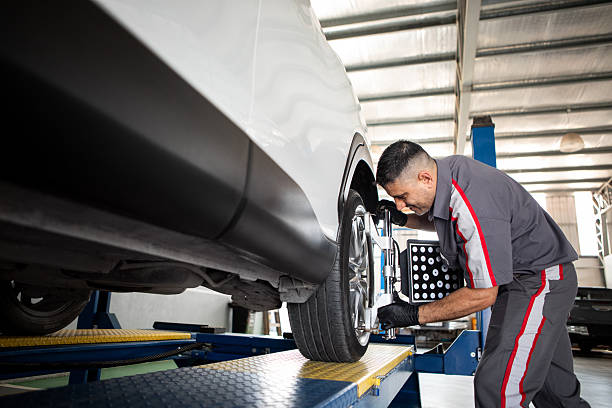
Das tägliche Ausrichtungsvolumen ist wichtig
Werkstätten mit hohem Volumen profitieren am meisten von schnelleren Einrichtungs- und Messzeiten. Wenn Techniker die Ausrichtung in 15 bis 30 Minuten statt in fast einer Stunde durchführen können, Die Gesamtkapazität der Buchten verbessert sich erheblich.
Dies ist besonders wertvoll für Werkstätten, die regelmäßig arbeiten:
- Reifenwechsel
- Reparatur der Aufhängung
- Flottenwartung
- Wartung des Lenksystems
Für Geschäfte, die nur gelegentliche Ausrichtungen durchführen, Jedoch, Es kann viel länger dauern, bis sich die anfänglichen Ausrüstungsinvestitionen amortisieren.
Platz- und Installationsanforderungen
3D-Ausrichtungssysteme erfordern eine stabile und ordnungsgemäß konfigurierte Arbeitsumgebung. Die meisten Setups benötigen eine ebene Ausrichtungsbucht, ausreichend Durchfahrtsfreiheit, und genügend Platz für Kameratürme oder Traversensysteme.
Auch schlechte Bodenverhältnisse können die Messgenauigkeit beeinträchtigen, Vibration, unsachgemäße Hebeeinrichtung, oder eingeschränkte Sichtbarkeit der Kamera. Vor dem Upgrade, Geschäfte sollten prüfen, ob ihr aktueller Arbeitsplatz das System ordnungsgemäß unterstützen kann.
Den wahren ROI verstehen
Der Wert eines 3D-Ausrichtungssystems geht über die reine Ausrichtungsgeschwindigkeit hinaus. Durch einen schnelleren Arbeitsablauf können Geschäfte ihren täglichen Durchsatz steigern, Reduzieren Sie die Belegungsdauer des Aufzugs, und mehr Ausrichtungsarbeiten im eigenen Haus durchführen.
Digitale Ausrichtungsberichte können auch die Kundenkommunikation verbessern, indem sie Vorher-Nachher-Messungen klar darstellen. In vielen Fällen, Ausrichtungsinspektionen helfen Technikern dabei, Aufhängungs- oder Lenkungsprobleme zu erkennen, die zusätzliche Reparaturarbeiten erfordern.
Jedoch, Der tatsächliche ROI hängt stark von der täglichen Nutzung ab. Betriebe mit inkonsistentem Ausrichtungsbedarf nutzen die Ausrüstung möglicherweise nicht ausreichend aus, um die Investition zu rechtfertigen.
Die Erfahrung des Technikers ist immer noch wichtig
Moderne 3D-Systeme vereinfachen viele Teile des Ausrichtungsprozesses durch automatisierte Messungen und softwaregesteuerte Anpassungen. Dies kann dazu beitragen, die Ergebnisse zwischen den Technikern zu standardisieren und einrichtungsbedingte Fehler zu reduzieren.
Gleichzeitig, Die Ausrüstung ersetzt nicht mechanische Kenntnisse. Richtige Fahrzeugeinrichtung, Zielplatzierung, Inspektion der Aufhängung, und Anpassungsverfahren hängen immer noch von der Erfahrung des Technikers ab.
Wenn ein einfacheres System sinnvoller ist
Nicht jede Werkstatt benötigt eine vollständige 3D-Ausrichtungseinrichtung. Für Geschäfte mit begrenzter Grundfläche oder geringem Ausrichtungsbedarf, Einfachere Ausrichtungsgeräte können für grundlegende Servicearbeiten dennoch ausreichend sein. In einigen Fällen, Die Auslagerung von Ausrichtungen an spezialisierte Einrichtungen bleibt möglicherweise die praktischere und kostengünstigere Lösung.
So wählen Sie die richtige 3D-Ausrichtungsmaschine aus
Auswahl einer 3D-Ausrichtungsmaschine Dabei geht es nicht nur um den Vergleich von Spezifikationen. Die tatsächliche Leistung hängt davon ab, wie gut es in den Arbeitsablauf Ihrer Werkstatt passt, Volumen, und Arbeitsumfeld. Selbst fortschrittliche Systeme können ihre Leistung nicht erbringen, wenn sie nicht den realen Betriebsbedingungen entsprechen.
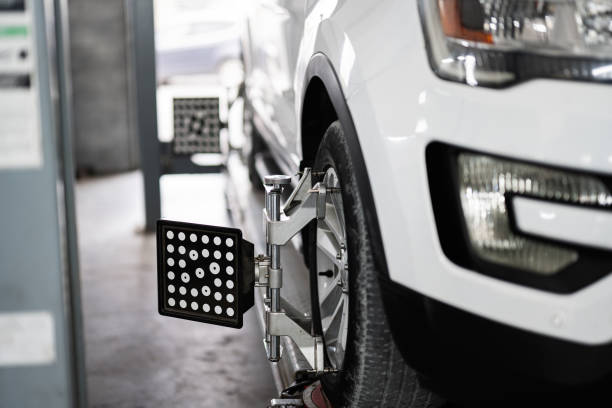
Passen Sie das System an Ihre Werkstatt an
Der erste Schritt besteht darin, sicherzustellen, dass das System zu Ihrem physischen Arbeitsplatz und Ihrer Servicestruktur passt. Sie müssen Faktoren wie die Buchtgröße berücksichtigen, Aufzugtyp, und die Mischung der Fahrzeuge, an denen Sie arbeiten, da sich all dies direkt auf die tägliche Effizienz auswirkt.
Zum Beispiel, wenn Ihre Werkstatt über begrenzte Platzverhältnisse verfügt, Möglicherweise benötigen Sie eine kompaktere oder flexiblere Konfiguration. Wenn Sie eine Reifen- oder Servicewerkstatt mit hohem Volumen betreiben, Ein festes System, das für einen kontinuierlichen Arbeitsablauf konzipiert ist, ist möglicherweise besser geeignet. Sie sollten auch darüber nachdenken, ob Sie SUVs regelmäßig warten, leichte Lkw, oder Fahrzeuge mit langem Radstand, da dies Auswirkungen auf die Systemkompatibilität hat.
Berücksichtigen Sie die langfristigen Betriebskosten
Der anfängliche Kaufpreis ist nur ein Teil Ihrer Investition. Im Laufe der Zeit, Software-Updates, Kalibrierungsanforderungen, Wartungspläne, und Ersatzkomponenten tragen alle zu Ihren Gesamtbetriebskosten bei.
Auch unter realen Werkstattbedingungen spielt die Haltbarkeit eine Rolle. Sie sollten Komponenten wie Kameras erwarten, Radklemmen, und Ziele, um der täglichen Handhabung standzuhalten, Vibration, und Staubbelastung ohne häufige Neukalibrierung oder Austausch.
Bewerten Sie Software und technischen Support
Moderne 3D-Ausrichtungssysteme hängen stark von der Softwareleistung ab. Regelmäßige Datenbankaktualisierungen, Fahrzeugabdeckung, und Systemstabilität wirken sich direkt auf Ihren täglichen Arbeitsablauf und Ihre Ausrichtungsgenauigkeit aus.
Ebenso wichtig ist der technische Support. Schnelle Installation, richtige Ausbildung, und ein reaktionsschneller After-Sales-Service kann einen spürbaren Unterschied darin machen, wie schnell Ihr Team produktiv wird. Selbst High-End-Geräte können ineffizient werden, wenn der Support verzögert oder inkonsistent ist. Für die meisten Werkstätten, Zuverlässige Software und starker Service-Support sind ebenso wichtig wie die Hardware selbst.
Empfohlene Guorange-Modelle
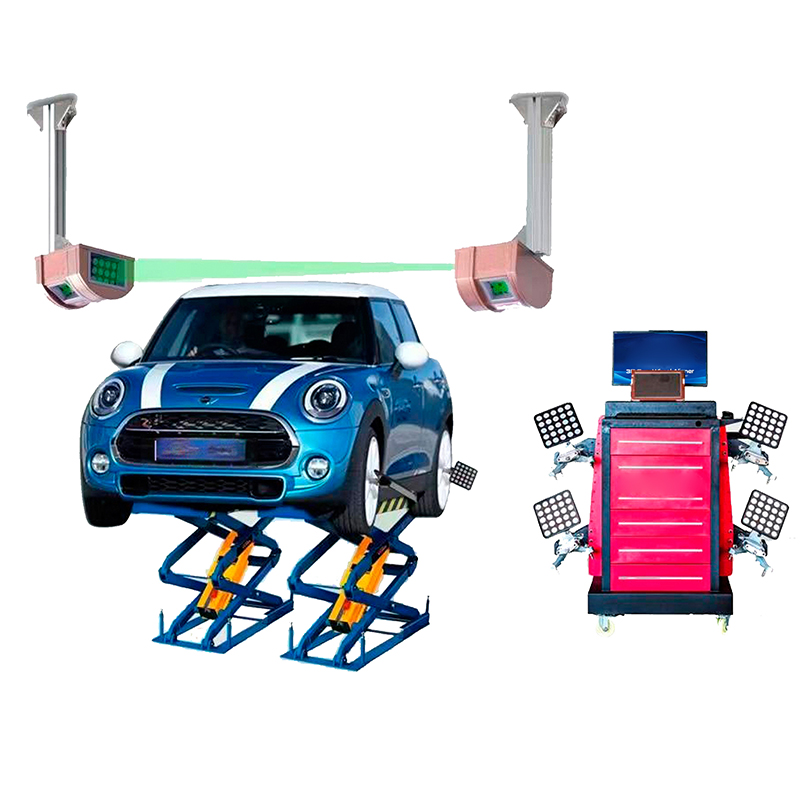
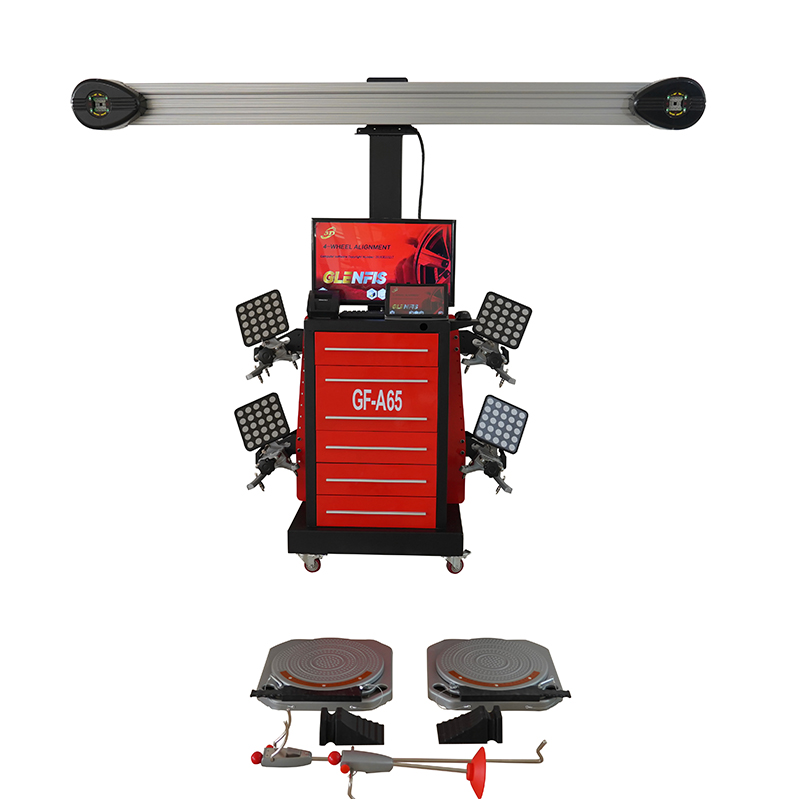
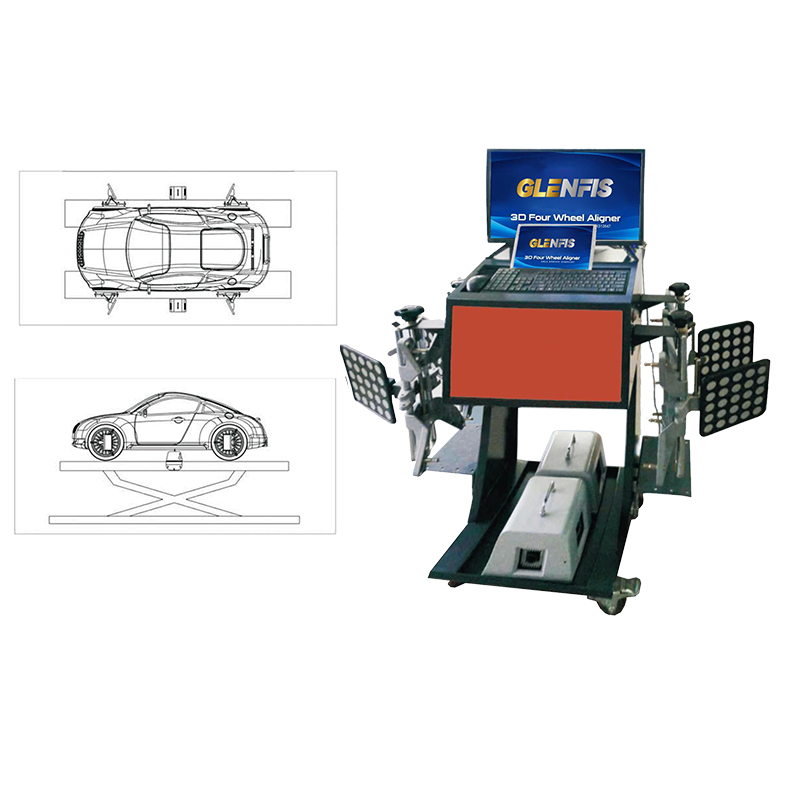
Entdecken Sie drei professionelle 3D-Achsvermessungsmaschinen, die zur Verbesserung der Messgenauigkeit entwickelt wurden, Workflow-Effizienz, und tägliche Produktivität in der Werkstatt:
Letzte Gedanken
Für Werkstätten mit konstantem Ausrichtungsbedarf, Eine 3D-Achsvermessungsmaschine kann die Effizienz der Arbeitsabläufe erheblich verbessern, Erhöhen Sie den täglichen Buchtdurchsatz, und kostspielige Alignment-Comebacks reduzieren. Während herkömmliche CCD-Systeme möglicherweise niedrigere Vorabkosten bieten, Moderne 3D-Ausrichtungstechnologie sorgt für schnellere Messungen, konsistentere Ergebnisse, und bessere Unterstützung für die heutigen mit ADAS ausgestatteten Fahrzeuge.
Das richtige System, Jedoch, sollte der tatsächlichen Auslastung Ihres Shops entsprechen, verfügbaren Platz, und Serviceanforderungen. Die Auswahl von Geräten nur auf der Grundlage des Preises führt häufig zu langsameren Arbeitsabläufen, eingeschränkte Kompatibilität, und höhere langfristige Betriebskosten.
Bei Guorange, Wir konzentrieren uns auf das Praktische Werkstattlösungen konzipiert für den echten Alltagsbetrieb. Unsere Ausrichtungsgeräte sind auf stabile Leistung ausgelegt, effizienter Arbeitsablauf, und zuverlässige Langzeitunterstützung für moderne Werkstätten und Reifenservice-Center.
Entdecken Sie Guoranges 3D-Achsausrichtungslösungen und Sprechen Sie mit unserem Team um das richtige Setup für Ihre Werkstatt zu finden, Aufzugskonfiguration, und tägliches Servicevolumen.
Häufig gestellte Fragen
Warum ist 3D bei der Achsvermessung schneller als CCD??
3D-Systeme verwenden feste Kameras und sind leicht, passive Ziele anstelle der schweren elektronischen Sensorköpfe, die in CCD-Setups zu finden sind. Dadurch entfällt die Notwendigkeit einer aufwendigen Montage, zerbrechliche Hardware an jedem Rad. Sobald Sie die Ziele montiert haben, Die Kameras erfassen die Fahrzeuggeometrie sofort. Techniker verbringen weniger Zeit damit, im Auto herumzulaufen, um Sensoren einzustellen und Kabel zu überprüfen, Reduzierung der physikalischen Messphase auf Minuten.
Ist für die 3D-Ausrichtung ein spezieller Aufzug erforderlich??
Sie benötigen keine proprietäre Aufzugsmarke, Sie benötigen jedoch unbedingt eine Plattform mit Ausrichtungsqualität. Dabei handelt es sich in der Regel um eine Vier-Säulen- oder Scherenhebebühne mit ebenen Fahrbahnen, vordere Wendeplatten, und hintere Gleitplatten. Das System erfordert eine vollkommen gerade und ebene Oberfläche innerhalb enger Toleranzen. Einige neuere mobile 3D-Systeme können mit einer Standard-Zwei-Säulen-Hebebühne betrieben werden, Vorausgesetzt, die Kameras behalten freie Sicht und das Fahrzeug bleibt während des Vorgangs völlig stabil.
Ist 3D genauer als die Laserausrichtung??
Ja. Moderne 3D-Bildgebungssysteme bieten durchweg eine höhere Genauigkeit und eine bessere Wiederholbarkeit. Herkömmliche Lasersysteme basieren auf elektronischen Neigungsmessern und Lasern, die unter mechanischer Sensordrift leiden, manuelle Nivellierungsfehler, und Strahlbehinderungen. Durch den Einsatz passiver Radziele und automatisierter Softwareberechnungen, 3Die D-Technologie eliminiert die Variablen menschlicher Einrichtungsfehler und zerbrechlicher Elektronik am Lenkrad.
Wie viel Gewinn bringt die 3D-Ausrichtung??
Ausrichtungen laufen mit einer Bruttomarge von ca 75%. Denn 3D-Systeme beschleunigen Ihren Arbeitsablauf enorm, Ihr täglicher Regaldurchsatz erhöht sich. Die Durchführung von nur zwei zusätzlichen Ausrichtungen pro Tag generiert mehr $39,000 im inkrementellen jährlichen Bruttogewinn. Die meisten aktiven Geschäfte erhalten ihre gesamte Kapitalinvestition zurück 18 Zu 24 Monate, Damit wird die Ausrichtung zu einer der margenstärksten Dienstleistungen auf dem Markt.
Welche Wartung braucht eine 3D-Kamera??
Sie müssen optische Klarheit und strukturelle Stabilität wahren. Techniker müssen die Kameraobjektive und die passiven Radziele regelmäßig mit weichen Mikrofasermaterialien reinigen. Staub oder Fett auf den Linsen beeinträchtigen direkt die Bildqualität und Messgenauigkeit. Sie müssen außerdem die Kamerahalterungen auf lockere Teile prüfen, um mechanische Abweichungen zu verhindern, und geplante Systemkalibrierungen mit vom Hersteller bereitgestellten Vorrichtungen durchführen.


