
3Dホイールアライメントマシンはアライメント速度を劇的に向上させます, 測定の一貫性を向上させる, ワークショップが 1 日あたりより多くの車両を処理できるように支援します. しかし、多くの店主にとって, 本当の質問は簡単です: 初期費用が高くても実際に十分な利益が得られるのか? 答えはアライメントボリュームによって異なります, ワークフローの効率化, 調整作業によってベイの速度が低下する頻度.
3D ホイール アライメント マシンの違い?
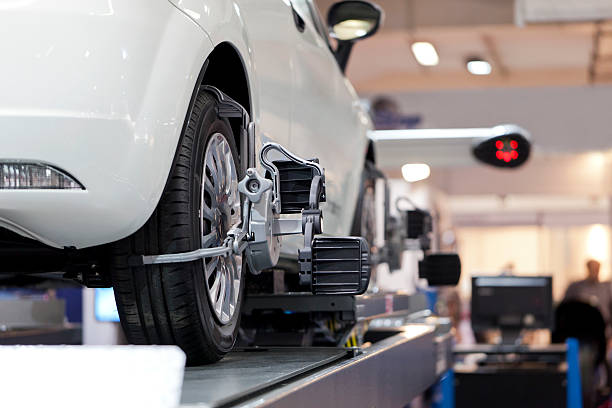
あ 3Dホイールアライメントマシン 高解像度カメラと光学ターゲットを使用してホイール角度とサスペンション形状をリアルタイムで測定するアライメント システムです。.
有線センサーや手動基準点に依存する従来の CCD またはレーザー位置合わせ装置とは異なります。, 3D システムは、複数のカメラを通じてホイールに取り付けられたターゲットを追跡し、車両のアライメント位置のライブ 3D モデルを作成します。.
このテクノロジーによりセットアップ時間が大幅に短縮されます, 測定の一貫性を向上させる, センサーの損傷や手動調整エラーによって引き起こされる校正の問題を最小限に抑えます。. ターゲットには敏感な電子部品が含まれていないため、, 3D システムは、日常のワークショップ環境においても耐久性が向上しています。.
忙しい修理工場向け, 最大の利点はワークフローの高速化です. 技術者はより効率的に調整を完了できます, ベイのスループットを向上させる, 現代の製品に必要な精度要件を満たします。 ADAS-関連する修理.
3D ホイールアライメントマシンの実際のコストはいくらですか?
3D ホイール アライメント マシンのコストは、数千ドルから完全なディーラー レベルの投資までさまざまです。, システム構成に応じて, 自動化レベル, およびワークショップの要件.
基本的なエントリーレベルのシステムは通常、次のようなところから始まります。 $2,800 に $7,000 主にアライメント量が少ない小規模なワークショップ向けに設計されています。. ミッドレンジシステム, 独立した修理工場やタイヤサービスセンターで一般的に使用されています, 通常は間にあります $7,000 そして $20,000. ハイエンドのディーラーや頑丈な商用システムは、 $35,000 かつては先進的なソフトウェア, ADASのサポート, アライメントリフトも付属.
しかし, 機械自体は投資総額の一部にすぎません. 最終コストが増加する場合が多いのは、:
- アライメントリフトとベイのアップグレード
- ターンテーブル, ホイールクランプ, そしてローリングジャッキ
- 設置と校正
- ソフトウェアのサブスクリプションと車両データベースの更新
- 技術者のトレーニングとメンテナンスのサポート
たくさんのワークショップに, 本当の問題は最初の購入価格ではありません, しかし、そのシステムが時間の経過とともに投資を正当化するのに十分な追加の調整量と労働効率を生み出すことができるかどうか.
3D ホイール アライナーでワークショップの効率を向上
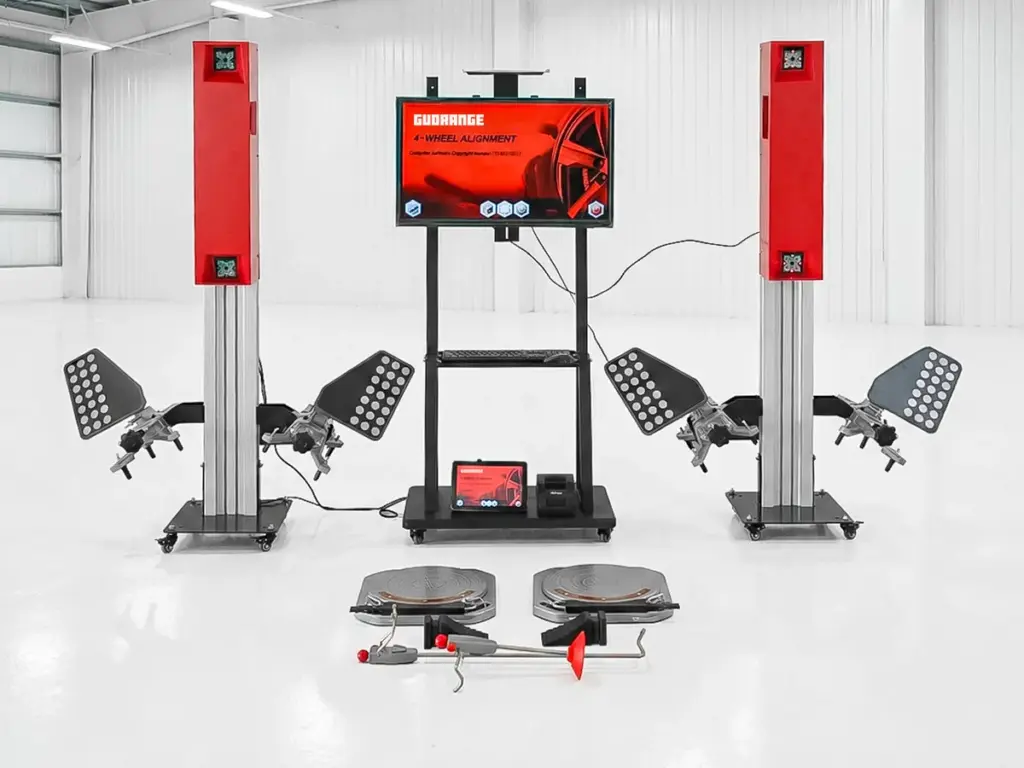
3D アライメント システムは店舗の効率と収益性を向上できるか?
忙しいワークショップ向け, 3D アライメント システムにより、ワークフローの効率とベイの使用率が大幅に向上します。. セットアップの高速化, より迅速な測定, より一貫したアライメント結果により、技術者は労働時間を増やすことなく、より多くの車両を毎日処理できるようになります。.
| メトリック | 従来のシステム | 3D アライメントシステム |
|---|---|---|
| 平均アライメント時間 | ~60分 | 15–30分 |
| 毎日の調整能力 | 5–6台の車両 | 6–10台の車両 |
| セットアッププロセス | 詳しいマニュアル | さらなる自動化 |
| 測定の一貫性 | オペレータ依存 | より標準化された |
日常業務におけるワークフローの高速化
従来のアライメント システムでは、多くの場合、時間のかかるセンサーの取り付けと手動によるキャリブレーションが必要になります。. 3D システムは、カメラベースの測定とクイッククランプターゲットを通じてこのプロセスを簡素化します。.
機器のセットアップに余分な時間を費やす代わりに, 技術者は湾内で車両をより効率的に移動させ、調整作業に集中できる. 量販店では, 車両 1 台あたりの調整時間を 20 ~ 30 分でも短縮することで、1 日のスループットを大幅に向上させることができます。.
より一貫した位置合わせ結果
3D システムは、古いアライメント機器に関連する一般的な問題の多くを軽減します, センサーのドリフトや一貫性のない手動セットアップを含む.
リアルタイムの視覚的なガイダンスと自動測定により、技術者間の調整プロセスの標準化に役立ちます, これにより、ステアリングの引っ張りやタイヤの不均一な摩耗に関連する顧客のリピートが減少する可能性があります。.
ハイアーベイの利用率
より速い ホイールアライメント ワークフローにより、店舗は湾内で車両をより効率的に移動させ、エレベーターの占有時間を短縮できます。. 技術者がセットアップと測定に費やす時間が短縮される場合, アライメントラックは、一日中追加の修理作業に利用できます.
多忙なタイヤショップ向け, フリートサービスセンター, およびマルチベイ修理施設, これにより、ワークショップ全体のスループットが大幅に向上します。. これまでアライメント作業を外注していたショップも、サービスを社内に導入することでスケジュールの遅れを減らし、より多くの修理収益を確保できる可能性があります。.
追加のサスペンションとステアリングの修理機会
ホイールアライメント検査では、通常の整備では気付かない可能性のある摩耗したサスペンションやステアリングコンポーネントが見つかることがよくあります. タイロッドの磨耗などの問題, 破損したボールジョイント, コントロール アーム ブッシュや劣化したコントロール アーム ブッシュは、調整プロセス中によく特定されます。.
このため, アライメントサービスにより、追加の修理作業が発生し、平均的な修理注文が高くなることがよくあります. 一貫したアライメント要求があるワークショップ向け, 効率の向上と修理の機会の増加を組み合わせることで、時間の経過とともに設備投資を相殺することができます。.
あなたのワークショップに最適な 3D ホイール アライメント マシンはありますか?
3D ホイール アライメント マシンが投資に値するかどうかは、ショップのアライメント量に大きく依存します。, 利用可能なスペース, そして日々のワークフロー. 忙しいワークショップ向け, 速度とベイ効率の向上により、長期的に強力な価値を生み出すことができます. 少量の操作の場合, しかし, 戻りははるかに遅くなる可能性があります.
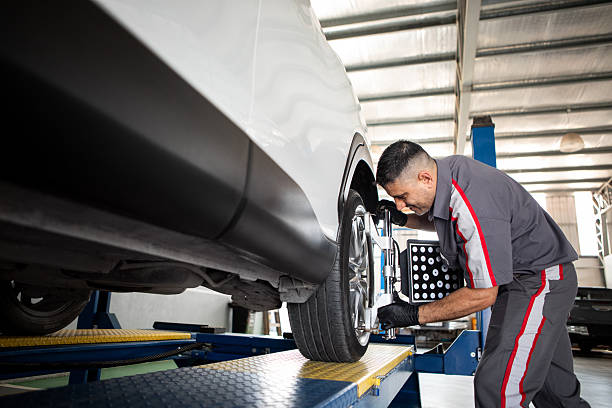
毎日の調整量が重要
大量生産を行う店舗は、セットアップと測定にかかる時間の短縮により最大のメリットを得ることができます。. 技術者が 1 時間近くかかる調整を 15 ~ 30 分で完了できる場合, 全体的なベイ容量が大幅に向上.
これは、定期的に処理を行うワークショップにとって特に価値があります。:
- タイヤ交換
- サスペンション修理
- 車両整備
- ステアリングシステムサービス
時々調整のみを行うショップ向け, しかし, 初期設備投資を回収するにはさらに時間がかかる可能性がある.
スペースと設置要件
3D アライメント システムには、安定した適切に設定された作業環境が必要です. ほとんどのセットアップにはレベル調整ベイが必要です, 十分なドライブスルークリアランス, カメラタワーまたはクロスビームシステム用の十分なスペース.
測定精度は床の状態が悪い場合にも影響を受ける可能性があります, 振動, 不適切なリフトのセットアップ, またはカメラの可視性が制限されている. アップグレードする前に, 店舗は、現在のワークスペースがシステムを適切にサポートできるかどうかを評価する必要があります。.
本当のROIを理解する
3D アライメント システムの価値はアライメント速度だけではありません. ワークフローの高速化により、店舗の 1 日あたりのスループットが向上します, エレベーターの占有時間を短縮する, 社内での調整作業をさらに増やす.
デジタルアライメントレポートは、測定前後の測定を明確に示すことで、顧客とのコミュニケーションを改善することもできます。. 多くの場合, アライメント検査は、技術者が追加の修理作業が必要なサスペンションやステアリングの問題を特定するのに役立ちます.
しかし, 実際のROIは毎日の使用量に大きく依存します. アライメント需要が一貫していない店舗では、投資に見合った設備を十分に活用できない可能性があります。.
技術者の経験は依然として重要
最新の 3D システムは、自動測定とソフトウェアガイドによる調整により、位置合わせプロセスの多くの部分を簡素化します。. これにより、技術者間で結果を標準化し、セットアップ関連のエラーを減らすことができます。.
同時に, 機器は機械的な知識に代わるものではありません. 適切な車両セットアップ, ターゲットの配置, サスペンション検査, 調整手順は依然として技術者の経験に依存します.
シンプルなシステムがより合理的な場合
すべてのワークショップで完全な 3D アライメント設定が必要なわけではありません. 床面積が限られている、または配置の需要が低い店舗向け, 基本的なサービス作業には、より単純な位置合わせ装置でも十分な場合があります. 場合によっては, 調整を専門施設にアウトソーシングすることは、依然としてより実用的で費用対効果の高いソリューションである可能性があります.
適切な 3D アライメントマシンの選び方
3Dアライメントマシンの選択 単にスペックを比較するだけではありません. 実際のパフォーマンスは、ワークショップのワークフローにどれだけ適合するかによって決まります, 音量, そして作業環境. 高度なシステムであっても、実際の動作条件と一致しない場合は機能しない可能性があります.
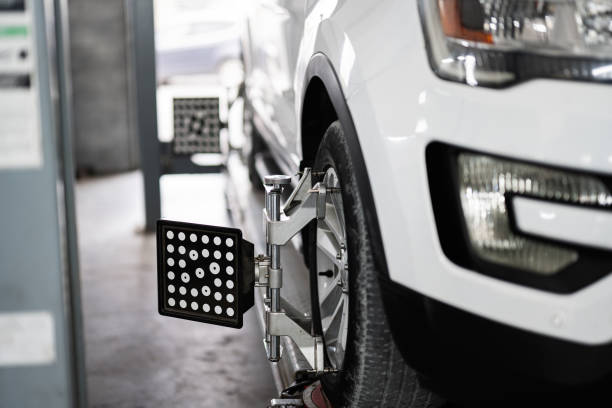
システムをワークショップに適合させる
最初のステップは、システムが物理的なワークスペースとサービス構造に適合していることを確認することです. ベイサイズなどの要素を考慮する必要があります, リフトタイプ, 作業する車両の組み合わせ, これらはすべて毎日の効率に直接影響するため、.
例えば, ワークショップのスペースが限られている場合, よりコンパクトまたは柔軟な構成が必要な場合があります. 大量のタイヤやサービスショップを経営している場合, 継続的なワークフロー向けに設計された固定システムの方が適している可能性があります. SUV を定期的に整備するかどうかも考慮する必要があります。, 軽トラック, またはロングホイールベース車, これはシステムの互換性に影響するため.
長期的な運用コストを考慮する
初期購入価格は投資の一部にすぎません. 時間とともに, ソフトウェアのアップデート, 校正要件, メンテナンススケジュール, 交換用コンポーネントはすべて総所有コストに貢献します.
実際のワークショップ条件では耐久性も重要です. カメラなどのコンポーネントを期待する必要があります, ホイールクランプ, 日常の取り扱いに耐えられるようにすることを目標としています, 振動, 頻繁な再校正や交換を必要とせず、塵埃にさらされることもありません.
ソフトウェアとテクニカル サポートを評価する
最新の 3D アライメント システムはソフトウェアのパフォーマンスに大きく依存しています。. 定期的なデータベースの更新, 車両補償範囲, システムの安定性は、日常のワークフローとアライメントの精度に直接影響します。.
技術サポートも同様に重要です. 素早いインストール, 適切なトレーニング, 応答性の高いアフターサービスは、チームの生産性向上に顕著な違いをもたらします。. ハイエンド機器であっても、サポートが遅れたり一貫性がなかったりすると、非効率になる可能性があります。. ほとんどのワークショップでは, 信頼性の高いソフトウェアと強力なサービス サポートは、ハードウェア自体と同じくらい重要です.
Guorangeの推奨モデル
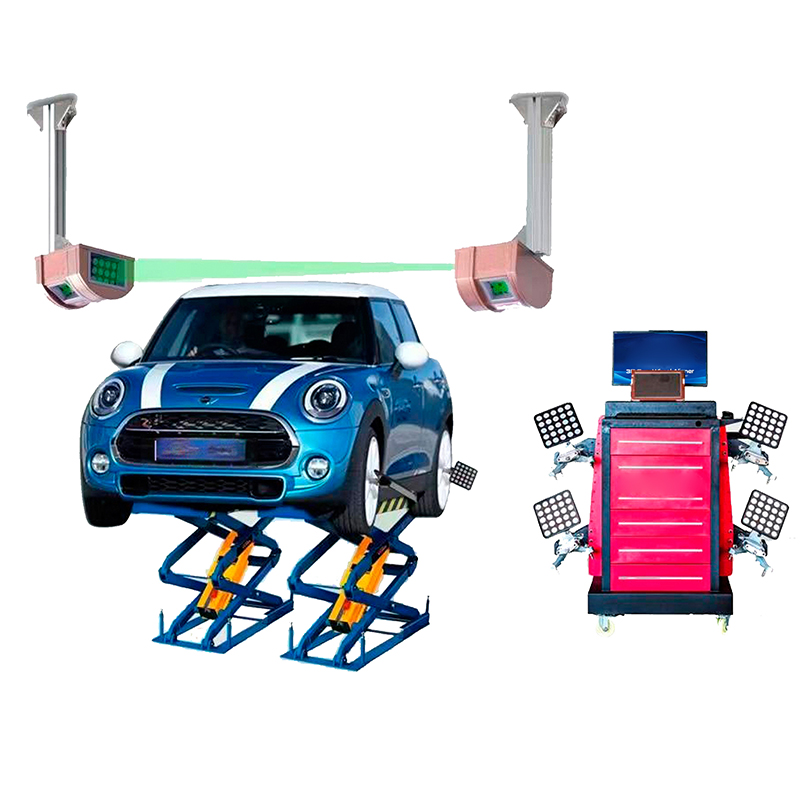
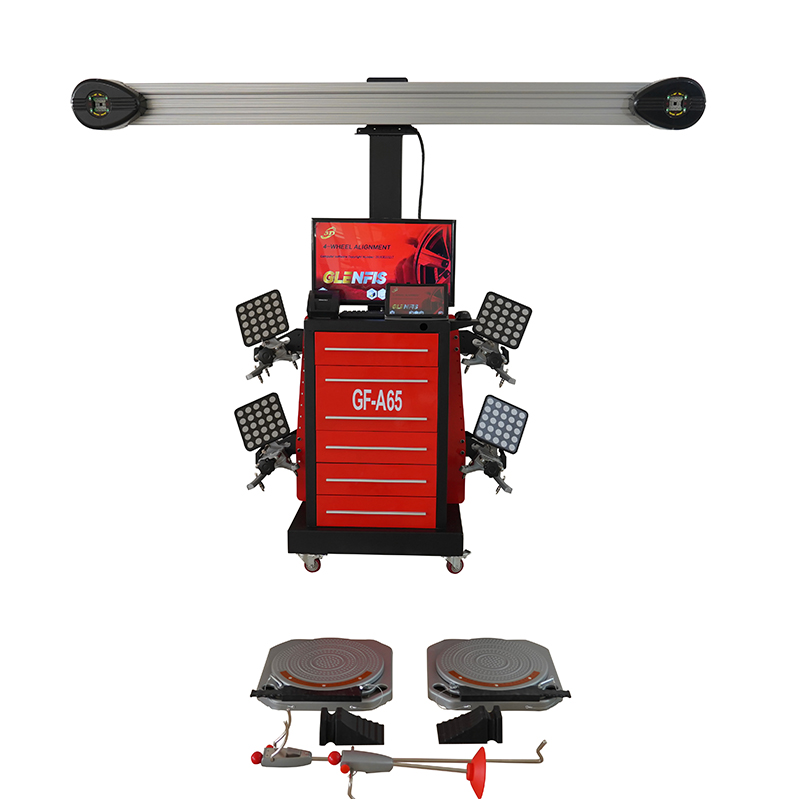
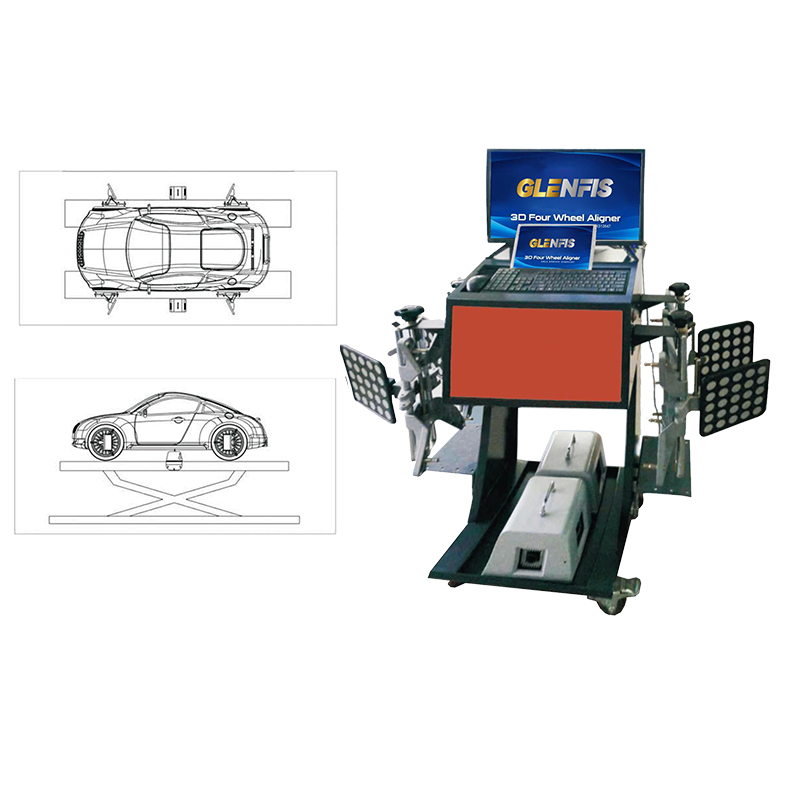
測定精度を向上させるために設計された 3 つのプロ仕様の 3D ホイール アライメント マシンをご覧ください, ワークフローの効率化, 日々の店舗の生産性:
最終的な考え
一貫したアライメント要求があるワークショップ向け, 3D ホイール アライメント マシンはワークフローの効率を大幅に向上させます, 毎日のベイのスループットを向上させる, コストのかかるアライメントの反動を削減します. 従来の CCD システムは初期費用が低い場合がありますが、, 最新の 3D アライメント技術により、より高速な測定が可能になります, より一貫した結果, 今日のADAS搭載車両に対するサポートの向上.
適切なシステム, しかし, ショップの実際の作業量と一致する必要があります, 利用可能なスペース, およびサービス要件. 価格のみに基づいて機器を選択すると、ワークフローが遅くなることがよくあります, 限定的な互換性, 長期的な運用コストの増加.
で グオレンジ, 私たちは実践的なことに重点を置いています ワークショップソリューション 実際の日常運用向けに設計. 当社のアライメント装置は安定した性能を発揮するように設計されています, 効率的なワークフロー, 最新の修理工場やタイヤサービスセンターに対する信頼性の高い長期サポート.
Guorange の 3D ホイール アライメント ソリューションを探索し、 私たちのチームと話し合ってください ワークショップに最適なセットアップを見つけるには, リフト構成, と毎日のサービス量.
よくある質問
ホイールアライメントにおいて 3D が CCD よりも速いのはなぜですか?
3D システムは固定カメラを使用し、軽量です, CCD セットアップに見られる重い電子センサー ヘッドではなく、パッシブ ターゲット. これにより、複雑な実装が不要になります, 各車輪の壊れやすい金具. ターゲットをマウントしたら, カメラは車両の形状を即座にキャプチャします. 技術者が車内を歩き回ってセンサーを調整したり、ケーブルをチェックしたりする時間を短縮します, 物理測定フェーズを数分に短縮.
3D アライメントには特別なリフトが必要ですか??
独自ブランドのリフトは必要ありません, ただし、アライメントグレードのプラットフォームが絶対に必要です. これは通常、水平な滑走路を備えた 4 ポストまたはシザー式アライメント リフトを意味します。, フロントターンプレート, そしてリアスリッププレート. このシステムには、厳しい公差内で完全に真っ直ぐで水平な表面が必要です. 一部の新しいモバイル 3D システムは、標準の 2 ポスト リフトで動作できます。, ただし、カメラが明確な視線を維持し、プロセス中に車両が完全に安定していることが条件となります。.
3D はレーザー アライメントよりも正確ですか?
はい. 最新の 3D イメージング システムは、より高い精度とより厳密な再現性を一貫して提供します。. 従来のレーザー システムは電子傾斜計とレーザーに依存しており、機械的なセンサー ドリフトの影響を受けます。, 手動レベリングエラー, およびビーム障害物. パッシブホイールターゲットと自動ソフトウェア計算を使用することにより, 3D テクノロジーは、人為的な設定ミスやハンドルにある壊れやすい電子機器の変数を排除します。.
3D アライメントによってどれくらいの利益が追加されるか?
アライメントはおよその粗利益率で実行されます 75%. 3D システムはワークフローを劇的にスピードアップするため、, 毎日のベイのスループットが向上します. 追加のアライメントを 1 日に 2 回だけ実行すると、 $39,000 年間総利益の増加. 活発な店舗のほとんどは、設備投資をすべて 2019 年以内に回収します。 18 に 24 月, アライメントをフロア内で最も利益率の高いサービスの 1 つに変える.
3D カメラにはどのようなメンテナンスが必要ですか?
光学的な透明性と構造の安定性を維持する必要があります. 技術者は、柔らかいマイクロファイバー素材を使用して、カメラのレンズとパッシブホイールターゲットを定期的に掃除する必要があります. レンズ上のほこりや油分は、画質と測定精度を直接低下させます。. また、機械的なドリフトを防止し、メーカー提供の治具を使用してスケジュールされたシステムキャリブレーションを実行するために、カメラのマウントに緩んだハードウェアがないか検査する必要もあります。.


