
Choosing automotive workshop equipment suppliers requires more than comparing unit prices. Distributors and workshop procurement teams should evaluate product compatibility, documentation, quality control, lead times, warranty terms, and spare-parts support. A low purchase price can quickly lose its advantage when equipment is unsuitable for the target market or replacement parts are difficult to obtain.
This guide explains how to define purchasing requirements, compare product ranges and quotations, verify market-specific documents, assess factory quality controls, and review remote technical support before placing an order. Use these criteria to build a more reliable workshop equipment supply chain.
What Should You Define Before Comparing Suppliers?
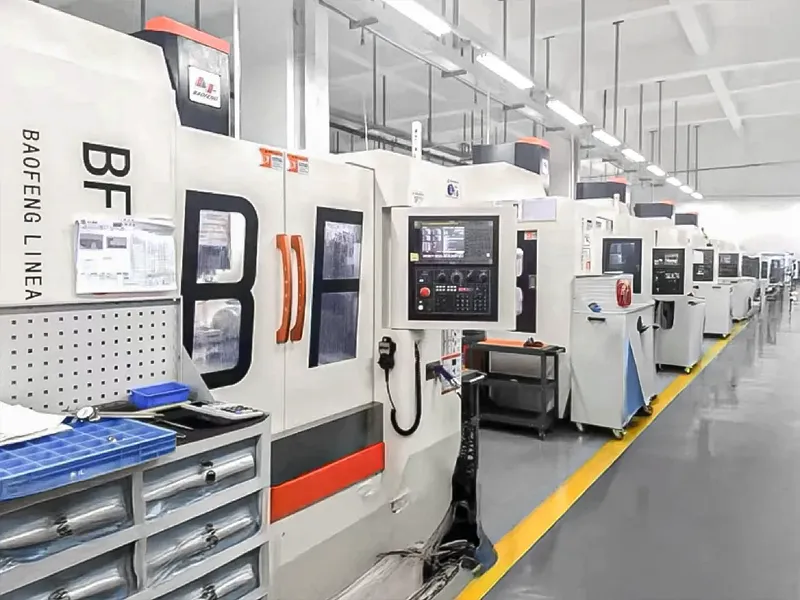
Define the required equipment, target vehicles, destination-market requirements, budget, order volume, and support responsibilities before requesting quotations.
Technical and Operational Requirements
Distributors and procurement teams should first identify the workshops and vehicle types the equipment will serve. Passenger-car repair shops, tire centers, alignment bays, and fleet workshops require different capacities, configurations, accessories, and installation conditions.
Prepare a common specification sheet covering:
- Equipment requirements: Define the required product category, rated capacity, operating range, automation level, accessories, and expected daily workload.
- Vehicle and service coverage: Identify the intended passenger cars, SUVs, light commercial vehicles, tire types, wheel sizes, and workshop services.
- Site constraints: Record bay dimensions, ceiling height, floor or foundation conditions, working clearances, and equipment access.
- Utilities: Confirm voltage, phase, frequency, rated current, plug or hardwired connection, and compressed-air requirements where applicable.
- Market requirements: Identify the required language, safety labels, manuals, declarations, test reports, and product markings for the destination country.
Sending the same specification sheet to every supplier makes product configurations and quotations easier to compare.
Budget and Support Requirements
Compare the total cost of acquiring, installing, operating, and supporting the equipment rather than relying on the unit price alone.
- Purchase budget: Include equipment, mandatory accessories, spare parts, packaging, freight, duties, taxes, installation, and commissioning costs where applicable.
- Order structure: Define trial-order quantities, mixed-model requirements, expected annual volume, and any OEM or private-label options.
- Operating costs: Consider routine maintenance, consumables, software or database fees, replacement parts, and expected service requirements.
- Warranty and support: Confirm the warranty period, exclusions, claim process, remote troubleshooting, spare-parts availability, and responsibility for local installation or repair.
- Supplier continuity: Review business history, production capacity, export experience, documented lead times, and the supplier’s ability to support the equipment after delivery.
Equipment requirements should also reflect how the intended workshop operates. For alignment projects, our guide to choosing the best wheel alignment machine for an auto repair shop explains how vehicle coverage, service volume, bay layout, and workflow affect the final configuration.
These requirements create a consistent baseline for comparing suppliers without assuming that every vendor provides local installation or on-site maintenance.
Can the Supplier Cover Your Required Equipment Range?
The supplier’s portfolio should match the intended workshop services, vehicle coverage, order volume, and after-sales requirements without forcing buyers to source unnecessary or incompatible equipment.
| Product Category | Key Points to Compare | Typical Workshop Fit |
|---|---|---|
| व्हील एलाइनर | Measurement architecture, vehicle coverage, installation layout, database support, update method, languages and lift compatibility | Alignment bays, tire shops, repair centers and fleet workshops |
| टायर बदलने वाले | Clamping range, wheel dimensions, bead breaker, assist arms, rim protection and tire compatibility | Tire shops, general repair workshops and high-volume service centers |
| व्हील बैलेंसर | Supported wheel range, balancing modes, measurement method, interface, adapters and calibration procedure | Tire shops, repair workshops and wheel-service bays |
| कार लिफ्ट्स | Lift type, rated capacity, load distribution, lifting range, vehicle contact points and site requirements | General repair, tire service and workshop inspection bays |
| Accessories and Spare Parts | Model compatibility, part numbers, technical documents, availability and expected dispatch time | Initial equipment orders, routine service and long-term parts support |
The supplier does not need to cover every automotive equipment category. Its confirmed product range should provide enough model depth to support the distributor’s target workshops while maintaining compatible documentation, accessories, training materials, and spare-parts support.
Distributors supplying complete tire-service projects should also consider how changers, balancers, aligners, and vehicle lifts work together in one service flow. Our guide to the equipment needed to start a tire shop explains the role of each equipment category in a complete workshop setup.

How Do You Compare Product Quality, Quality Control, and Documentation?
Compare suppliers using model-specific specifications, inspection records, functional test results, technical documents, and traceability—not general quality claims alone.
| Review Area | Evidence to Request | What to Verify |
|---|---|---|
| Incoming Inspection | Material and purchased-component inspection records | Steel, motors, hydraulic or pneumatic parts, sensors, and control components match approved specifications |
| In-Process Checks | Assembly records, dimensional checks, and technician sign-offs | Critical dimensions, welds, fasteners, wiring, hoses, and configurations are checked during production |
| Functional Testing | Operating, safety, and product-specific test results | Controls, safety devices, measurement functions, and hydraulic or pneumatic circuits operate as specified |
| Final Inspection | Final inspection checklist and pre-shipment records | Model, serial number, voltage, configuration, labels, accessories, software, appearance, and packaging match the order |
| Nonconformance Handling | Defect reports, corrective actions, and release records | Identified defects are contained and resolved before affected equipment is released |
| Traceability | Serial-number, production, component, test, and shipment records | Relevant production and test information can be connected to the delivered machine |
| Operating Documents | Operating manual, safety warnings, intended-use limits, and routine checks | Documents correspond to the exact model, configuration, and required language |
| Installation Documents | Layout drawings, site requirements, utility information, and commissioning procedures | Foundation, anchoring, clearances, connections, and assembly requirements are clearly defined where applicable |
| Maintenance Documents | Maintenance schedule, troubleshooting guide, replacement criteria, and parts information | Service requirements and part numbers apply to the supplied model |
| Technical Specifications | Datasheets, drawings, software versions, and revision records | Capacities, measurement ranges, dimensions, utilities, accessories, and revisions match the nameplate and approved order |
| Market-Specific Records | Applicable declarations, test reports, labels, certificates, and translations | Records apply to the exact equipment, configuration, and destination market |
Buyers who want to apply these review criteria to a specific configuration can examine the GF-A9 wheel alignment machine, including its installation format, measurement functions, vehicle coverage, software options, and available accessories.
Load testing, calibration, pressure testing, and other specialized procedures should be requested only when relevant to the exact product and applicable specifications.
For larger or customized orders, approve a sample or first production unit and compare its configuration, documentation, and test results with the agreed specification before authorizing the remaining quantity.
What Should You Check About MOQ, Pricing, and Lead Time?
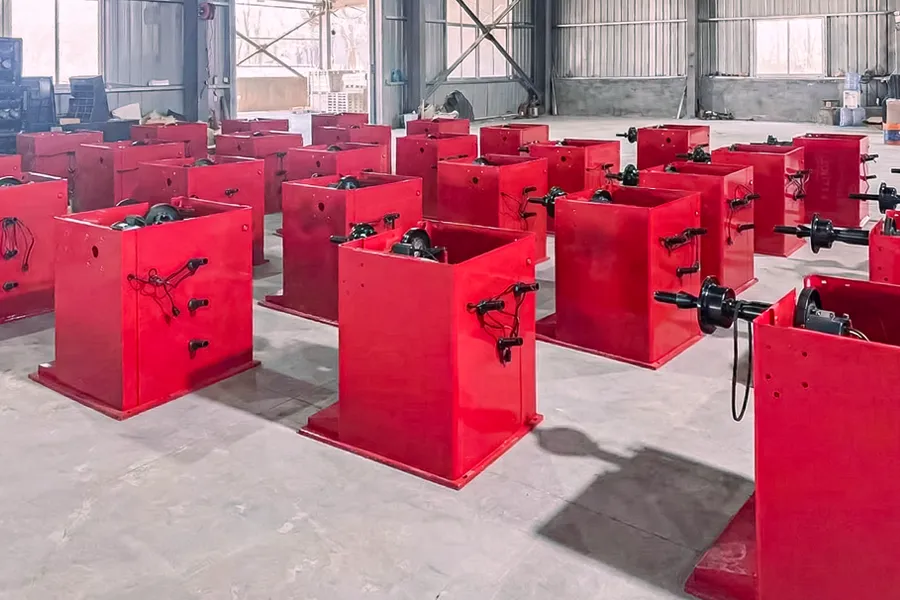
Standardize order quantities, configurations, Incoterms, included services, and delivery assumptions before comparing supplier quotations.
MOQ and Pricing Terms
The lowest unit price may not represent the lowest total purchasing cost. Buyers should determine what is included and whether the order structure matches their inventory plan.
- MOQ basis: Confirm whether the minimum order applies to the entire order, each product category, individual model, voltage, color, or customized configuration.
- Trial orders: Ask whether the supplier accepts a sample or small initial order before a larger purchase commitment.
- Mixed-model orders: Confirm whether different products or configurations can be combined in one order and whether this changes pricing or packaging.
- Price inclusions: Identify whether accessories, spare parts, software, manuals, labels, export packaging, testing, and documentation are included.
- Total landed cost: Add freight, insurance, duties, taxes, customs handling, local transport, installation, and other destination costs to the quoted price.
- Price tiers: Compare volume discounts and customization charges using the same quantities and technical specifications.
- Incoterms: Record the agreed Incoterm and named place so responsibility for transport, cost, documentation, and risk transfer is clear.
Trade terms should be written with both the selected rule and the named place. The International Chamber of Commerce explains that Incoterms rules clarify the tasks, costs, and risks allocated between sellers and buyers during the delivery of goods. They do not replace the complete sales contract, product specifications, warranty terms, or payment agreement.
Avoid assuming that mixed-model orders or low-MOQ pricing are available. These terms should be confirmed in the written quotation.
Lead Time and Production Schedule
A useful lead-time commitment should state when the production period begins and which events may change the schedule.
- Starting point: Confirm whether lead time begins after order confirmation, deposit receipt, artwork approval, sample approval, or another agreed milestone.
- Configuration status: Distinguish between in-stock equipment, standard production, private-label orders, and technically customized configurations.
- Approval deadlines: Record the dates for logos, labels, manuals, electrical options, samples, and packaging approval.
- Production milestones: Request target dates for material preparation, assembly, inspection, packing, and shipment readiness.
- Change control: Require written approval for specification changes or delays that affect price or delivery.
- Shipping readiness: Separate factory production time from freight booking, customs clearance, and final delivery time.
Guorange’s confirmed production time is approximately 14 days for small orders starting from one unit and up to 30 days for orders of 100 units or fewer. Customized configurations and final shipping schedules should be confirmed separately.
What After-Sales and Spare-Parts Support Is Available?
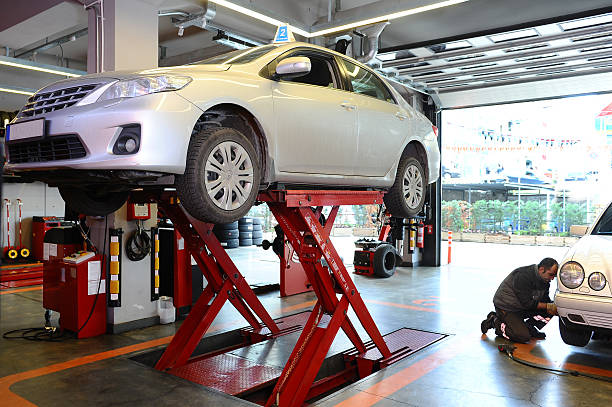
Before ordering, confirm the warranty, remote-support process, spare-parts availability, response channels, and responsibilities for local installation and repair.
Warranty and Technical Support
After-sales terms should be documented in the quotation or contract rather than assumed from general marketing statements.
- Warranty coverage: Confirm the coverage period, included components, exclusions, claim evidence, freight responsibility, and replacement-parts procedure.
- Remote troubleshooting: Identify the available communication channels, operating hours, required fault information, and whether video guidance or remote software access is supported.
- Technical documents: Require model-specific manuals, wiring or pneumatic diagrams, troubleshooting guidance, exploded views, and parts lists where available.
- Local responsibilities: Clarify whether installation, commissioning, operator training, maintenance, and on-site repairs are handled by the supplier, distributor, installer, or end user.
- Support records: Keep machine serial numbers, fault descriptions, photographs, videos, maintenance records, and replaced-part details to support troubleshooting and warranty claims.
Guorange provides a 12-month warranty on the complete machine, remote technical support, and long-term spare-parts assistance. Local installation and on-site repair should be arranged separately.
Spare-Parts Availability and Ordering
Spare-parts planning should reflect the installed machine population, expected consumption, supplier lead time, and consequences of equipment downtime.
- Parts identification: Confirm model-specific part numbers, compatibility, drawings, and revision information before ordering.
- Initial parts package: Include suitable consumables, protective components, service kits, and downtime-sensitive parts with the first equipment order.
- Availability and lead time: Ask which parts are normally available, which are produced on demand, and how long dispatch is expected to take.
- Ordering channels: Confirm the email, telephone, messaging, distributor, or other approved channel used for technical identification and parts orders.
- Shipping responsibility: Record prices, freight terms, customs responsibility, and the process for urgent replacement shipments.
Do not assume that every supplier operates a local warehouse, online parts portal, regional service network, or guaranteed emergency-delivery program. Verify these capabilities in writing.
How Should You Compare the Final Supplier Shortlist?

Use the same specifications, quantities, commercial assumptions, and evidence requirements for every supplier. A weighted scorecard can support the decision, but its weighting should reflect your product risks and business priorities.
| Evaluation Criteria | Example Weight | Evidence to Compare |
|---|---|---|
| Product Fit and Documentation | 30% | Specifications, vehicle coverage, utilities, manuals and destination-market records |
| Quality Control | 25% | Sample results, inspection records, functional tests, traceability and defect handling |
| Total Landed Cost | 20% | Equipment, accessories, packaging, freight, duties, fees and expected operating costs |
| Warranty and Parts Support | 15% | Coverage, exclusions, remote support, parts availability, ordering process and lead times |
| Production and Delivery | 10% | MOQ, production capacity, milestone dates, packaging readiness and shipping documents |
The percentages above are examples rather than industry-standard weights. Adjust them according to equipment risk, order value, destination-market requirements, and the consequences of downtime.
Conduct a Side-by-Side Comparison
Every shortlisted supplier should respond to the same request for quotation and evidence checklist.
- Standardize the request: Use identical models or functional requirements, quantities, accessories, voltage options, documentation, packaging, Incoterms, and delivery assumptions.
- Record supporting evidence: Compare sample results, inspection documents, warranty terms, production schedules, spare-parts information, and written support procedures.
- Identify exclusions: Note which accessories, services, documents, freight charges, software fees, or replacement parts are not included in each quotation.
- Document trade-offs: Record why a higher price, longer lead time, or smaller product range may be acceptable when supported by stronger technical fit or more reliable evidence.
- Approve a pilot order: When practical, verify the leading supplier through a sample or small initial order before committing to a larger purchase.
The final decision should be based on documented compatibility and support terms rather than an assumed local service network or unverified uptime promise.
Frequently Asked Questions
What should I look for in an automotive workshop equipment supplier?
Evaluate the supplier’s product range, technical compatibility, quality-control evidence, destination-market documentation, production lead times, warranty terms, remote support, and spare-parts availability. Also confirm who is responsible for local installation, commissioning, training, maintenance, and repairs instead of assuming these services are included.
How do I compare quotations from different equipment suppliers?
Send every supplier the same specifications, quantities, accessories, documentation requirements, Incoterms, and delivery assumptions. Compare total landed cost rather than unit price alone, including packaging, freight, duties, software or database fees, spare parts, and local installation where applicable. Record technical fit, exclusions, lead time, warranty, and support terms in a side-by-side scorecard.
What documents should an automotive equipment supplier provide?
The supplier should provide model-specific technical specifications, operating, installation and maintenance manuals, safety labels, parts information, and applicable inspection or test records. Buyers should also verify any declarations, certificates, product markings, warranty terms, translated materials, or other documents required for the exact equipment and destination market.
How can I verify product quality before ordering?
Compare a sample or pilot unit with the approved specifications, nameplate, accessories, software version, and technical documents. Review relevant inspection and functional test records, then test normal operating functions and safety devices according to the manufacturer’s instructions. Document defects and resolve corrective actions before approving a larger order.
Final Thoughts
Choosing an automotive workshop equipment supplier requires more than comparing factory prices. Buyers should evaluate product compatibility, quality-control evidence, technical documentation, total landed cost, production schedules, warranty terms, remote support, and spare-parts availability. Standardizing quotation requirements and testing a sample or pilot unit can reveal configuration, documentation, and support issues before a larger commitment is made.
Contact our commercial team to discuss your target market, equipment mix, order volume, and OEM requirements. We can help you compare available wheel aligners, tire changers, wheel balancers, car lifts, and accessories for your distribution program.


