
Among the most widely used lifting solutions in the automotive industry, the 2 post car lift and 4 post car lift are the two most common configurations. While both are designed to raise vehicles safely for maintenance and repair work, they differ significantly in terms of structure, vehicle support methods, workspace accessibility, installation requirements, and intended applications.
Understanding the strengths and limitations of each car lift type is essential for choosing equipment that aligns with your business objectives. This guide examines the major differences between a 2 post car lift and a 4 post car lift, helping workshop owners make a more informed investment decision.
Key Differences Between 2 Post and 4 Post Car Lifts
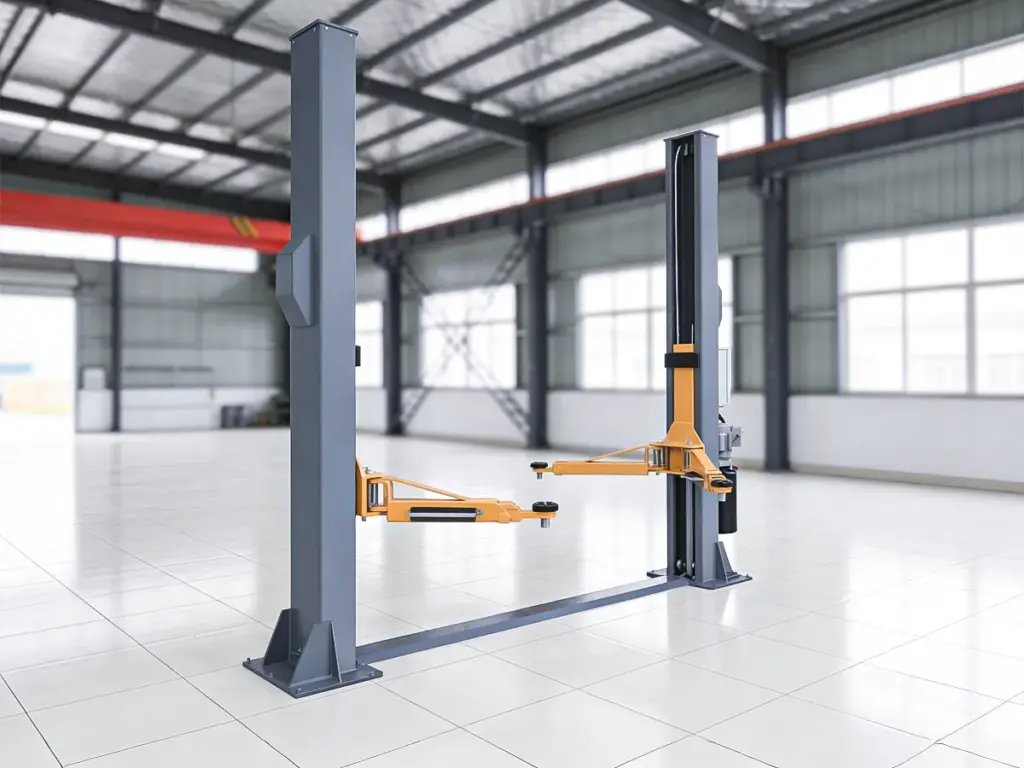
Before comparing technical specifications, it is important to understand the fundamental difference between these two lifting systems. Although both are designed to elevate vehicles, the way they support and lift a vehicle directly impacts workshop operations and service capabilities.
How a 2 Post Car Lift Operates
A 2 post car lift raises a vehicle using two vertical columns positioned on either side of the vehicle. Adjustable lifting arms extend from the columns and contact manufacturer-designated lifting points underneath the vehicle. Once elevated, the vehicle’s wheels remain suspended in the air, providing technicians with unrestricted access to the tires, suspension, brake systems, steering components, and undercarriage.
Because of this open-access design, a 2 post car lift has become one of the most common choices for repair-focused workshops where technicians frequently perform mechanical and suspension-related services.
How a 4 Post Car Lift Operates
A 4 post car lift utilizes four columns and a pair of runways that support the vehicle by its tires. Instead of lifting from chassis contact points, the vehicle is driven directly onto the runways and elevated while remaining on its wheels.
This design creates a highly stable lifting platform that is particularly useful for inspections, routine maintenance procedures, vehicle storage, and applications where technicians need the vehicle supported in a natural driving position.
Why the Difference Matters
The distinction between these lifting methods affects much more than vehicle positioning. It influences technician efficiency, the types of services a workshop can perform, available workspace around the vehicle, and overall operational flexibility.
For businesses focused heavily on repair work, a 2 post car lift often provides greater accessibility. For facilities that prioritize inspections, storage, or specific maintenance procedures, a 4 post car lift may offer significant advantages.
Lift Structure and Design Comparison
The structural design of a car lift plays a major role in determining how effectively it fits within a workshop environment. While both lift types are engineered for safe vehicle lifting, their configurations are designed to serve different operational purposes.
Structural Design of a 2 Post Car Lift
A 2 post car lift is built around two heavy-duty support columns that contain the lifting system. Depending on the model, the columns may be connected through an overhead beam or a floor-level structure. Adjustable lifting arms provide flexibility when positioning different vehicle types.
According to Guorange’s lifting equipment solutions, this design allows technicians to gain excellent access beneath the vehicle while maintaining efficient use of workshop space. Since the vehicle is lifted from designated contact points rather than supported by a platform, nearly the entire underside remains accessible during service.
The relatively open structure of a 2 post car lift makes it highly attractive for workshops performing a wide variety of repair tasks.
Structural Design of a 4 Post Car Lift
A 4 post car lift incorporates four support columns connected by durable runways. Vehicles are positioned directly on these runways before lifting begins. Because the tires remain in contact with the lifting surface throughout the process, the system naturally distributes vehicle weight across a larger area.
The runway-based design creates a stable working platform that many technicians find particularly convenient for inspections and general maintenance operations. It also allows certain facilities to utilize the lift for vehicle storage when required.
Comparing Stability and Accessibility
When evaluating structure alone, the primary trade-off is between accessibility and support configuration.
A 2 post car lift provides exceptional access to vehicle components because the wheels hang freely. A 4 post car lift, meanwhile, offers a broader support platform that many operators associate with stability and ease of loading.
Both lift types are widely used throughout the automotive service industry because they address different operational priorities effectively.
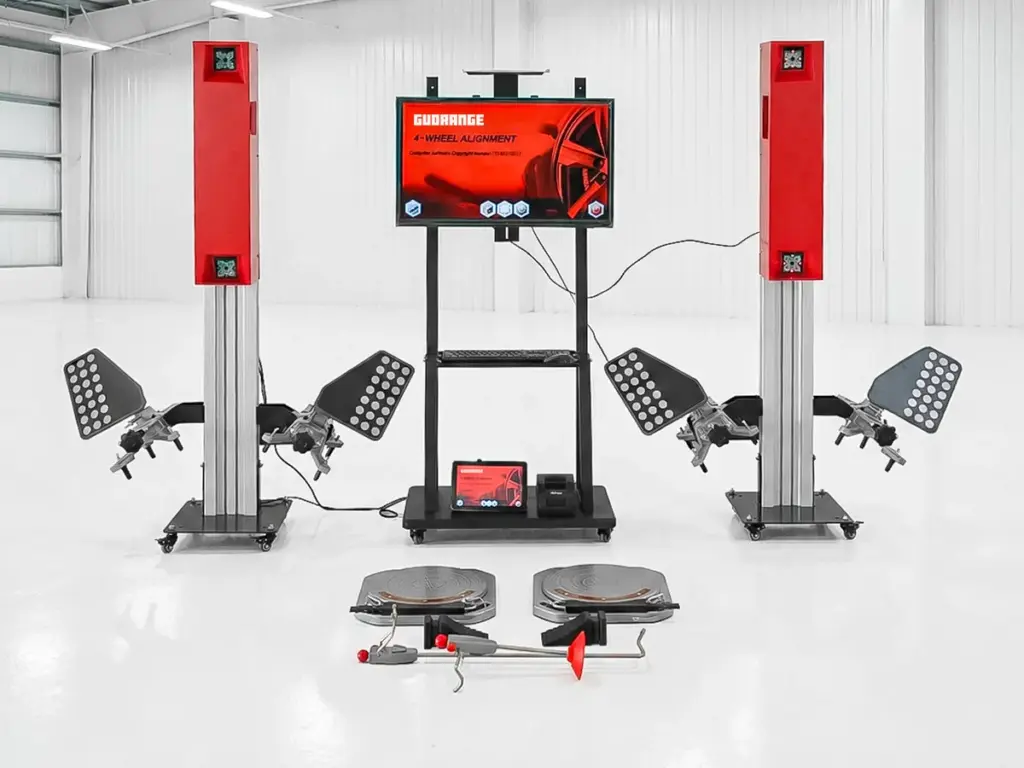
High-Precision 3D Wheel Aligners for Maximum ROI
Lifting Capacity and Vehicle Types
Choosing the correct car lift requires a clear understanding of the vehicles your workshop services on a daily basis. Vehicle size, weight, and service requirements all influence which lift configuration will deliver the greatest value.
Vehicle Compatibility of a 2 Post Car Lift
A 2 post car lift is commonly used for passenger cars, crossovers, SUVs, and many light-duty trucks. Because the wheels remain suspended during lifting, technicians can easily access critical service areas.
This makes the lift particularly valuable in workshops that regularly perform brake replacement, suspension repairs, steering system maintenance, tire service, drivetrain repairs, and exhaust work. The ability to work freely around all four wheels often improves service efficiency and technician productivity.
For repair-oriented businesses, a 2 post car lift frequently becomes the primary workstation because of its versatility.
Vehicle Compatibility of a 4 Post Car Lift
A 4 post car lift is often selected by facilities that prioritize inspection services, routine maintenance procedures, fleet servicing, and vehicle storage applications. Because the vehicle remains supported by its wheels, loading is generally straightforward and requires minimal positioning adjustments.
The stable support platform can be advantageous when working on vehicles that require long inspection procedures or extended service times.
Many dealerships, fleet maintenance facilities, and multi-purpose service centers utilize a 4 post car lift as part of their daily operations.
Considering Capacity Requirements
Regardless of lift configuration, lifting capacity remains one of the most important purchasing considerations.
Vehicle weights continue to increase across many market segments, particularly among SUVs and light trucks. Workshop owners should evaluate not only the vehicles they currently service but also future vehicle trends and potential business expansion opportunities.
Selecting a car lift with appropriate capacity helps ensure long-term operational flexibility and reduces the likelihood of needing equipment upgrades in the near future.
Space and Installation Requirements
Available workspace often becomes a deciding factor when comparing a 2 post car lift and a 4 post car lift. Even the most capable lifting equipment may not deliver optimal results if it does not fit the workshop environment properly.
Floor Space Considerations for a 2 Post Car Lift
One of the advantages of a 2 post car lift is its relatively compact footprint. Since the lift relies on two support columns rather than a full runway platform, it generally occupies less floor space.
This allows workshop owners to maximize the usable area surrounding the lift and may improve vehicle movement throughout the facility. In smaller workshops, the efficient footprint of a 2 post car lift can be a significant advantage.
Floor Space Considerations for a 4 Post Car Lift
A 4 post car lift typically requires more installation space because of its runways and additional support columns. However, the larger footprint also provides practical benefits.
The runway structure can support vehicle storage applications and may help workshops make better use of vertical space. In facilities where maximizing vehicle parking or storage capacity is important, a 4 post car lift may contribute additional operational value beyond routine maintenance tasks.
Ceiling Height and Facility Planning
Both lift types require adequate ceiling clearance to operate safely. Before purchasing a car lift, workshop owners should carefully evaluate building dimensions, door clearances, lighting systems, ventilation equipment, and the maximum vehicle heights expected within the facility.
Proper planning helps ensure smooth installation while reducing the risk of operational limitations after equipment is installed.
Installation Requirements
Successful installation depends on more than available floor space. Concrete thickness, floor strength, and surface levelness must meet manufacturer specifications.
A professionally installed car lift provides safer operation, better long-term performance, and improved reliability throughout its service life.
Maintenance and Safety Considerations
The performance of a car lift depends not only on its design but also on proper maintenance and adherence to safety procedures. Regular inspections and preventive maintenance play a critical role in protecting both equipment and personnel.
Routine Maintenance Expectations
Like all workshop equipment, both a 2 post car lift and a 4 post car lift require ongoing maintenance.
Periodic inspections typically focus on hydraulic systems, cables, locking mechanisms, moving components, and structural elements. Identifying wear before it becomes a serious issue helps reduce downtime and maintain reliable lifting performance.
A consistent maintenance schedule contributes significantly to equipment longevity and operational efficiency.
Built-In Safety Features
Modern car lift systems incorporate multiple safety mechanisms designed to support safe operation. Depending on the specific model, these systems may include mechanical locking devices, synchronized lifting systems, overload protection mechanisms, and secure locking positions throughout the lifting cycle.
These safety features help ensure stable vehicle support while reducing operational risks in busy workshop environments.
Importance of Proper Operator Training
Even the most advanced car lift relies on proper usage. Technicians should be thoroughly trained in vehicle lifting procedures, correct lifting point identification, load distribution principles, equipment inspection routines, and lock engagement processes.
Consistent training not only improves workplace safety but also helps maximize the productivity benefits of lifting equipment.
Pros and Cons of 2 Post Car Lifts

The popularity of the 2 post car lift stems largely from its ability to support a wide range of repair applications. However, like any equipment solution, it offers both advantages and limitations.
Advantages of a 2 Post Car Lift
The most significant advantage of a 2 post car lift is accessibility. By suspending the vehicle from designated lifting points, technicians gain nearly unrestricted access to the entire undercarriage and all four wheels.
This configuration supports efficient brake work, suspension repairs, steering service, drivetrain maintenance, and tire-related procedures. In addition, the relatively compact footprint allows workshops to make efficient use of available floor space.
For businesses focused on repair services, these advantages often translate directly into higher productivity.
Limitations of a 2 Post Car Lift
While highly versatile, a 2 post car lift requires careful vehicle positioning and proper use of lifting points. Loading procedures may demand more technician attention compared with drive-on lift systems.
In addition, because the vehicle remains suspended, this lift type is generally less suitable for vehicle storage applications. These considerations should be weighed against the accessibility benefits when making a purchasing decision.
Pros and Cons of 4 Post Car Lifts
A 4 post car lift offers a different set of operational advantages that appeal to many automotive service facilities.
Advantages of a 4 Post Car Lift
The primary strength of a 4 post car lift is its stable runway-supported design. Vehicles can be driven directly onto the lift, simplifying loading procedures and reducing setup time.
The platform structure is well suited for inspections, routine maintenance services, and storage applications. Many operators also appreciate the natural vehicle positioning provided by the runway system.
These characteristics make a 4 post car lift particularly attractive for dealerships, fleet operators, and facilities that require flexible vehicle storage solutions.
Limitations of a 4 Post Car Lift
The same runway design that provides stability can also limit direct access to certain vehicle components. Compared with a 2 post car lift, wheel, tire, and suspension-related repairs may require additional accessories or equipment.
Furthermore, the larger footprint may not be ideal for workshops where floor space is limited.
These factors should be carefully evaluated alongside the lift’s operational benefits.
Which Car Lift Is Best for Your Workshop
Choosing the right car lift ultimately depends on how your business operates and the types of services you provide.
When a 2 Post Car Lift Is the Better Choice
A 2 post car lift is generally the preferred option for repair-focused workshops that regularly perform mechanical service work. Businesses specializing in brake repairs, suspension maintenance, steering service, tire replacement, and drivetrain repairs often benefit from the unrestricted access this lift provides.
Its efficient footprint and versatile design make it one of the most practical solutions for high-volume repair environments.
When a 4 Post Car Lift Is the Better Choice
A 4 post car lift may be the better investment for facilities that prioritize inspections, fleet maintenance, vehicle storage, or routine maintenance operations.
The stable runway design supports easy vehicle loading and can provide additional operational flexibility in certain business models.
For many organizations, these advantages outweigh the reduced accessibility associated with the runway structure.
Planning for Future Growth
When selecting a car lift, workshop owners should think beyond immediate operational requirements.
Future expansion plans, changing customer demands, and evolving vehicle trends can all influence equipment needs over time. Investing in a lift that supports future growth may provide better long-term value than selecting equipment solely based on current requirements.
Final Thoughts
A 2 post car lift delivers exceptional accessibility and versatility for repair-focused environments, making it one of the most widely used solutions in automotive service facilities. A 4 post car lift provides excellent stability, straightforward vehicle loading, and additional flexibility for inspections, maintenance procedures, and storage applications.
ग्वारेंज offers a range of professional automotive lifting solutions designed to meet the needs of modern repair shops, dealerships, fleet operators, and service centers. If you are evaluating a new car lift for your facility, contact us today to explore professional lifting solutions and receive expert guidance on choosing the right equipment for your workshop.


