
A wheel alignment machine should improve workflow, increase alignment revenue, and help your shop handle modern vehicles more efficiently. But many shops either overspend on unnecessary features or choose systems that create problems during daily operation.
In this guide, you’ll learn how to choose the right wheel alignment machine based on your shop size, vehicle types, bay layout, and long-term business goals.
Know Your Shop Requirements First
Before comparing brands or technologies, step back and evaluate how your shop actually operates day to day. Alignment equipment performs very differently in a high-volume tire center than it does in a general repair shop with shared bays.
Evaluate Your Alignment Volume
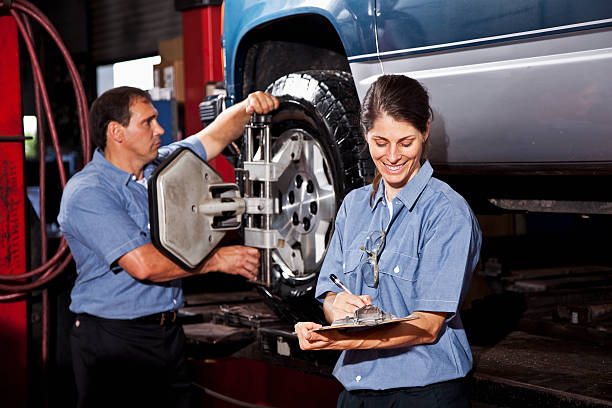
Your monthly wheel alignment count should heavily influence your buying decision. A general repair shop performing a handful of alignments each week usually benefits from a simpler workflow and lower operating costs. On the other hand, a busy tire shop processing vehicles continuously throughout the day needs faster cycle times and minimal downtime to keep bays moving efficiently.
A common mistake is buying equipment based on future expectations instead of the actual current workload. Many shops invest in premium systems expecting alignment demand to grow, only to discover the machine sits idle most of the week.
As a practical reference:
| Shop Type | Typical Alignment Volume | Primary Priority |
|---|---|---|
| Small garage | 0–10 per month | Low cost and space efficiency |
| General repair shop | 5–40 per week | Balanced ROI and workflow flexibility |
| Tire & alignment center | 15–60+ per day | Speed, uptime, and throughput |
| Dealership or collision center | Moderate to high | OEM procedures and ADAS workflow support |
Understanding these operational priorities first makes it much easier to compare alignment technologies later in the buying process.
Consider the Types of Vehicles You Service
Vehicle mix affects alignment equipment more than many shop owners expect. Most auto repair shops do not only service passenger cars. In daily operation, SUVs, light trucks, and vans are also very common, and they place different demands on alignment systems.
Oversized wheels and custom finishes can also create practical challenges during operation. Poor-quality clamps may damage painted or polished rims, and technicians often focus as much on avoiding wheel damage as on completing the alignment itself.
Suspension design also plays an important role. Performance vehicles and multi-link systems require more precise live adjustment feedback, since small changes in camber or toe can affect multiple angles at the same time.
Review Your Bay Layout Carefully
Bay layout often determines the most practical alignment system before pricing even becomes part of the decision. Many shops appear large enough for a 3D setup until technicians begin working around the vehicle with targets, clamps, and tools installed.
3D systems perform best in dedicated alignment bays with stable lighting and unobstructed camera sightlines. In shared bays, repositioned lifts, moving equipment, and blocked camera views can gradually slow workflow and create inconsistent readings.
Ceiling height, support columns, overhead doors, reflective surfaces, and direct sunlight can all affect daily usability. In practice, workflow efficiency and technician movement often influence long-term satisfaction more than measurement specs alone.
Compare 3D, CCD, and Touchless Alignment Systems
The biggest purchasing decision usually comes down to choosing between 3D camera systems and CCD sensor systems.
Each technology has advantages depending on your workflow and physical space.
| Feature | 3D Camera | CCD Sensor | Touchless |
|---|---|---|---|
| Speed | Very fast | Moderate | Fastest |
| Setup Time | Minimal | Longer | Minimal |
| Space Requirements | Dedicated bay preferred | Flexible | Drive-through layout |
| Maintenance | Lower | Moderate | Moderate |
| ADAS Readiness | Strong | Moderate | Strong |
| Best Fit | High-volume shops | General repair shops | Dealership service lanes |
3D Wheel Alignment Systems
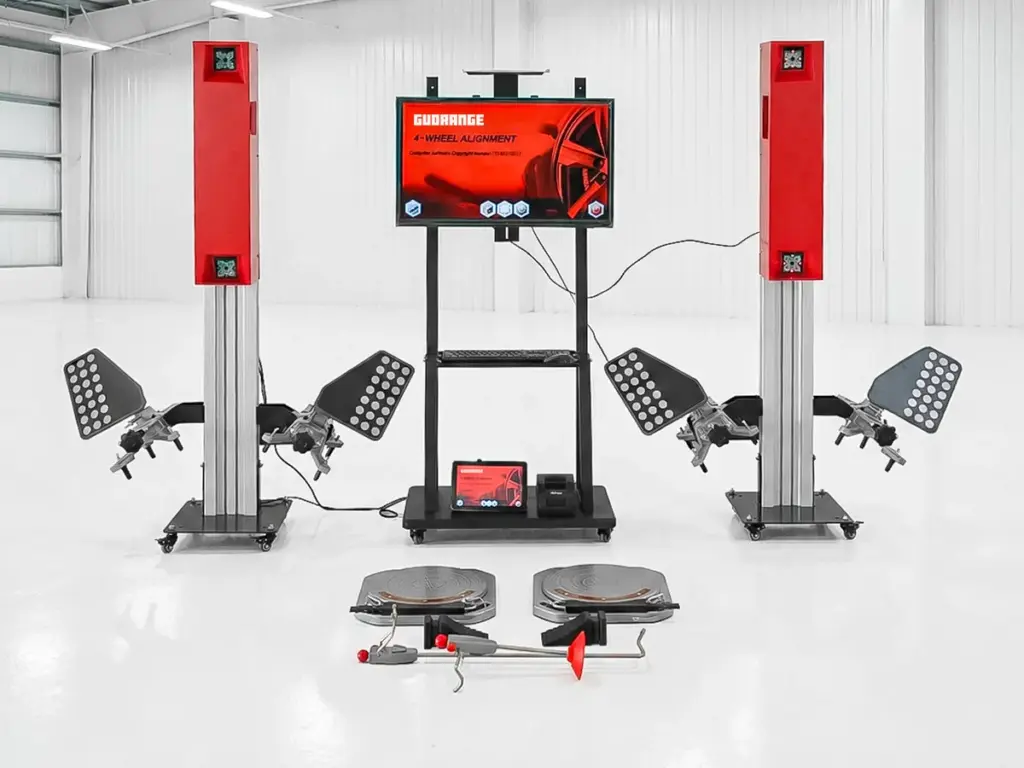
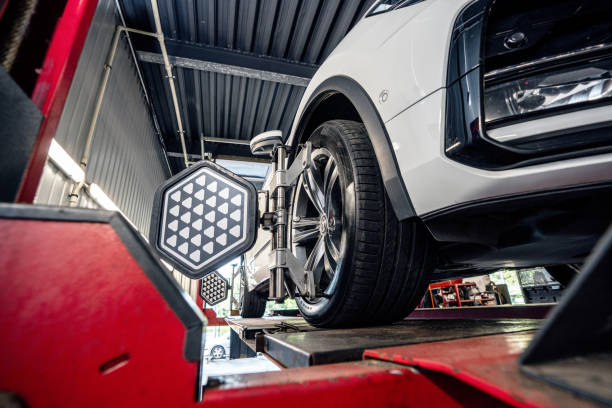
3D wheel alignment systems use fixed camera towers and lightweight reflective targets to measure wheel geometry quickly. For high-volume shops, the speed advantage is significant, especially when vehicles move through the bay continuously throughout the day.
Another advantage is reduced wear on wheel-mounted electronics. Since most 3D targets are passive, there are fewer fragile components for technicians to drop or mishandle during daily use.
That said, 3D systems work best in controlled environments. Shops with limited space, unstable lighting, or shared alignment bays sometimes struggle to maintain ideal camera positioning and consistent workflow efficiency.
CCD Wheel Alignment Systems
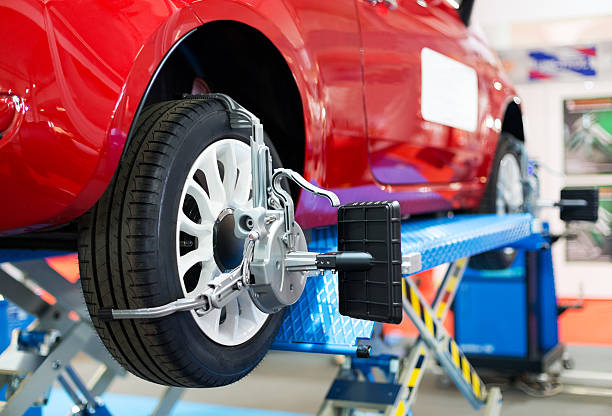
CCD systems rely on electronic sensor heads mounted directly to the wheels. Although slower than 3D setups, they remain popular because they adapt well to tight or multi-purpose bays.
For many independent repair shops, CCD systems still offer a practical balance between affordability and capability. If alignment volume is moderate, the lower investment often makes more financial sense than a premium 3D package.
The tradeoff is maintenance. Wheel-mounted electronics take daily abuse, and dropped sensor heads remain one of the most common service problems shops encounter over time.
Touchless Wheel Alignment Systems
Touchless systems eliminate wheel clamps entirely by scanning tire geometry using cameras and lasers. These systems are especially effective in dealership service lanes where shops want to perform rapid alignment checks on every incoming vehicle.
The biggest advantage is speed. Technicians can quickly identify alignment issues without mounting targets or clamps, which helps create additional repair opportunities during inspections.
However, touchless systems are typically better as workflow and screening tools rather than standalone solutions for every repair environment.
Maximize Workshop ROI With Precision 3D Aligners
Match the Machine to Your Shop Type
General Repair Shops
For most independent repair shops, flexibility and ROI matter more than maximum alignment speed. A mid-range CCD or entry-level 3D system is usually enough to keep alignment work in-house without overcommitting capital. Easy software navigation, reliable vehicle coverage, and strong local support often matter more in daily operation than advanced automation features.
Tire and Alignment Centers
High-volume alignment shops depend heavily on bay efficiency. Even saving a few minutes per vehicle adds up quickly across a full workday, which is why premium 3D systems are common in dedicated alignment centers. In busy environments, reliability becomes just as important as accuracy. A wheel aligner that requires frequent recalibration or troubleshooting can quietly reduce throughput throughout the day.
Dealerships and Collision Centers
Dealerships typically prioritize OEM procedures, documentation, and ADAS compatibility. These shops often need guided calibration workflows, digital inspection reporting, and integrated steering angle reset procedures. As driver assistance systems become more common, alignment and calibration workflows are becoming increasingly connected within dealership repair operations.
Evaluate Total Cost Beyond the Purchase Price
One of the most common buying mistakes is focusing only on the initial equipment price. Over the lifespan of an alignment machine, software updates, calibration services, repairs, and downtime can easily add 30–70% to the original investment.
Ongoing Software and Database Fees
Modern alignment systems rely heavily on updated vehicle databases. Without current specifications, technicians risk inaccurate adjustments or missing required calibration procedures on newer vehicles.
Typical yearly expenses may include software subscriptions, OEM database updates, firmware updates, and remote diagnostic services. Premium systems often charge several hundred dollars annually for full update access.
Maintenance and Calibration Costs
Maintenance requirements vary considerably between technologies. CCD systems generally require more recalibration because the sensor heads are mounted directly on the wheels and exposed to impacts during daily use.
3D systems reduce electronic wear at the wheel, but camera towers still require proper alignment and protection from shop damage. Tire dust and brake debris can also gradually affect optical performance if lenses are not cleaned regularly.
Shops should also budget for clamp replacement, turntable servicing, annual calibration verification, and general wear items over time.
Downtime Costs
Downtime is often the hidden expense owners overlook. If your shop depends heavily on alignments, losing the machine for several days can immediately disrupt workflow and reduce revenue.
Before purchasing, ask vendors about local technician availability, replacement part lead times, warranty coverage, and expected service response times. As alignment volume increases, strong support infrastructure becomes just as important as the equipment itself.
Make Sure the System Fits Your Space
Verify Bay Dimensions
Most standard passenger vehicle alignment bays require roughly 22–25 ft of length, 12–14 ft of width, and enough ceiling clearance to avoid camera interference.
ADAS calibration setups may require considerably more space around the vehicle, especially when using front radar or camera calibration fixtures. Many shops discover too late that adding ADAS equipment significantly changes the usable workflow space within the bay.
Check Lift Compatibility
Not every alignment machine works seamlessly with every lift configuration. Compatibility should always be confirmed before installation begins.
Shops using 2-post lifts should verify the system supports frozen measurements and proper caster sweep procedures. Turn plates and slip plates also need to integrate correctly with the lift setup. Ignoring lift compatibility early in the buying process often creates expensive installation delays later.
Consider Lighting and Environmental Conditions
3D camera wheel aligners are especially sensitive to environmental conditions. Direct sunlight, reflective surfaces, unstable lighting, and repositioned lifts can all affect camera visibility and measurement consistency.
In shared or open shop environments, these small workflow disruptions often become more noticeable over time than they appear during the initial demonstration.
Common Wheel Alignment Machine Buying Mistakes
Buying Based Only on Price
Low-cost systems often become expensive over time due to slower workflows, outdated software, higher failure rates, and limited technical support. The cheapest system rarely produces the best long-term ROI, especially for shops planning to increase alignment volume in the future.
Ignoring Technician Experience
Some systems look impressive during demonstrations but become frustrating for inexperienced technicians during daily operation. Clear adjustment graphics, guided workflows, and intuitive software can significantly reduce training time and alignment errors.
Overbuying for Current Needs
Not every shop needs a premium 3D system with full ADAS integration. For lower-volume shops, a reliable CCD aligner may provide stronger financial returns for years before an upgrade becomes necessary. Buying equipment based purely on future expectations often leads to underused capacity and unnecessary financial pressure.
Underestimating Space Requirements
Insufficient working clearance remains one of the most common installation problems. Technicians need enough room to mount targets, open doors, perform caster sweeps, and access adjustment points safely. Workflow efficiency matters just as much as machine specifications once the system enters daily operation.
Recommended Guorange Models
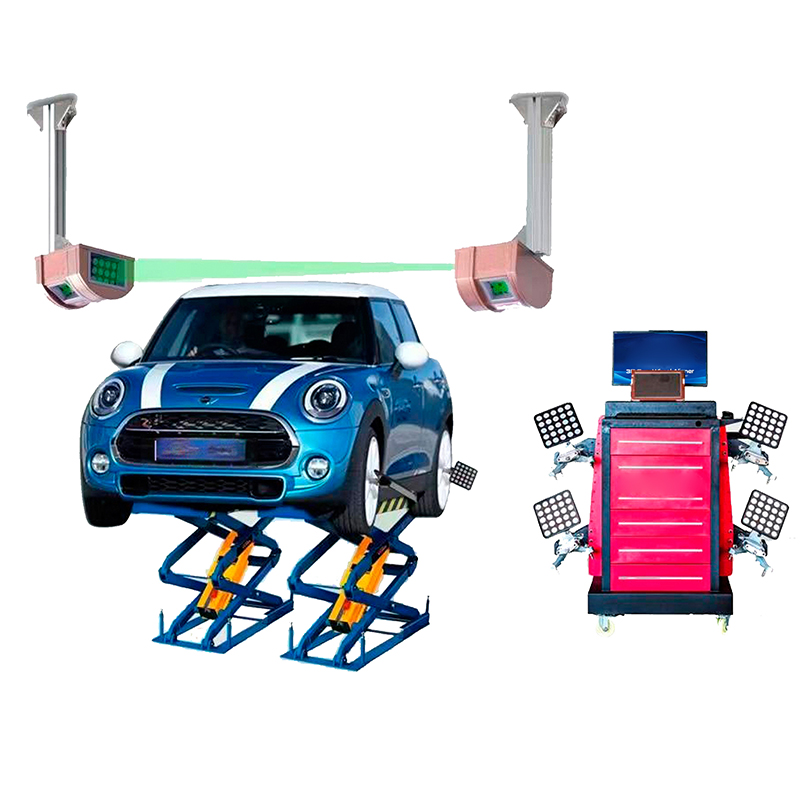
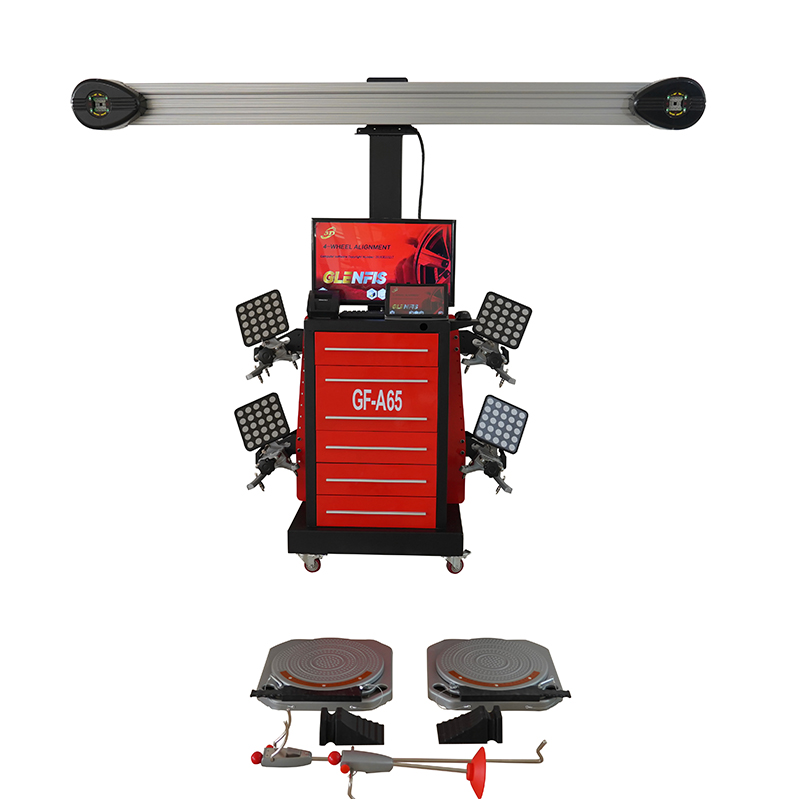
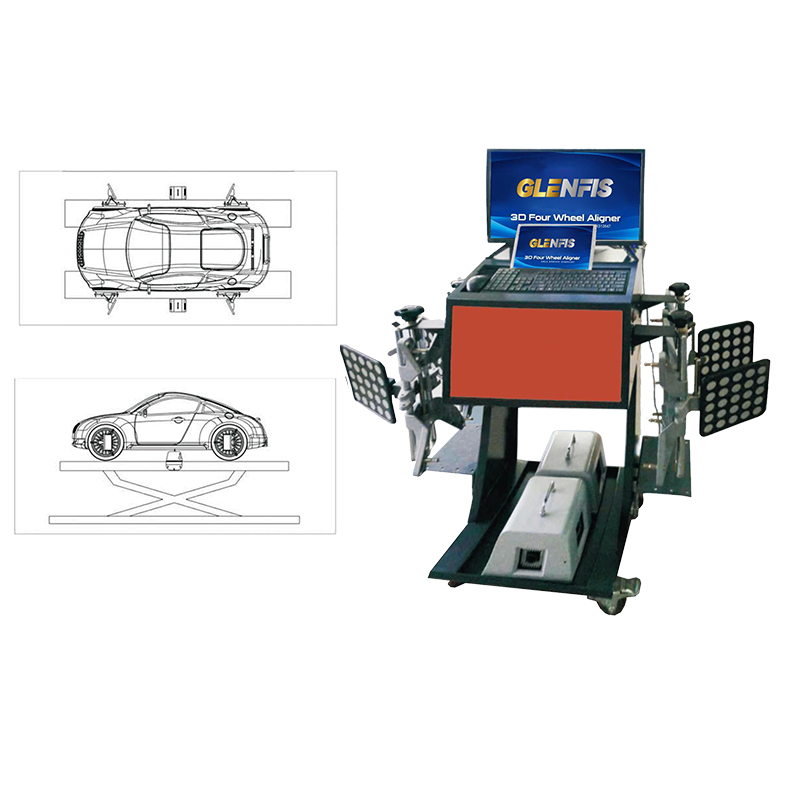
Explore three professional 3D wheel alignment machines designed to improve measurement accuracy, workflow efficiency, and daily shop productivity:
Final Thoughts
The right wheel alignment machine should improve daily workflow, support accurate adjustments, and keep your bays moving efficiently as your business grows. High-volume shops often benefit from faster 3D systems, while smaller repair facilities may achieve better ROI with flexible CCD equipment that fits tighter spaces and lower alignment volume.
At Guorange, we provide professional wheel alignment systems built for long-term stability, fast measurement performance, and real-world shop environments. Our solutions support modern vehicle requirements while helping shops reduce downtime, simplify technician operations, and improve overall service efficiency. Whether you are upgrading a general repair bay or building a dedicated alignment center, selecting equipment that matches your actual workflow is critical for long-term profitability.
Contact us today to compare wheel alignment solutions and find the right system for your shop layout, vehicle mix, and long-term business goals.
Frequently Asked Questions
Which is better for my shop: a 3D or CCD wheel aligner?
A CCD system fits best in smaller shops with multi-use bays and tighter budgets due to its lower cost and high portability. A 3D aligner serves high-volume shops with dedicated alignment bays that want to use visual reporting to sell more services. Both technologies deliver OEM-level accuracy.
How much space do I need for a 3D aligner?
Plan for a minimum bay footprint of 20 feet long, 14 feet wide, and a ceiling height of at least 10 feet. This layout provides the necessary clear line-of-sight between the front-mounted cameras and the wheel targets while leaving safe working room for technicians.
Can I install an aligner on a 2-post lift?
Yes. You need an alignment system that explicitly supports 2-post workflows. The setup requires 2-post drop brackets to keep sensors level, floor-mounted turn plates for the initial caster sweep, and software capable of freezing readings before you raise the chassis.
Is online training available for alignment machines?
Yes. Manufacturers typically provide online portals, video tutorials, and digital adjustment guides covering specific machine operations and post-alignment electronic resets. Independent automotive schools also offer structured online courses for foundational alignment theory.
What is the lifespan of a 3D aligner?
You can expect a commercial 3D aligner to remain functional for 7 to 15 years. Maximizing this lifespan requires annual calibration, keeping optical lenses clean, avoiding harsh physical impacts, and replacing worn components like wheel clamps and reflective targets.
How much do yearly software updates cost?
Annual software updates generally run between $300 and $800 for premium alignment brands, while budget models might charge less or offer ad-hoc update fees. Maintaining a current subscription ensures your machine has the latest vehicle specs, OEM revisions, and ADAS calibration procedures.


