
Deciding exactly how often should you change tires is a critical safety matter. It is also a strategic business decision that directly impacts your shop’s bottom line. When your team relies on vague visual checks instead of strict protocols, you create bottlenecks in your service bay and expose your business to unnecessary liability.
Standardizing your replacement rules helps your technicians work faster and with more confidence. By enforcing a 3/32-inch tread minimum and a clear age-based policy, you turn every routine inspection into a high-margin sales opportunity.
Quick Answer: How Often Should You Change Tires?
Replace at 3/32″ (2.4mm) for professional safety. The 2/32″ legal limit is often insufficient for wet-weather traction.
Recommend replacement at 6 years. The absolute service limit is 10 years, regardless of the remaining tread.
Why 3/32″ is the New Professional Standard
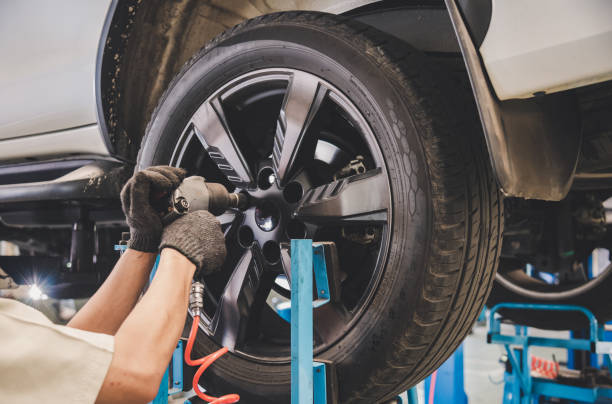
Your team needs a clear “go/no-go” rule to keep the service bays moving. While some local regulations allow tires to run down to 2/32″, safety experts recommend a 3/32-inch (2.4mm) standard. This extra margin drastically improves wet-weather grip and prevents hydroplaning. Moreover, adhering to a higher standard protects your shop’s reputation for safety and professionalism.
- Built-in Wear Bars: If the tread is flush with these indicators, the tire is finished and must be replaced.
- Visual Defects: Look for sidewall cuts, blisters, or dry rot. These indicate an imminent risk of failure that requires immediate attention.
- Direct Demonstration: Encourage your staff to use a tread gauge or the “penny test” right in front of the customer. When a customer sees the physical proof, they are much more likely to approve the service immediately.
How to Manage Rubber Expiration Standards
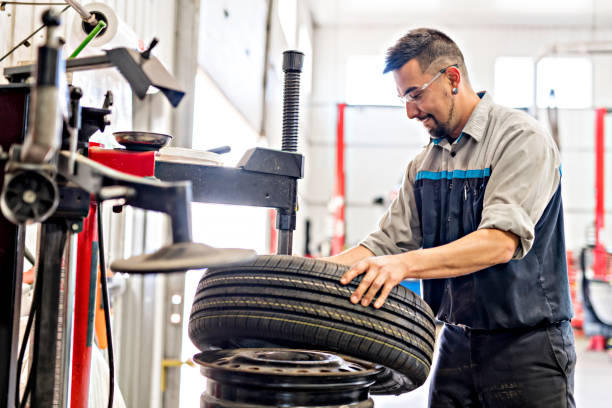
One of the most frequent questions in the bay is exactly how often should you change tires based on age. To manage this professionally, your shop must distinguish between “Serviceable Life” E “Absolute Expiration.”
The 6-Year Safety Redline
We recommend suggesting replacement at the 6-year mark. By this time, the internal chemical bonds in the rubber have weakened through oxidation. Even if the tread looks deep, the risk of structural failure increases, especially in high-heat environments. For your shop, this is about proactive safety and protecting your business from liability.
The 10-Year Absolute Dead-End
While some manufacturers suggest tires can last up to a decade, 10 years is the point of physical failure. At this age, the rubber is considered “dead” regardless of mileage. Your shop policy should be strict: never service or repair a tire that has hit the 10-year mark. It is a ticking time bomb that should only be replaced.
Technicians can find the exact manufacturing date by checking the last four digits of the DOT code on the sidewall. Per esempio, “1226” indicates the tire was produced in the 12th week of 2026.
Advanced Diagnostics for SUVs and EVs
A professional tire service requires a mechanical diagnosis rather than a simple swap. SUVs often show unique wear patterns because they carry heavier loads and have higher centers of gravity. Overinflation typically wears the center of the tire, while underinflation destroys the edges.
The replacement cycle is even shorter for shops servicing Electric Vehicles (EVs). Because EVs produce instant torque and are significantly heavier, their owners often need to replace tires much sooner—usually 20% faster than drivers of traditional cars. Technicians should perform a tactile “hand check” across the tread blocks during every visit to catch alignment issues or “cupping” before they cause a blowout.
Streamlining the Bay for 30-Minute Turnarounds
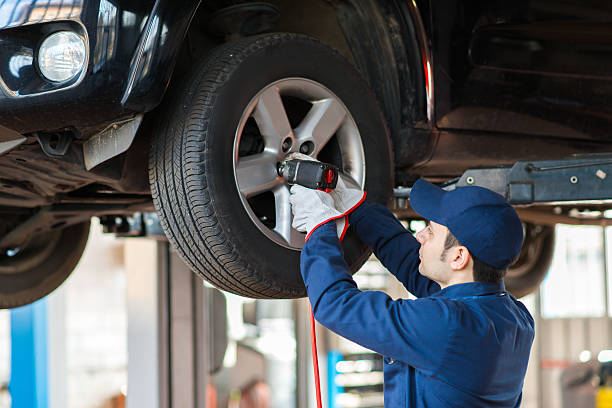
Shop profitability depends heavily on bay utilization. You can eliminate common bottlenecks by mapping out your shop’s workflow from the moment keys are dropped off. Your goal should be to compress the entire tire service into a 30 to 60-minute window.
Inoltre, establishing clear Standard Operating Procedures (SOPs) for rotations (every 5,000–8,000 miles) ensures that every technician works with the same precision. This consistency removes guesswork and prevents the costly “rework” that eats into your daily revenue.
Scale Your Business with Guorange Precision Equipment
Top-tier tire service doesn’t start and end with the changer. To protect your shop’s ROI, your team needs a reliable set of tools to handle every stage of the workflow. Guarancio equipment is designed specifically to help high-volume shops scale their operations efficiently:
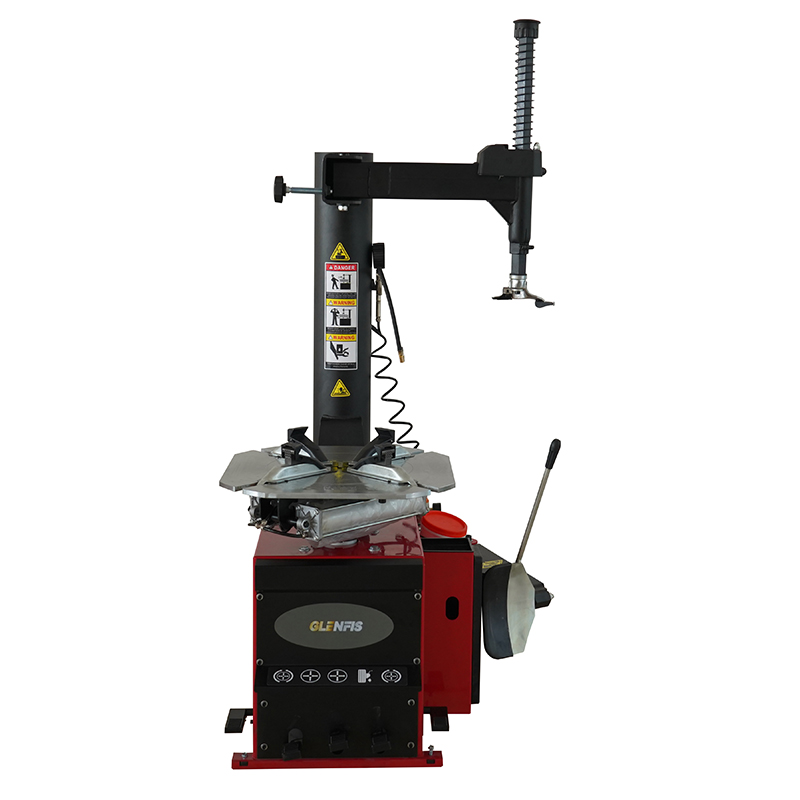
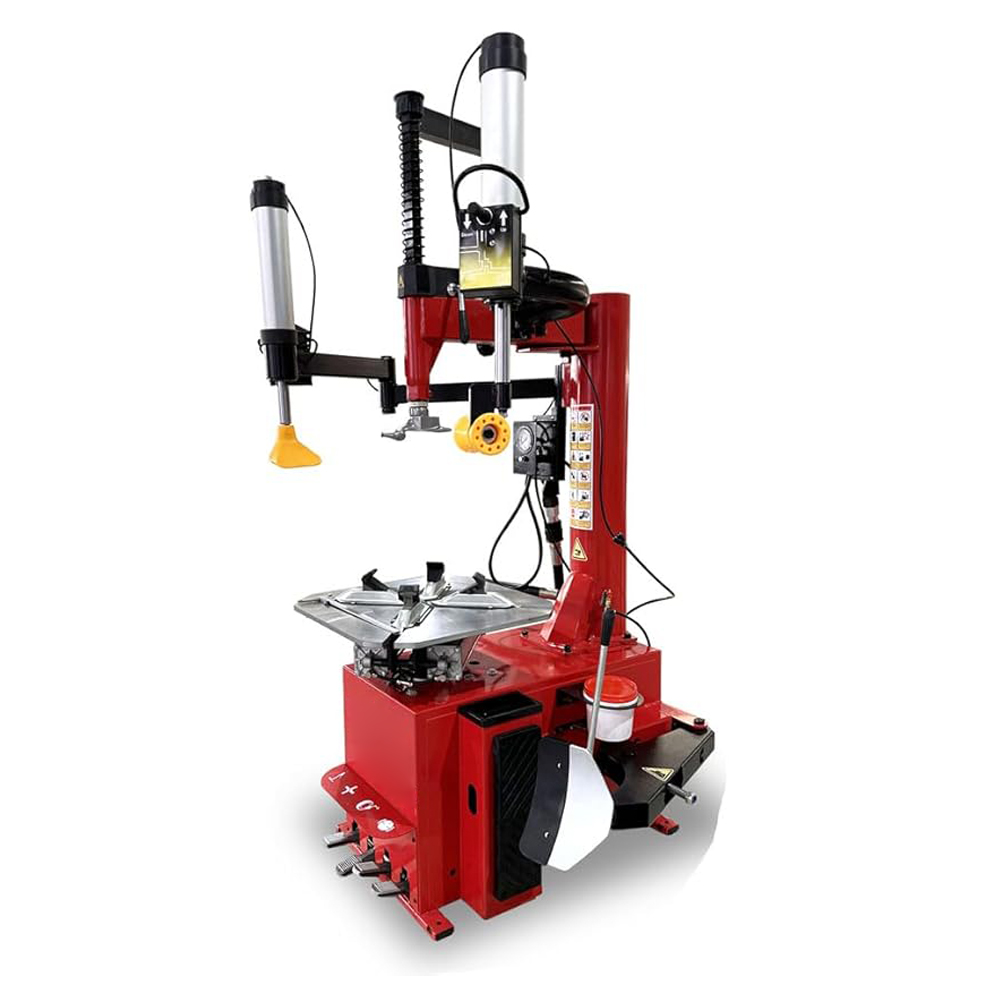
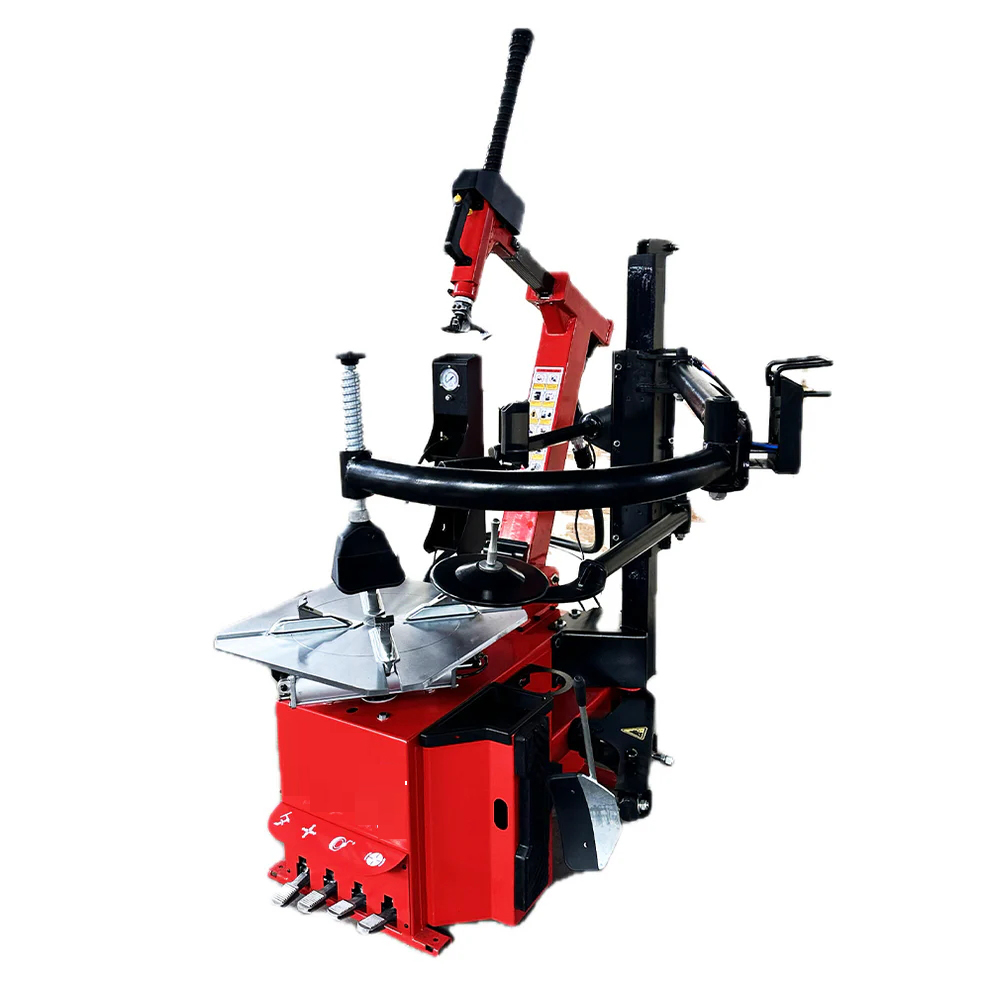
- Automatic Tire Changers (GF-T83 E GF-T85): These flagship models utilize Leverless technology and robotic helper arms to remove tires without traditional crowbars. This ensures zero scratches on expensive alloy rims, which is essential for maintaining customer trust and reducing the risk of damage.
- High-Precision Automatic Wheel Balancers: Featuring high-intelligence processing, these machines pinpoint imbalances in as little as 7 seconds. They ensure a perfect ride the first time and significantly cut down on balancing labor.
- Next-Gen Target-less 3D Wheel Aligners: Our flagship clamp-free 3D alignment systems use a 16-camera array to read data directly from the wheel. This eliminates setup time by 50% and generates professional, instant health reports that make it much easier for your service advisors to justify a sale.
Core Service Hardware
Explore the three high-performance tire changers engineered to anchor your shop’s efficiency and safety standards:
Secure Your 2026 Supply Chain Through Direct Sourcing
A professional shop is only as good as its inventory. Relying on middlemen can lead to empty shelves during seasonal tire-change peaks. By partnering directly with the Guorange factory, you bypass wholesale delays and secure priority production slots. This direct access ensures you have the right stock ready for your customers, even during global shipping disruptions or material shortages.
Considerazioni finali
Establishing a professional standard for how often should you change tires helps your shop shift from a reactive approach to a proactive management style. This strategy ensures your business consistently captures revenue that might otherwise be overlooked. By enforcing strict age-based policies and utilizing precision Guarancio equipment, you protect your shop from liability while significantly increasing your average repair order.
Ready to optimize your service center? Contact the Guorange team today. We will help you evaluate your current bay metrics and map out an equipment plan to keep your shop running at peak efficiency all year long.
Domande frequenti
How long should tires last on average?
Most tires serve for 3 A 5 years or 30,000 A 50,000 miles. Tuttavia, rubber ages regardless of the odometer. Professional shops should prioritize annual inspections once a tire hits the five-year mark to ensure driver safety.
Can tires last 60,000 miles?
Absolutely! Many high-quality touring tires are rated for 60,000 miles or more. The secret is consistent maintenance. Regular rotations, perfect alignment, and proper inflation are the only ways to reach these high-mileage milestones safely without premature wear.
Can a bad wheel alignment cause tires to expire early?
Definitely. Misalignment creates uneven friction and heat, which can strip away thousands of miles of tread in just a few months. Upselling a bi-annual alignment check ensures your customers’ investment lasts while keeping your high-margin alignment racks busy.
How does local climate affect the tire replacement cycle?
Extreme heat is a tire killer! It speeds up oxidation, making rubber brittle and prone to dry rot. In sun-drenched regions, tires might expire internally by year five, even with plenty of tread. Regular visual checks are non-negotiable.
What tire changer types should be used to change tires?
For high-volume shops, Automatic and Leverless changers are the gold standard. These machines, like our GF-T85, eliminate physical strain and metal-to-metal contact. They allow your team to handle tough low-profile and run-flat tires quickly without scratching expensive rims.


