
Modern driving goes far beyond steering, braking, and accelerating. Today’s vehicles are equipped with Advanced Driver Assistance Systems (ADAS), designed to support you with safety and awareness on the road. From helping prevent collisions to assisting with lane control and speed management, these smart technologies work in the background while you drive. But how do they actually work, and why are they becoming a standard feature in modern vehicles? Let’s take a closer look.
What Is ADAS and How Does It Work?
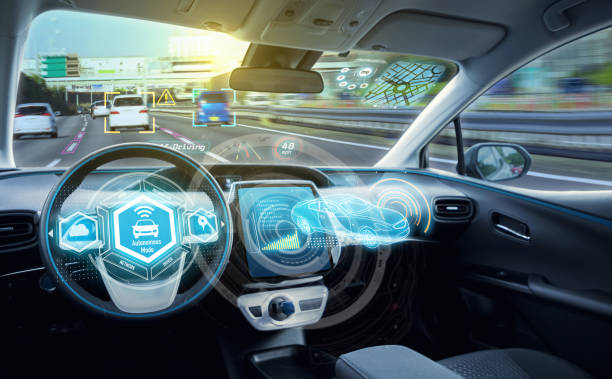
Defining Advanced Driver Assistance Systems
Advanced Driver Assistance Systems (ADAS) are built from a combination of in-vehicle sensors, control units, and intelligent software that work together to improve driving safety and reduce human error. Instead of replacing the driver, these systems support you during critical moments—especially when reaction time matters most.
Most modern ADAS platforms are built around a set of core safety features you’ll often see in today’s vehicles, such as:
- Automatic Emergency Braking (AEB): Helps you avoid or reduce the impact of sudden collisions.
- Adaptive Cruise Control (ACC): Automatically adjusts your speed to maintain a safe following distance.
- Blind Spot Detection: Alerts you when a vehicle is hidden in your side or rear blind zones.
- Lane Keeping Assist: Gently corrects steering when you begin drifting out of your lane.
Together, these functions typically support Level 2 or Level 2+ driving automation. That means the system can assist with steering, acceleration, and braking in specific situations—but you are still responsible for monitoring the road and staying in full control at all times.
How Sensors and Software Process Driving Data
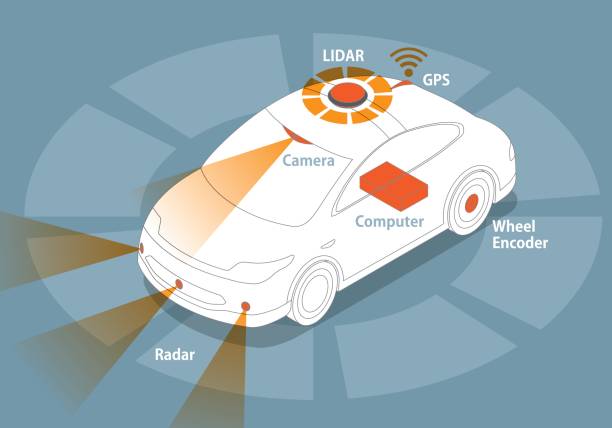
When you’re driving a vehicle equipped with ADAS, it is constantly “reading” the road through a network of cameras, radar units, ultrasonic sensors, and sometimes lidar. These components work together to build a real-time digital picture of your surroundings.
The system processes this information in a continuous four-step loop:
- Sensing the environment: Your vehicle scans the road ahead and around you, detecting cars, pedestrians, lane markings, and obstacles.
- Interpreting data: The onboard computer filters and analyzes raw sensor signals to understand what each object is and how it is moving.
- Making decisions: Based on the situation, the system evaluates risk levels and determines whether action is needed.
- Executing response: The vehicle carries out the appropriate action, such as warning you, adjusting speed, applying braking force, or assisting steering to keep you safely on course.
Depending on how urgent the situation is, ADAS can respond in different ways. You might receive a simple visual or audible alert, a subtle speed adjustment, or in critical moments, automatic braking or steering support designed to help prevent or reduce a collision.
Key Components of an ADAS System
Cameras and Visual Recognition
Cameras are one of the most important parts of an ADAS system. They help your vehicle “see” the road by capturing visual details such as lane markings, traffic signs, pedestrians, and other vehicles. When you’re driving, these cameras constantly feed images to the system, allowing it to recognize potential risks early and support decisions like lane keeping or emergency warnings in real time.
Radar and Distance Measurement
Radar sensors focus on measuring distance and speed between your vehicle and surrounding objects. Unlike cameras, they work well in poor visibility conditions such as rain, fog, or night driving. When you’re on the road, radar helps your car maintain safe following distances, especially in adaptive cruise control systems, and provides early alerts if a vehicle ahead slows down suddenly.
Ultrasonic Sensors for Close-Range Detection
Ultrasonic sensors are mainly used for short-range detection, especially during low-speed driving and parking. They help you avoid obstacles that may be difficult to see, such as curbs, poles, or nearby vehicles. When you’re parking or maneuvering in tight spaces, these sensors provide real-time feedback through alerts or distance warnings, helping you reduce the risk of minor collisions.
Central Control Unit and Software Processing
At the core of the ADAS system is the central control unit, which processes all incoming data from sensors and makes real-time decisions. When you’re driving, this system continuously evaluates your surroundings, predicts potential risks, and triggers appropriate responses. Whether it’s braking support, steering correction, or warning alerts, the software ensures all components work together smoothly and consistently.
Maximize Profit Margins With Premium Auto Equipment
Common ADAS Features in Modern Vehicles
| System Category | Core Features | Sensor Hardware |
|---|---|---|
| Forward-Facing Safety | FCW, AEB, ACC, LKA | Front Cameras, Forward Radar |
| Surround & Parking | Blind Spot, RCTA, Park Assist | Side/Rear Radar, Ultrasonic, 360° Cameras |
Forward-Facing Safety and Vision Systems
Forward-facing systems act as the primary eyes of the vehicle, managing high-speed safety and longitudinal control. These features rely heavily on optical clarity and precise geometric alignment to accurately read the road ahead.
- Forward Collision Warning (FCW) & Automatic Emergency Braking (AEB): Front-mounted cameras and radar detect obstacles, alert drivers, and automatically apply the brakes to prevent impacts.
- Adaptive Cruise Control (ACC): The system actively controls vehicle acceleration and braking to maintain a safe following distance on highways.
- Lane Departure Warning (LDW) & Lane Keeping Assist (LKA): The forward camera tracks lane markings and applies active steering input to keep the vehicle centered in its lane.
- Vision Enhancements: Traffic Sign Recognition and Automatic High Beams interpret speed limits and adjust lighting based on oncoming traffic data captured by front-facing cameras.
Surround Monitoring and Parking Assistance Systems
Low-speed maneuvering and lateral safety depend on a dense network of sensors monitoring the vehicle’s perimeter. These systems prevent sideswipes and parking lot collisions by mapping the immediate environment.
- Blind Spot Monitoring: Side-mounted radar units inside the rear bumpers detect vehicles in adjacent lanes and trigger mirror indicator alerts.
- Rear Cross-Traffic Alert (RCTA): Rear radar modules warn drivers of approaching vehicles from the sides while reversing and can trigger automatic braking.
- Parking Assistance: Ultrasonic sensors and 360-degree cameras map vehicle geometry to guide drivers safely into parallel or perpendicular parking spaces.
- Backup Cameras: Rear-facing cameras display the environment behind the vehicle, projecting trajectory lines tied directly to the steering angle to assist in reversing maneuvers.
Why ADAS Calibration Is Important
Ensures Sensor Accuracy
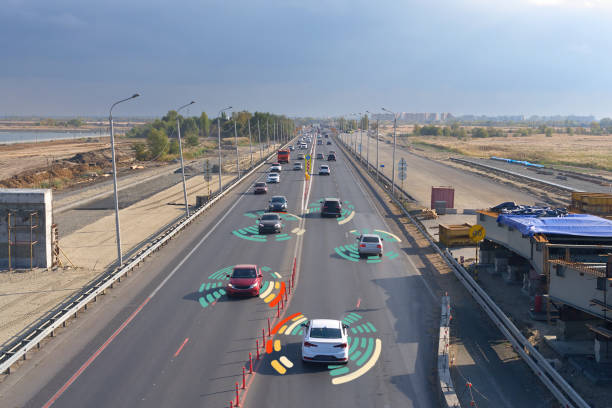
ADAS systems depend on highly precise sensor alignment to function correctly. After repairs, ホイールアライメント changes, or even windshield replacement, these sensors can easily shift out of position. When you’re driving, even a small calibration error may cause delayed warnings or incorrect object detection. Proper calibration ensures your vehicle’s cameras and radar deliver accurate real-time data so safety features respond exactly when needed.
Maintains System Reliability After Repairs
Any work involving suspension, tires, steering components, or body structure can affect how ADAS interprets driving conditions. If calibration is skipped, your system may “think” the road environment is different from reality. When you get back on the road, this mismatch can reduce the effectiveness of lane assist, braking support, or adaptive cruise control. Calibration restores system reliability so every feature performs as designed.
Reduces Safety Risks and False Alerts
Incorrect calibration can lead to two major problems: missed warnings or unnecessary alerts. Both situations can distract you or reduce trust in the system. 例えば, your vehicle might brake too late—or react when there is no real danger. By ensuring proper calibration, you reduce these risks and keep the system stable, predictable, and supportive during everyday driving.
When Is ADAS Calibration Required?
After Windshield Replacement
ADAS calibration is often required after a windshield replacement because many forward-facing cameras are mounted behind the glass. When you replace the windshield, even slight changes in camera angle or position can affect system accuracy. If you’re driving after this service without recalibration, features like lane-keeping assist or automatic emergency braking may not detect road conditions correctly or respond at the right time.
After Collision or Body Repairs
Any accident, even a minor one, can shift sensors or alter the vehicle’s structural alignment. When you get your car repaired, components like bumpers, radar units, or camera mounts may no longer be in their original position. In this case, calibration ensures your ADAS system “sees” the road correctly again, restoring proper function of safety features before you return to normal driving.
After Suspension or Wheel Alignment Work
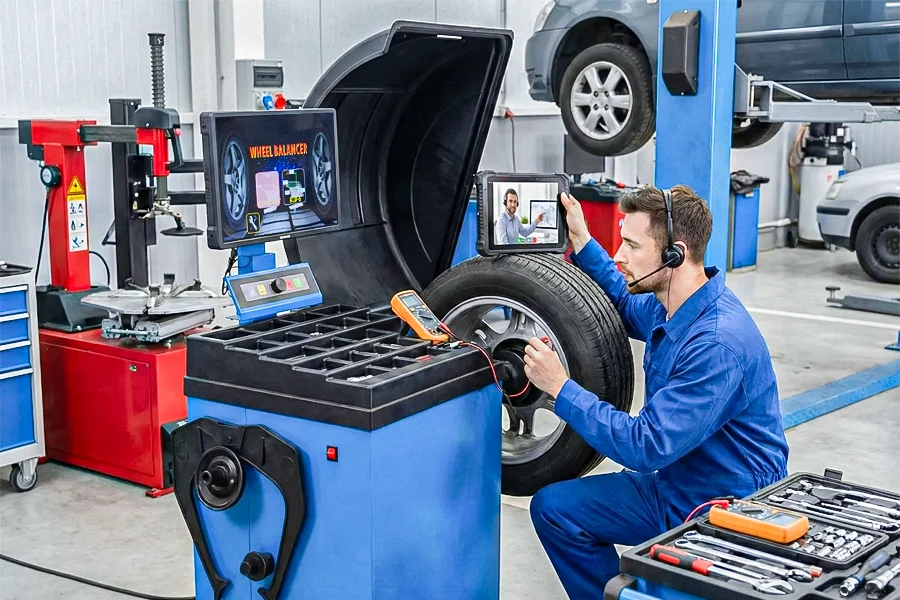
Changes to suspension parts, ride height, or wheel alignment can directly affect how ADAS interprets vehicle positioning on the road. When your vehicle geometry changes, systems like lane centering or adaptive cruise control may become less accurate. That’s why calibration is necessary after alignment or suspension repairs—to make sure the system’s reference points match your car’s updated driving posture.
When Warning Lights or System Errors Appear
If your dashboard shows ADAS-related warning lights or system error messages, it usually signals a calibration issue or sensor misalignment. When this happens, you may notice reduced functionality or features temporarily disabled. In such cases, calibration is needed to reset and synchronize the system. Once completed, your vehicle can correctly interpret sensor data and restore full safety performance.
よくある質問
How do I know if my ADAS needs recalibration?
You need to recalibrate your ADAS anytime a repair, impact, or modification alters the position or angle of a sensor. The most common triggers include windshield replacements, collision repairs, suspension adjustments, and wheel alignments. If you experience dashboard warning lights, false collision alerts, or erratic lane-keeping behavior, the system requires an immediate diagnostic scan and calibration.
Does changing tires affect ADAS sensors?
はい, changing tires directly affects ADAS sensors. Installing tires with a different size, profile, or replacing heavily worn tires alters the vehicle’s ride height and pitch. This physical shift changes the viewing angle of forward-facing cameras and radar units. You must check the wheel alignment and reset the steering angle sensor, which frequently triggers the need for a complete ADAS recalibration.
How long does ADAS calibration take?
A single-system ADAS calibration usually takes between 30 minutes and three hours. Static calibrations performed in a controlled bay take one to three hours, while dynamic on-road calibrations require 30 に 60 minutes of driving under specific conditions. If a vehicle requires multiple systems calibrated at once, the process will occupy several hours.
Can I drive without recalibrating ADAS?
While the vehicle will physically start and drive, operating it without a required ADAS recalibration is unsafe. Misaligned sensors misjudge distances and lane positions, which causes the vehicle to trigger false emergency braking or fail to warn you of an actual hazard. Skipping this mandated procedure violates manufacturer repair guidelines and places liability on the shop or owner in the event of a crash.
How much does ADAS calibration cost?
Independent repair shops typically charge between $250 そして $450 per system for ADAS calibration. Dealerships consistently charge more, often starting at $400 に $500 per system. The exact price depends on the vehicle make, the specific sensor being aligned, and whether the manufacturer requires a static bay setup, a dynamic road test, or a combination of both.
最終的な考え
Across modern vehicles, ADAS plays a central role in improving safety by combining sensors, cameras, and software to assist drivers in real time. From basic functions like lane keeping to advanced emergency braking, these systems rely on precise data processing. しかし, their performance depends heavily on correct calibration and regular maintenance after repairs or alignment work.
To ensure ADAS systems perform at their best, proper calibration tools and repair equipment are essential in any professional workshop. グオレンジ provides automotive service equipment designed for diagnostics, ホイールアライメント, and ADAS calibration in modern repair environments. With the right tools, technicians can improve accuracy and efficiency, ensuring vehicles return to safe performance. お問い合わせ for ADAS solutions today.


